Fresh wave of bomb threats hits European flights as BALPA explains airline response
A fresh wave of bomb threats has targeted European passenger flights today (6 November), following several days of disruption that saw around 30 flights across the continent affected by security alerts.
The latest incidents include a reported bomb threat against a Ryanair flight arriving in Lisbon, renewed police investigations at Copenhagen Airport and further threats involving aircraft operating through Prague Airport.
The developments follow a major security alert on 5 November, when multiple airlines operating across Europe were targeted by bomb threats that ultimately proved to be hoaxes. Several of the flights involved had departed from UK airports.
As authorities continue investigating the incidents, the British Airline Pilots’ Association (BALPA) has outlined the procedures airlines follow when a bomb threat is assessed as credible.
UK pilots’ union explains how airlines respond to bomb threats
BALPA released a statement following Thursday’s incidents, outlining the procedures airlines follow when a bomb threat is received.
Joji Waites, BALPA Director of Flight Safety, Policy and Regulation, said: “Aviation has historically been a target for bomb threats but the industry has well proved mechanisms for dealing with such threats.
“When a threat to an aircraft has been notified to the airline the threat is passed to a team of assessors. These assessors use standard processes to grade the threat and decide whether the threat is Red (credible), Amber (partially credible) or Green (not credible). Amber is not considered an appropriate assessment if the plane is airborne.
“If the threat is assessed as not credible staff on the plane will not be informed of it.
“However, when a threat is assessed as credible (red or amber) the flight crew will be informed immediately and they will carry out company procedures for a credible bomb threat.
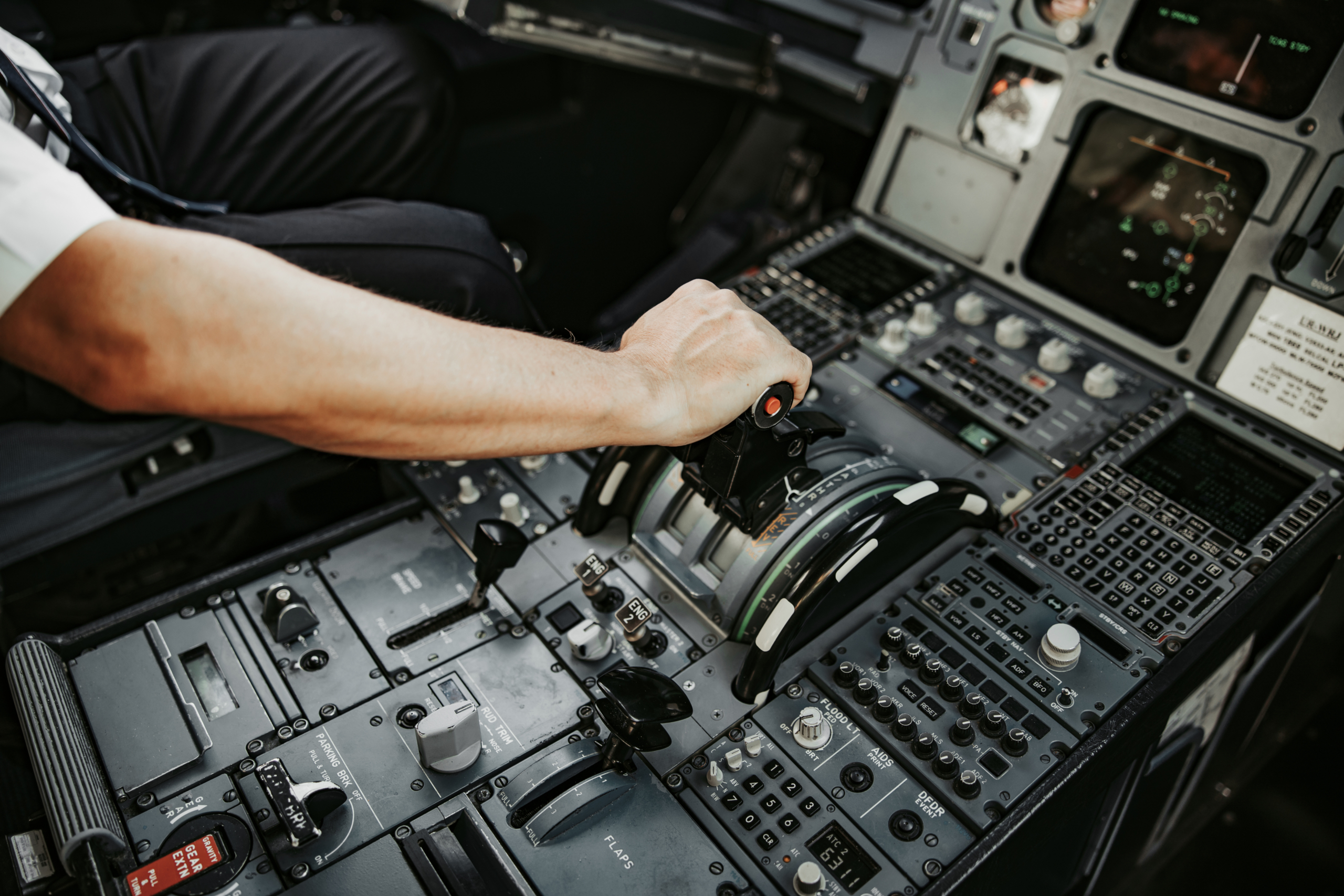
“From the moment the flight crew is notified of a credible bomb threat, commander of the aircraft – the captain – is in command and will make all the decisions, guided by the appropriate checklist, for the safety of their aircraft. Usually if a plane is still on the tarmac that will mean an evacuation, and if it is in the air the priority will be to land the plane as soon and as safely as possible.”
Ryanair flight from Rome subject to bomb threat at Lisbon Airport
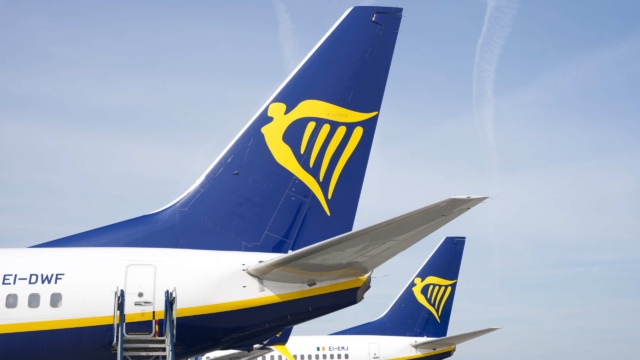
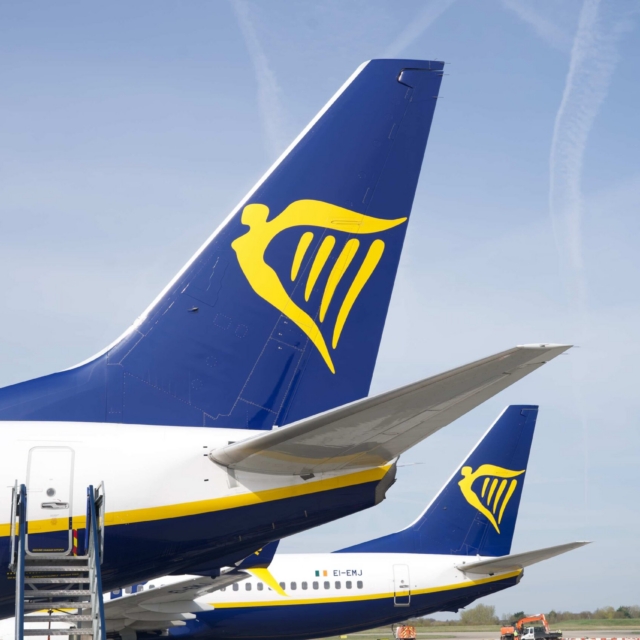
A Ryanair flight arriving at Lisbon’s Humberto Delgado Airport from Rome was reportedly the subject of a bomb threat on Friday morning.
Portuguese media reported that Portugal’s Public Security Police (PSP) received an alert about a possible explosive device on board the aircraft.
According to local reports, the warning was received through a phone call from a law enforcement officer rather than by email, which differs from several of Thursday’s incidents. The aircraft landed in Lisbon on Friday morning.
Nearly 30 flights disrupted across Europe
The latest alerts come after extensive disruption on 5 November, when almost 30 passenger flights across Europe were reportedly targeted by bomb threats.
Airlines affected included Ryanair, Aer Lingus, Finnair, Wizz Air, LOT Polish Airlines and Aegean Airlines.
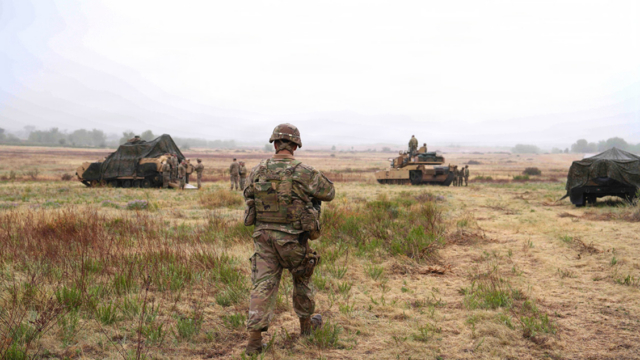
Several aircraft were diverted as a result of the alerts, while military fighter jets were deployed to escort passenger flights.
All of the threats investigated on Thursday were ultimately found to be hoaxes. However, authorities across Europe continue to investigate the incidents and have not yet determined whether the threats are linked.
Sign up for our newsletter and get our latest content in your inbox.
Similar Reads



Sign up for our newsletter. Select all sectors relevant to you.
Related