

From prototypes to production: UK drones face a standardisation test


The UK is preparing to spend billions of pounds on drones and autonomous systems, but the proliferation of bespoke motors, controllers and power systems could make those aircraft increasingly difficult to manufacture, maintain and deploy at scale.
Nick Grewal, founder, chairman and CEO of propulsion specialist ePropelled, believes the sector is approaching a point at which defence customers will demand fewer component types and greater standardisation across their uncrewed fleets.
“There are probably at least 1,000 different motor SKUs because every company designs its own,” Grewal told ADS Advance. “This is what happens in every industry. When the automobile industry began, there were 1,000 car companies. Eventually, the market narrowed.”
That consolidation has yet to happen in the drone sector. Manufacturers are continuing to develop aircraft around different combinations of motors, batteries, electronic speed controllers, generators and software, often optimised for a single platform or mission.
This diversity has supported rapid innovation, particularly as operational experience from Ukraine has driven short development cycles and constant changes to drone designs. It also presents a growing logistical problem as governments move from buying relatively small numbers of systems to contemplating fleets numbering in the thousands.
For military customers, the question is no longer only how an individual drone performs. Components must also be manufactured in volume, stocked, replaced in the field and supported across a fleet that may contain aircraft from numerous suppliers.
“The MoD can say: ‘I don’t want to store 1,000 different motors for drones in the field because I don’t want to deal with that,’” Grewal said. “It can define three categories of drone and specify the motors it wants for each.”
Standardisation could unlock drone scale
The UK’s Defence Investment Plan includes £5 billion for drones and autonomous systems, reflecting the government’s intention to introduce uncrewed technology across the armed forces.
Turning that funding into an industrial capability will require decisions about more than which complete aircraft the military wants to buy. Government and industry must also determine where common components, interfaces and software can be adopted without freezing innovation or preventing smaller companies from entering the market.
Too little standardisation could leave the Armed Forces managing an unwieldy assortment of incompatible systems and spares. Imposing rigid specifications too early, however, could lock the UK into technologies that are rapidly overtaken.
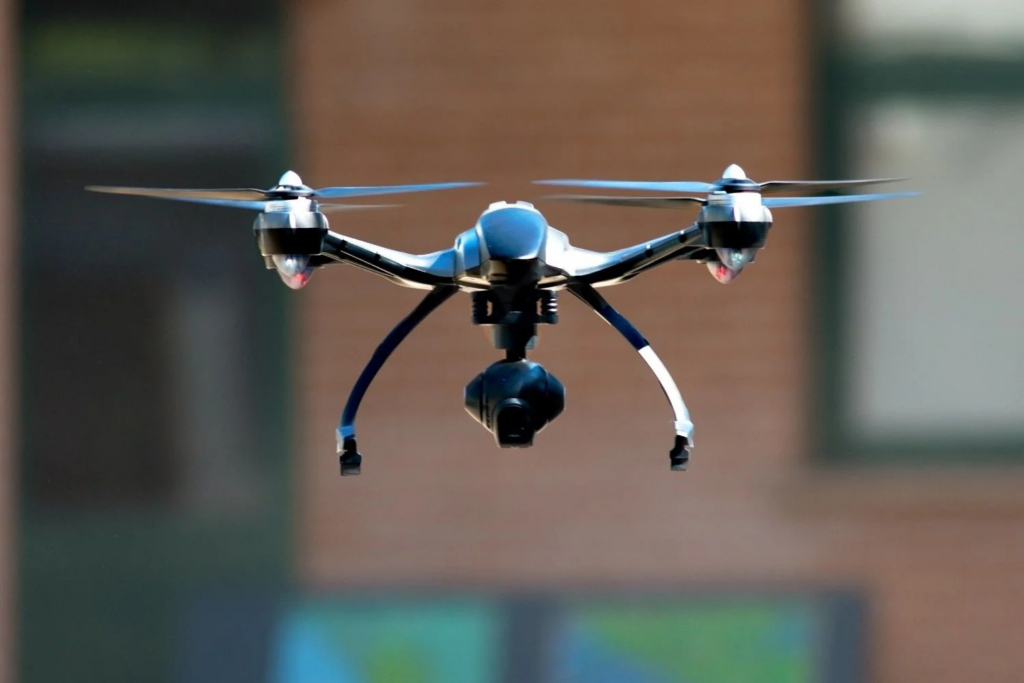
Grewal believes the answer is for the Ministry of Defence to provide clearer signals about the performance classes, architectures and supply-chain capabilities it expects to need, allowing companies to invest against a more credible picture of future demand.
“If you want sovereign supply, you have to give industry some form of specification and say, ‘This is what we want,’” he said. “I think the US is doing a better job of specifying its requirements at the moment.
“These are signals to industry. If there are no signals, nobody really knows what they should be doing, and everybody is left trying to predict what the government will decide.”
Common specifications would not necessarily mean selecting one motor or propulsion supplier for every UK drone. They could instead establish agreed interfaces, power ranges and performance requirements, allowing components from different manufacturers to be integrated or substituted more easily.
That could make it simpler for the MoD to replace damaged parts, manage obsolescence and bring alternative suppliers into its programmes. It could also help manufacturers move successful demonstrators into production without redesigning the entire propulsion system for each customer.
UK drone investment needs an industrial pathway
The UK has placed increasing emphasis on rapidly acquiring autonomous systems and drawing more technology from smaller and non-traditional defence companies. Yet businesses still need confidence that trials and demonstrations can lead to repeat orders.
Grewal argued that creating a sovereign drone industry will require more than announcing a large overall investment figure.
“It isn’t only about money,” he said. “Progress also depends on giving the right signals about standardisation and the types of capability the UK intends to pursue.”
The £5 billion commitment indicates the potential scale of demand, but it does not by itself tell component manufacturers which products they should develop, what volumes could be required or when procurement will begin.
“The big companies are always going to receive the lion’s share,” Grewal said. “Hopefully, they recognise that they cannot do everything themselves. You have to build the whole infrastructure and create an ecosystem. It isn’t possible for one company to do everything.”
That ecosystem extends below the visible airframe manufacturers to include batteries, motors, controllers, generators, sensors, software and specialist materials. Without sufficient domestic depth in those areas, a drone may carry a UK name while remaining dependent on imported components that could become unavailable during a crisis.
From individual components to complete systems
Established in 2018, ePropelled develops electric and hybrid propulsion technology for uncrewed vehicles operating in the air, on land and at sea.
The company employs approximately 150 people globally, including around 45 at its Coventry operation, which Grewal said has doubled in size during 2026. Its customer base has grown to 163 organisations worldwide, while Grewal expects annual revenue to exceed £40 million this year.
Rather than supplying an individual motor or controller, ePropelled wants to provide complete, tested propulsion and energy-management systems.
“A customer might buy a motor from one company, a speed controller from another and a generator from somebody else,” Grewal explained. “The customer then has to integrate those components and make the complete system work.
“When something goes wrong, one supplier says, ‘It isn’t my problem; it’s the other component.’ If you can tell the customer, ‘We will test the complete system from end to end,’ that is attractive to them.”
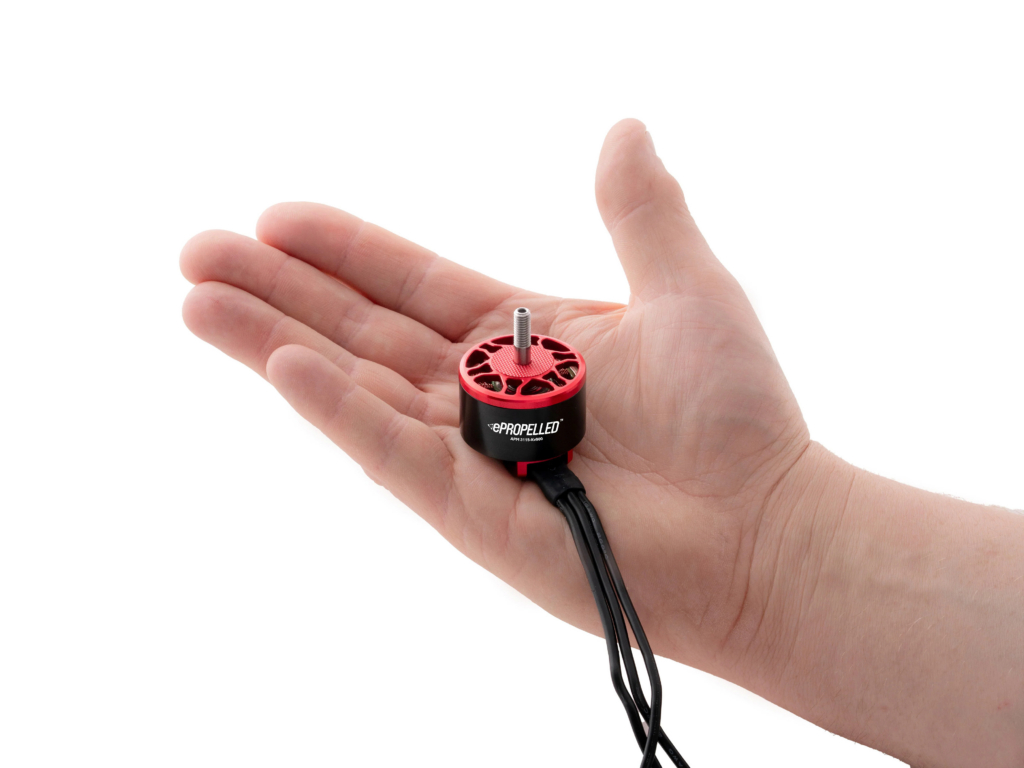
The company’s eP Unified Architecture connects propulsion hardware with software that records currents, voltages, temperatures and other performance data.
Operators can use that information to identify deteriorating components, manage the distribution of power across an aircraft or assess whether it has sufficient energy to complete a mission and return safely.
“If I had to describe what we do in one phrase, I would say that we manage power,” Grewal said. “We are trying to build an operating system for power that can be used by any unmanned system.”
Testing drones before building them
ePropelled has also developed a simulation platform that allows engineers to evaluate different combinations of motors, batteries and other components before committing to a physical prototype.
“A company can say, ‘I want to build a 10-inch drone,’ design it in CAD and upload that design into the simulator,” Grewal said. “It can test different motors and see how the aircraft will behave, how long the battery will last, how much payload it can carry and what performance it will deliver.”
Once a physical aircraft has been built and flown, data from the test programme can be fed back into the model to establish how closely the simulation reflects real-world performance.
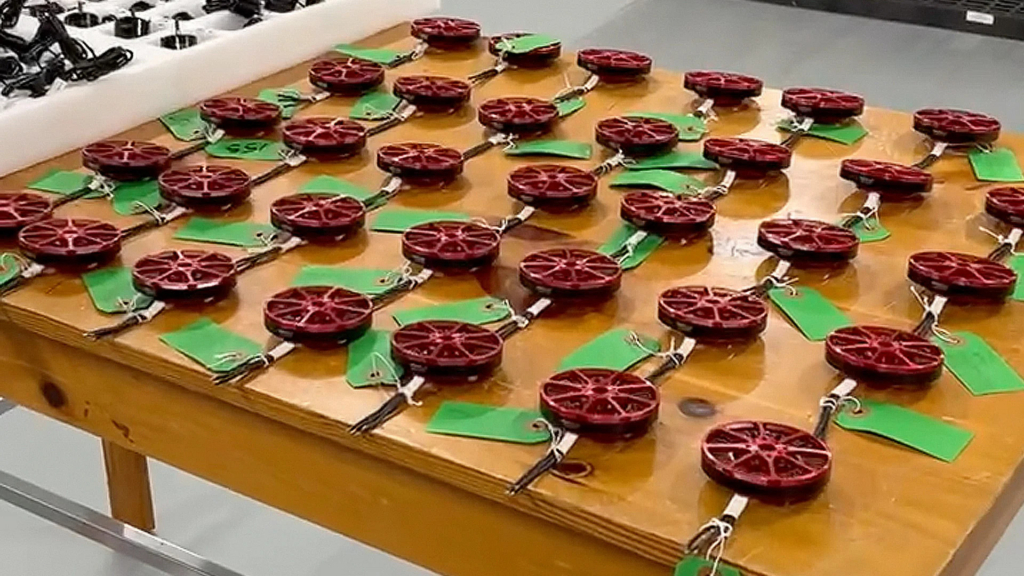
“You can compare the flight data with the simulation,” Grewal said. “It is a much more scientific way of designing an unmanned system than saying, ‘Let me try this motor. That didn’t work, so I’ll fit another one.’
“It saves equipment, shortens the design process and reduces time to market.”
That approach could become increasingly important as customers demand both rapid development and greater assurance that a drone’s propulsion system will perform reliably under operational conditions.
Grewal expects defence demand to continue accelerating the sector in the near term. Over time, however, he believes commercial applications including emergency response, agriculture, infrastructure inspection and heavy lifting could create a still larger market.
The challenge for the UK is to preserve the experimentation that has allowed drone companies to move quickly while building the common industrial foundations needed for volume production.
“This is just the beginning,” Grewal said. “The opportunities are huge.”
Sign up for our newsletter and get our latest content in your inbox.
Similar Reads