British Army LMV competition: What happens next as vehicle trials approach


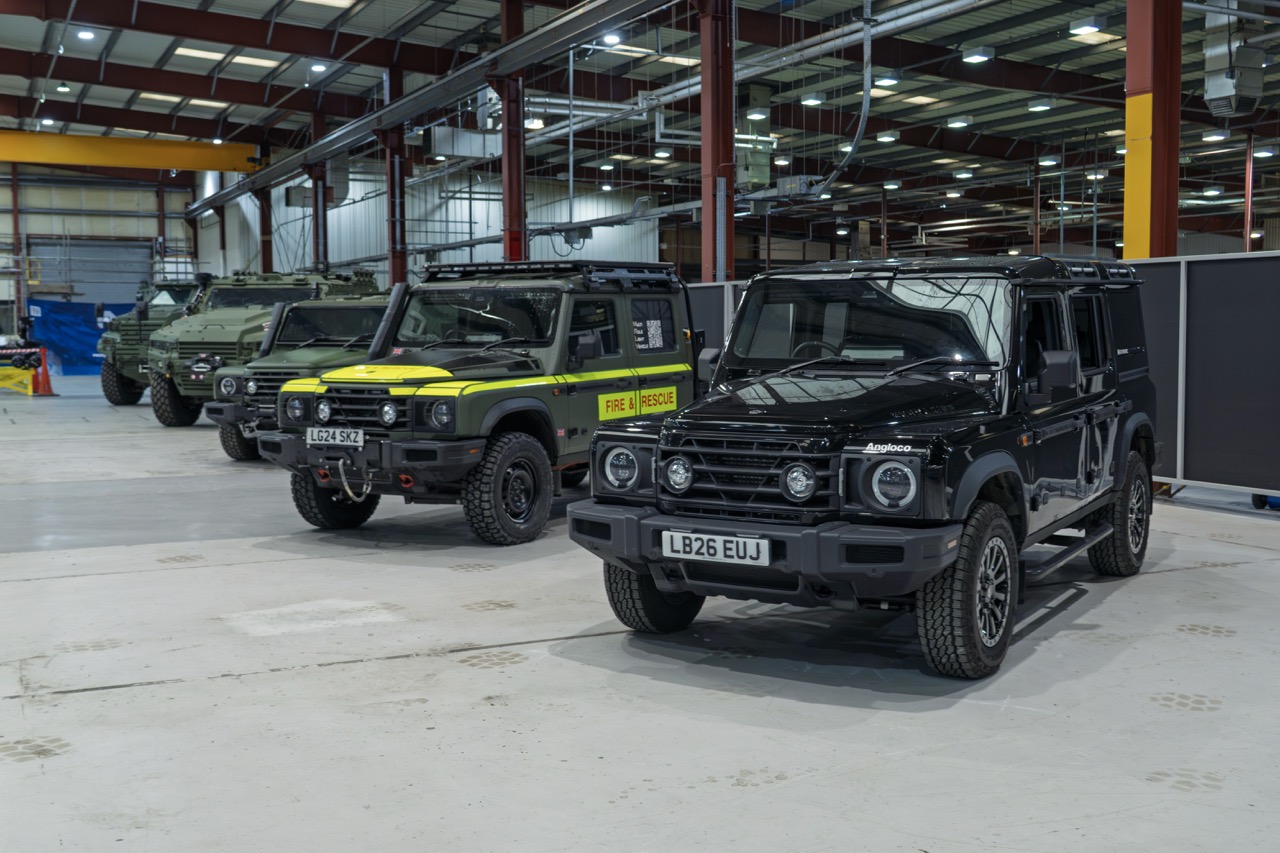
The British Army’s long-running Light Mobility Vehicle (LMV) competition – which aims to replace the force’s ageing Land Rover and Pinzgauer fleets – is entering a critical phase, with seven industry teams now progressing towards operational vehicle trials.
The UK Ministry of Defence (MOD) notified the successful bidders at the beginning of October, following the formal start of the LMV competition on 31 July 2026. The seven teams are: Team LionStrike; Ford, General Dynamics Land Systems UK (GDLS-UK) and Ricardo; Team Grenadier; Team Wolf; Babcock and Supacat; Jaguar Land Rover and Iturri.
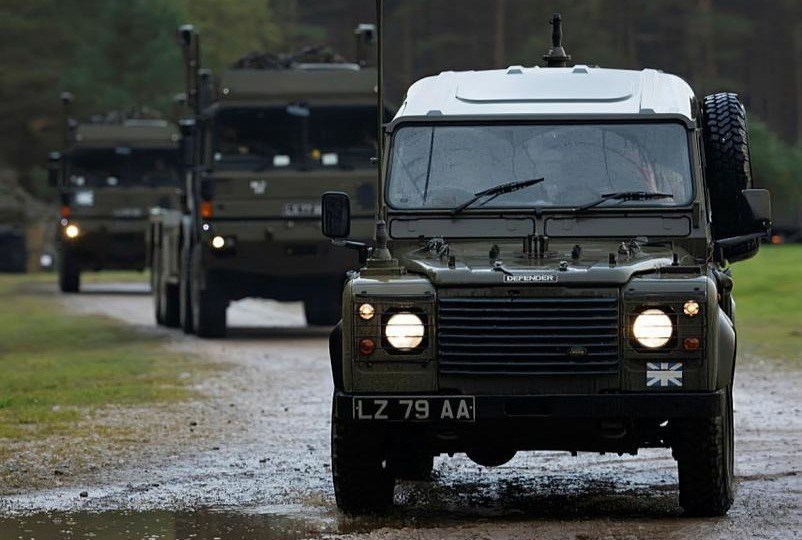
This down-selection does not, however, mean that the Army has chosen its preferred vehicle or that contracts are about to be signed.
Instead, the programme is now moving into a demanding assessment and trials phase to establish which contenders can meet the service’s operational requirements across the nine specific vehicle variants that make up the LMV tender.
What is the British Army Light Mobility Vehicle (LMV) programme?
The Light Mobility Vehicle (LMV) programme is one of the British Army’s largest land vehicle procurements in decades, intended to replace ageing Land Rover and Pinzgauer fleets with a family of modern tactical vehicles capable of supporting multiple battlefield and support roles.
British Army LMV trials: What vehicles will bidders need to provide?
The immediate challenge for the seven remaining contenders will be to provide three representative vehicles: a General Purpose Vehicle (GPV), a Tactical Mobility Vehicle (TMV) and a Battlefield Ambulance (BFA).
The UK MOD is expected to give competitors three weeks’ notice of the delivery deadline, with the earliest anticipated date for that notification being 19 October. All seven teams will then have to deliver their three vehicles before they can proceed into competitive trials. According to some reports, industry sources have indicated that this requirement could itself reduce the seven-team shortlist even further.
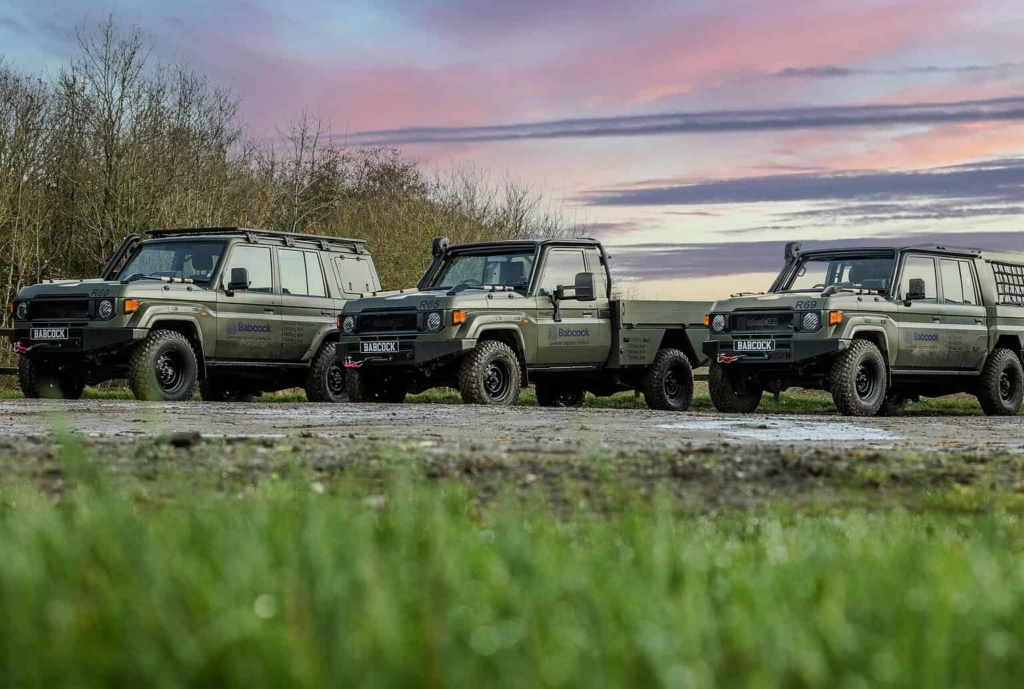
Most of the contenders have already revealed how they intend to approach the LMV requirement. Babcock and Supacat are offering their conceptual General Logistics Vehicle (GLV) family, which is based on the Toyota Land Cruiser 70 Series, while Ford, GDLS-UK and Ricardo are proposing a scalable family of common military derivatives based on the Ford Ranger and Ranger Super Duty commercial pick-ups.
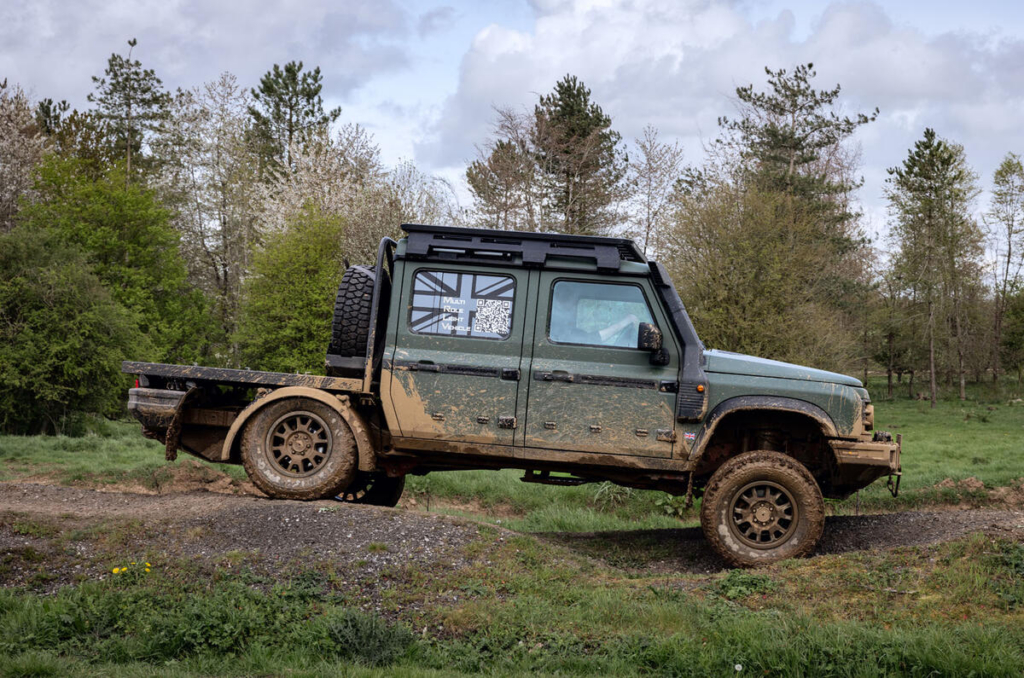
Meanwhile, Team Grenadier – led by Ineos Automotive alongside NMS UK and SMT Defence – is using the Ineos Grenadier-based Multi-Role Light Vehicle (MRLV) as a common platform, with the consortium intending to use the vehicle across all nine LMV variants. The team had already unveiled an Enhanced Protection Vehicle (EPV) configuration of the Grenadier as part of its LMV development.
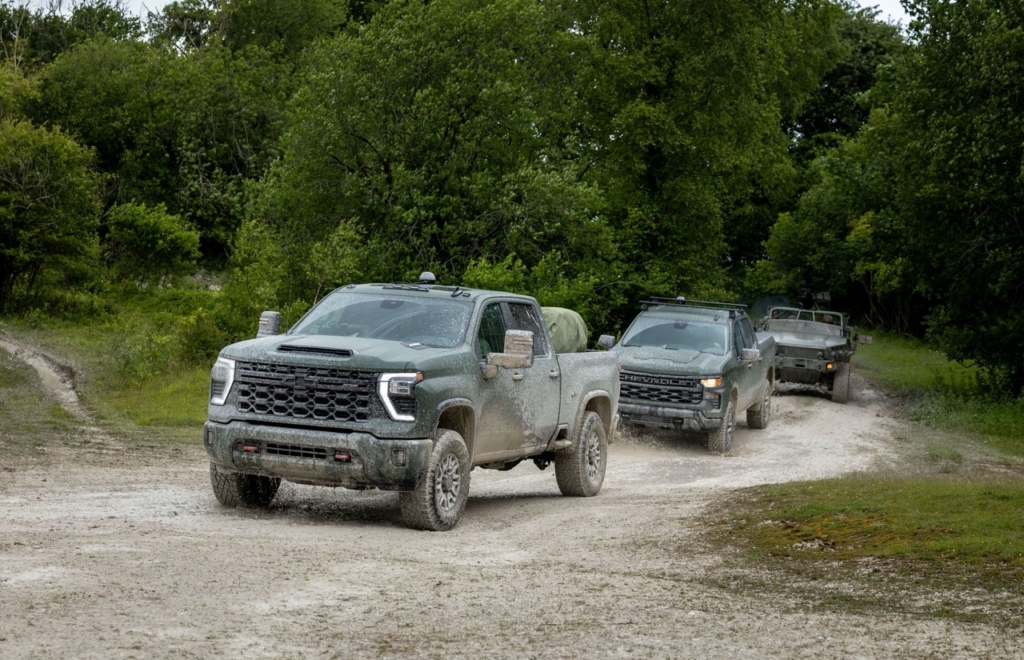
Team LionStrike – comprising GM Defense, BAE Systems and NP Aerospace – is taking a more multi-platform approach, with its bid centred on vehicles derived from GM Defense’s Infantry Squad Vehicle (ISV) and Chevrolet Silverado family. The team has added the Silverado Heavy Duty (HD) to its offering, alongside the ISV variant and Silverado Light Duty (LD), giving it a range of payload and mobility options rather than relying on a single overall vehicle architecture.
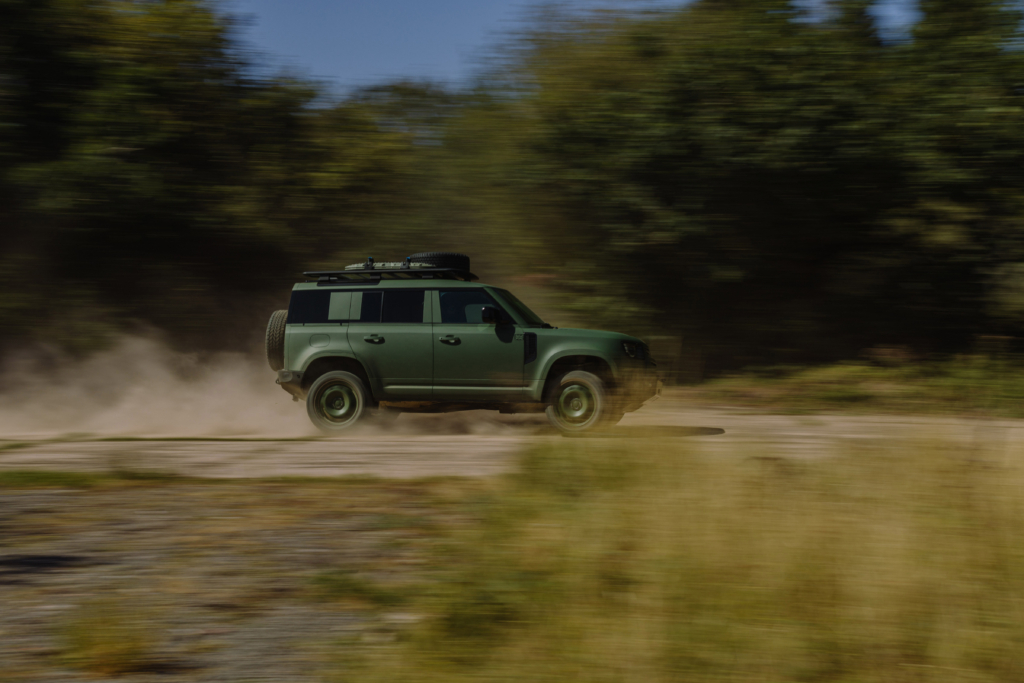
Jaguar Land Rover is offering a range based on its Defender Wolf Series II – the latest development of its long-established military Defender concept.
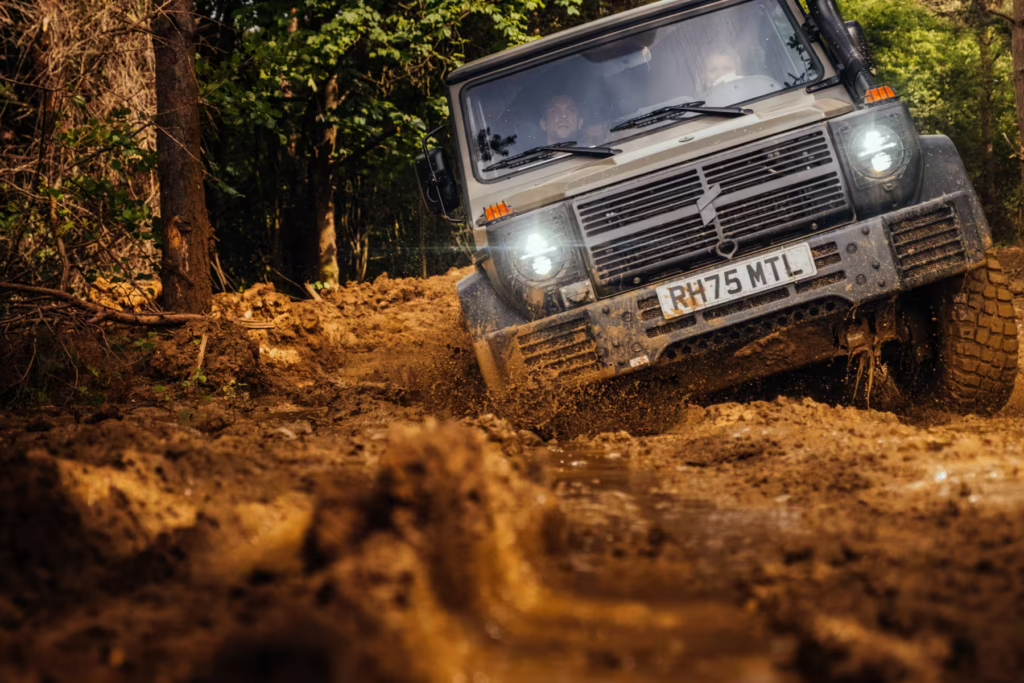
Meanwhile, Team Wolf – comprising Rheinmetall UK and Mercedes-Benz UK – is offering a family of common vehicles based on the Mercedes-Benz G-Class/BR464 platform, with its Shadow Wolf, Silver Wolf and Timber Wolf vehicles designed to cover a variety of different tactical and support roles.
Less is currently known about the seventh contender, Iturri. Recent reports indicate that the Spanish specialist vehicle manufacturer’s bid could be based on the Landtrek VMTT tactical vehicle, which is derived from the Chinese-made Changan F70 pick-up and already in service with the Spanish Army, although this has yet to be confirmed.
The variety of approaches displayed reflects the UK MOD’s relatively open requirement. Rather than mandating a particular vehicle type, the competition is testing whether commercially derived platforms, military-specific derivatives and families of common vehicle types can provide the required capability at scale.
The trials – which are expected to begin in late-October – will therefore provide an important opportunity for the Army to compare not only individual vehicle performance, but also how convincingly each bidder can translate its proposed platform or vehicle family into the broader LMV requirement.
How the British Army LMV programme will replace Land Rover and Pinzgauer fleets
The upcoming trials will be particularly important because LMV is far broader than simply finding a modern replacement for the Land Rover and Pinzgauer.
The MOD has specified nine roles within its LMV requirement that can be conducted around a common base platform: GPV, BFA, TMV, Utility Vehicle (UV), EPV, Command and Control Vehicle (C2V), Equipment Support Vehicle (ESV), Troop Carrying Vehicle (TCV) and Mission Systems Vehicle (MSV).
The eventual winner of the LMV programme will therefore need to demonstrate not only mobility, reliability and protection, but also the flexibility to support a wide range of military roles while providing an affordable and sustainable fleet.
Industrial considerations are also likely to remain significant. Babcock and Supacat have committed to a sovereign capability backed by a British supply chain, while Ford, GDLS-UK and Ricardo are using established UK engineering, manufacturing and integration facilities.
Meanwhile, Team Wolf says its solution could include up to 50% of UK-made content in its offering, and has designated Rheinmetall UK’s facility in Telford as its Vehicle Integration Centre.
When will the British Army choose a winner in the LMV competition?
The timetable now points towards another major decision in early 2027. Following the competitive trials, the UK MOD is expected to conduct a final down-selection before awarding an initial rollout contract to the winning candidate. This process could potentially take place as early as Spring 2027, although the MOD has not publicly confirmed a final award date.
The UK government has previously confirmed plans to deliver its LMV solution by 2030. The £2-2.5bn programme forms part of the MOD’s wider 20-year Land Mobility Programme (LMP), which is intended to deliver more than 13,000 tactical vehicles to the British Army across several sub-programmes as the UK moves to replace its ageing legacy platforms. This programme is expected to cost approximately £4bn.
For the seven remaining teams in the LMV competition, however, the coming months will be decisive. The competition has moved beyond displaying candidate vehicles and outlining industrial strategies.
The contenders must now put vehicles in front of the MOD and demonstrate that their proposed solutions can deliver the capability, commonality and supportability required to become the new backbone of the British Army’s next-generation LMV fleet.
Sign up for our newsletter and get our latest content in your inbox.
Similar Reads

Sign up for our newsletter. Select all sectors relevant to you.
Related