Why don’t rockets launch from the UK?

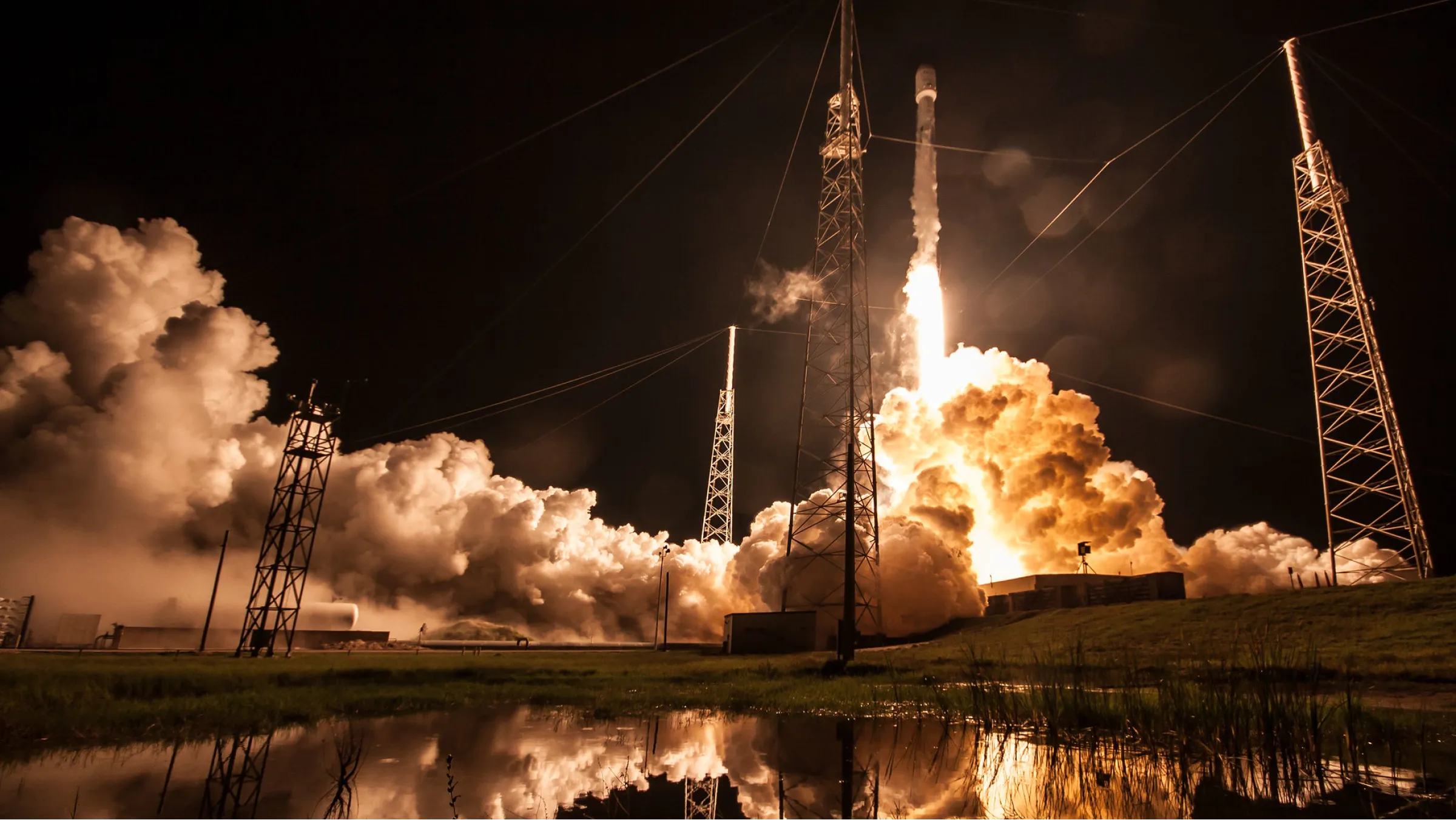
Britain builds satellites, develops cutting-edge space technology and was responsible for launching its own satellite into orbit more than half a century ago. Yet despite its ambitions to become a launch nation, the UK still has no operational orbital launch capability.
So why do most British satellites usually have to leave the country before they can reach orbit?
The lack of rocket launches from the United Kingdom
At the start of the Cold War, the United Kingdom was rapidly falling behind the United States and the Soviet Union, but it remained one of the top powers and has always maintained its own space programme. And yet, the British Isles have rarely seen space launches.
In the 1960s and early 1970s, the UK developed its own rocket – the Black Arrow – and successfully launched a satellite (Prospero). But that launch was conducted in Australia in 1971, not the UK.
The programme was cancelled in July 1971, before Prospero’s launch in October of that same year.
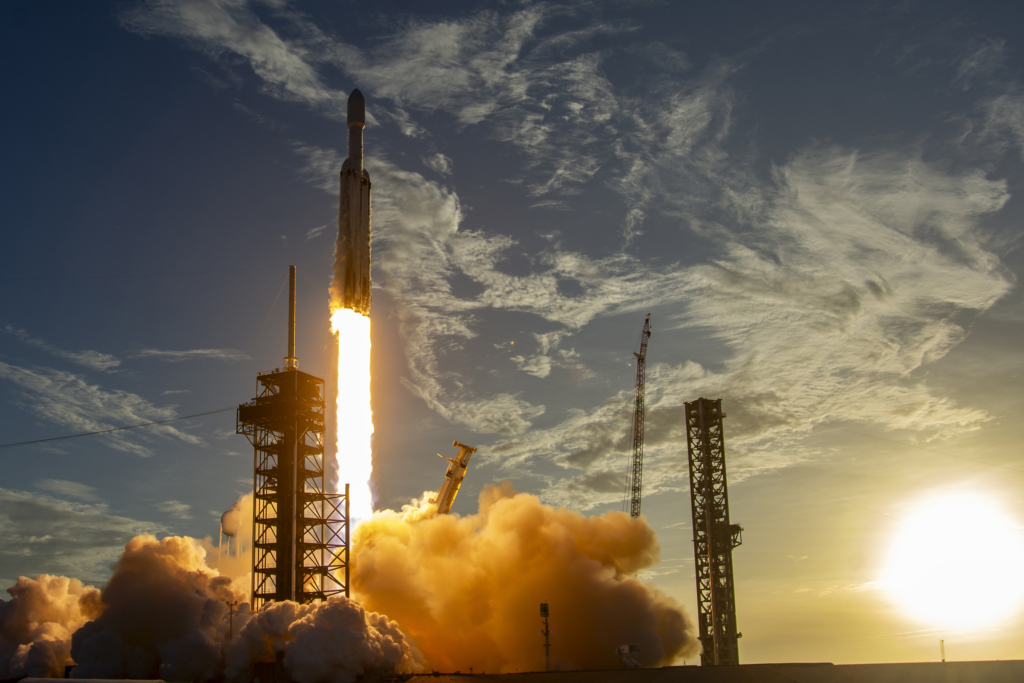
The government decided that purchasing launch services from overseas providers would be more economical. The UK subsequently went more than five decades without attempting an orbital launch from its own territory.
Even countries like New Zealand vastly outperform the United Kingdom in this particular category. As of November 2026, New Zealand has seen 86 launches (82 successful) from Rocket Lab’s Launch Complex 1 since 2017.
Why launching rockets from the UK is challenging
One of the biggest issues for the UK is geography, although this is nuanced. Scotland has some geographical advantages, but the UK is poorly positioned for some orbital destinations, particularly low-inclination and equatorial orbits. However, it is well placed for polar and sun-synchronous missions.
One of the issues is that, for a conventional eastward launch, a rocket taking off from southern England would soon cross over continental Europe. Rockets can’t safely overfly densely populated areas during ascent, and their falling stages and debris need extensive safety corridors.
Launch trajectories must meet stringent safety and regulatory requirements and generally avoid placing populated areas at risk.
France is able to avoid this by launching from French Guiana in South America, where debris can fall in the Atlantic.
Another issue is Britain’s weather. Low clouds and poor visibility are complications, as are the frequent strong winds in Northern Scotland and the Shetland Islands.
The airspace in the United Kingdom is congested with air traffic, with multiple busy maritime routes adding further complication. A launch needs to coordinate with commercial aircraft, merchant shipping, and others.
The Shetland Islands are well suited to some types of launches
It’s more complicated than just saying the UK has a space-launch geography problem; latitude is important and can work in the UK’s favour. Shetland’s SaxaVord Spaceport is located at a latitude of 60.82°N.
Latitude fundamentally shapes its efficiency, orbital capabilities, and infrastructure advantages, and its high-latitude geography provides key commercial benefits for small-satellite launches.
Major milestone achieved: #HyImpulse has received its 𝗨𝗞 𝗟𝗮𝘂𝗻𝗰𝗵 𝗢𝗽𝗲𝗿𝗮𝘁𝗼𝗿 𝗟𝗶𝗰𝗲𝗻𝗰𝗲 from the Civil Aviation Authority, becoming a licensed launch operator in the United Kingdom. The licence enables future launch operations from SaxaVord Spaceport and marks the completion of a comprehensive regulatory review process. SR75 is ready for flight, and we are now working with the @UK_CAA and @SaxaVord_Space on the final operational activities ahead of our 𝗳𝗶𝗿𝘀𝘁 𝗦𝗥𝟳𝟱 𝗹𝗮𝘂𝗻𝗰𝗵 𝗳𝗿𝗼𝗺 𝗘𝘂𝗿𝗼𝗽𝗲𝗮𝗻 𝘀𝗼𝗶𝗹, planned for spring 2027. Read the full press release: https://t.co/DbDPBamnsU
— HyImpulse Technologies (@HyImpulseTech) October 1, 2026
SaxaVord is well suited to Earth-observation satellites, which frequently use polar and sun-synchronous orbits.
The spaceport’s website states, “Our purpose is to support the launch of small satellites into polar and sun-synchronous orbits.” It also notes it has the capacity for 60% of orbital launches from the continent.
Recent failed attempts to make the UK a rocket-launch country
In 2023, Virgin Orbit attempted to launch its LauncherOne rocket from the UK via a modified Boeing 747 called Cosmic Girl. However, the rocket “experienced an anomaly” just before it could deliver its payload and was lost.
At the time, Melissa Thorpe, head of Spaceport Cornwall, said, “Yes, space is hard, but we are only just getting started.”
Within five months, Virgin Orbit collapsed, and Spaceport Cornwall has spent the following years trying to find a replacement launch business. It has not yet abandoned its ambitions (more below).

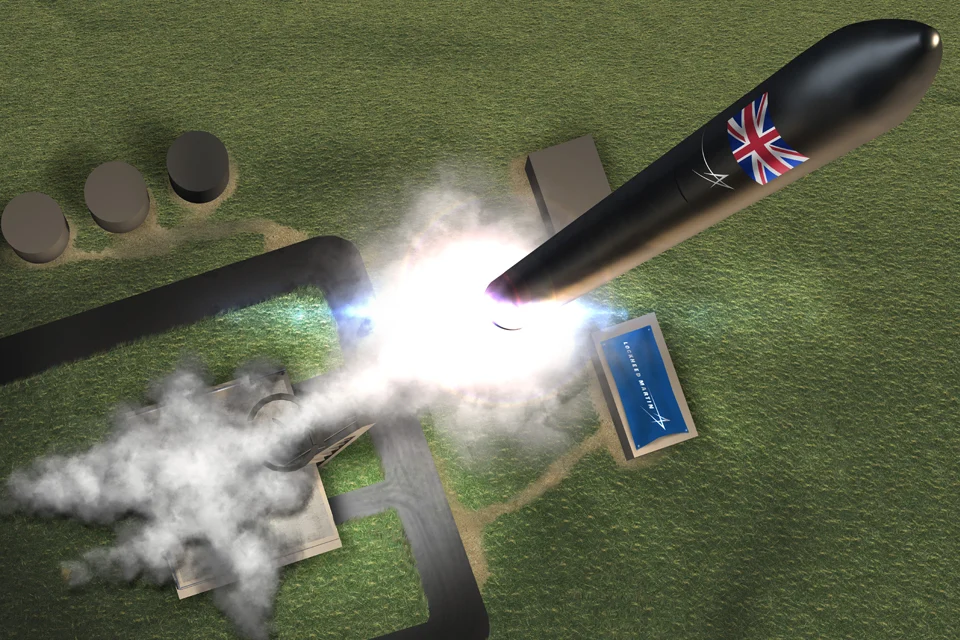
Another major setback to British ambitions came in 2024 when Lockheed Martin and the UK Space Agency officially closed their joint satellite launch grant programme. They had sought to launch rockets from SaxaVord Spaceport on the Isle of Unst in the Shetland Islands.
Never say never to British space launches
In October 2026, Spaceport Cornwall announced a new partnership with Dawn Aerospace, signing a Memorandum of Understanding (MoU). Ironically, Dawn Aerospace is a New Zealand company.
The MoU seeks to explore the establishment of DASH UK (Dawn Aerospace Suborbital Horizontal UK Launch Programme) at Spaceport Cornwall, “creating a potential new UK capability for rapid, reusable access to suborbital space, microgravity research, high-altitude testing and advanced aerospace missions.”
The statement noted it builds on Spaceport Cornwall’s role as the UK’s first licensed spaceport and is part of a “wider ambition to build Cornwall into a world-leading future air and space testing and development ecosystem.”
It’s worth noting that this is a sub-orbital effort, and Dawn Aerospace’s Aurora spaceplane is a reusable, rocket-powered vehicle designed to reach altitudes of up to 100 km and speeds exceeding Mach 3.7.
Meanwhile, SaxaVord Spaceport is endeavouring. It says on its website, “Within the past year, our clients have conducted successful rocket engine tests on site, and the next step is a test flight.”
Sign up for our newsletter and get our latest content in your inbox.
Similar Reads



Sign up for our newsletter. Select all sectors relevant to you.
Related