BMT submarine course set to support Canada’s underwater capability

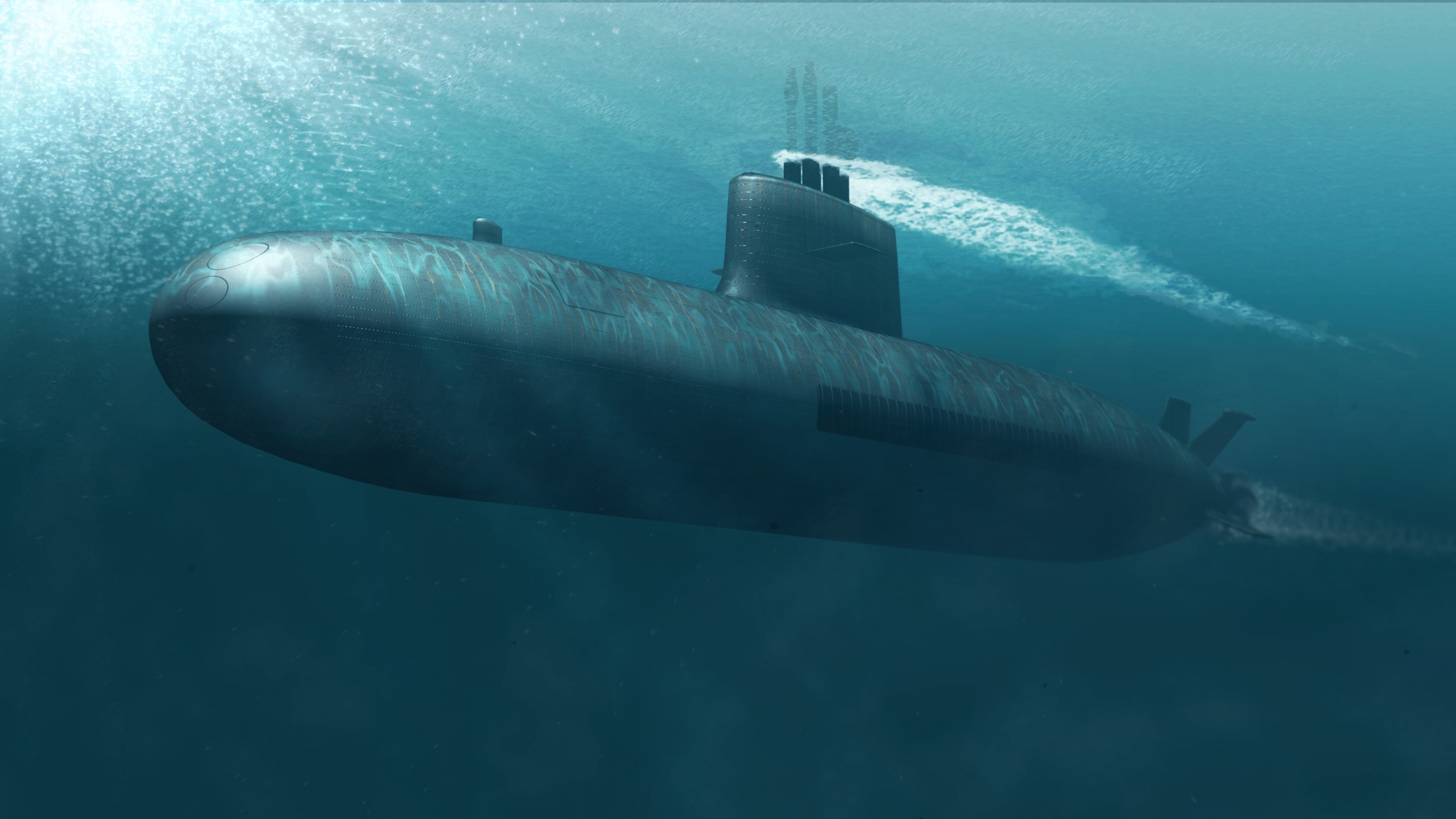
BMT has launched a specialist submarine training course in Canada as the country prepares for a major expansion of its underwater capabilities.
The initiative aims to build awareness, knowledge and technical skills across Canada’s submarine enterprise, supporting future workforce and industrial requirements linked to the planned replacement of the Royal Canadian Navy’s Victoria-class submarines.
The Government of Canada’ having stated that the’s Canadian Patrol Submarine Project (CPSP) is intended to replace the Victoria-class fleet with up to 12 modern submarines, creating a long-term requirement for the people, organisations and industrial capabilities needed to support those platforms throughout their lifecycle.
BMT says this initiative comes at an important time for Canada’s submarine enterprise. Much of the country’s existing submarine expertise is engaged in supporting the Victoria-class fleet, creating a need to develop additional submarine knowledge and expertise to support the potential growth of Canada’s future submarine fleet. The in-person, expert-led submarine course, delivered by BMT specialists, is designed to provide an introduction to submarine systems, operations and sustainment, as well as the broad range of disciplines that contribute to an effective and enduring underwater capability.
While platforms are central to future capability, their long-term effectiveness will depend equally on the people, industrial capacity and shared technical understanding required to acquire, operate, maintain and modernise them over decades of service.
Why it is important to collaborate on building capability before it is needed
Submarines are among the most complex engineering systems in service today. Supporting them requires expertise across a wide range of disciplines, including naval architecture, marine and mechanical engineering, electrical engineering, systems engineering, software and cybersecurity, logistics and sustainment, safety and assurance, project management, technical maintenance and support and training and operational readiness.
BMT recognises that developing Canada’s future submarine expertise must begin well before new platforms enter service. The initiative is designed to help technical specialists, industry partners, government organisations and professionals develop a better understanding of how submarines operate, why they matter and how their existing skills can contribute to Canada’s future submarine capability.
A key element of the course is understanding how and why submarines differ from surface vessels, operating below the surface introduces unique engineering, operational and safety considerations that require a different approach from that used for conventional surface vessels. The programme has been developed for existing and emerging stakeholders across Canada’s growing submarine enterprise. By strengthening understanding of conventional submarine engineering, operations and sustainment, the initiative aims to contribute to a more informed, connected and resilient submarine ecosystem.
As Canada’s submarine enterprise evolves, collaboration among government, industry, suppliers and the skilled workforce that supports them will be vital. The in-person course gives participants an opportunity to develop a broader and technical understanding of submarine operations, sustainment and the capabilities required to support them.
Drawing on the experience of established maritime and defence training
BMT has supported complex maritime and defence programmes across Canada and North America, the UK and the Asia-Pacific region, including Australia. This experience informs the Canadian initiative, bringing practical perspective from established submarine enterprises while recognising that Canada’s future capability must reflect its own operational, industrial and sovereign priorities. The initiative also sits within BMT’s wider international education and training offer. BMT’s global training portfolio includes its Submarine Design and Engineering Course offered in Australia, Warships 101 and Whole Life Warship Capability Management training. Across adjacent maritime markets, BMT also provides learning on the operational, safety, regulatory and organisational implications of emerging technologies, including maritime autonomy.
The need to develop people and knowledge alongside platforms is also evident in allied submarine and advanced-capability programmes internationally. AUKUS – the partnership between Australia, the UK and the US – has placed workforce development, industrial readiness and the ability to sustain increasingly complex technologies at the centre of long-term undersea capability planning. Under AUKUS Pillar II, partners are accelerating work on advanced capabilities including undersea systems, autonomy, artificial intelligence, quantum technologies, cyber and electronic warfare, with a focus on converting technology into deployable capability at pace.
Graeme Nayler, Regional Business Director, Asia-Pacific, BMT, said: “AUKUS demonstrates that advanced undersea capability is not defined by technology alone. It depends on whether nations can assure, integrate, operate and sustain that technology at the speed at which it is evolving. The lesson from the AUKUS conversation is that workforce development cannot be treated as a downstream activity. Skills, assurance, sustainment and cross-domain understanding need to develop alongside new platforms and technologies, from the earliest stages of a programme. Canada’s future submarine enterprise has its own distinct requirements and priorities. However, there is clear value in sharing lessons across allied maritime communities – particularly as submarine programmes become more digitally connected and as uncrewed systems, data, autonomy and cyber resilience become increasingly important to the wider undersea environment.”
How learning from others can help support Canada’s future workforce
For Canada, the relevance is not in replicating another nation’s programme but in learning from the common challenge facing allied maritime communities: ensuring that technical skills, assurance, sustainment and systems-thinking develop alongside increasingly complex capabilities.
Emily Spurling, Regional Business Development Director, North America, BMT, said: “New submarines alone will not deliver capability, capability comes from people, knowledge and experience.
“As Canada prepares for its next generation of submarines, we have an opportunity to inspire interest, share knowledge and help develop the skills needed across government, industry and the supply chain. This course is designed to contribute to that long-term effort.”
BMT explained that this distinct undersea context is exactly what the course – launched at DEFSEC Atlantic in Halifax this week – sets out to explain. It says bringing people and organisations together will be key to the development of Canada’s future defence and marine capability, providing opportunities to consider the skills, knowledge and partnerships needed alongside long-term platform investment.
Sign up for our newsletter and get our latest content in your inbox.
Similar Reads


Sign up for our newsletter. Select all sectors relevant to you.
Related