

UK open to Germany joining GCAP as Burnham unveils wider defence and technology partnership


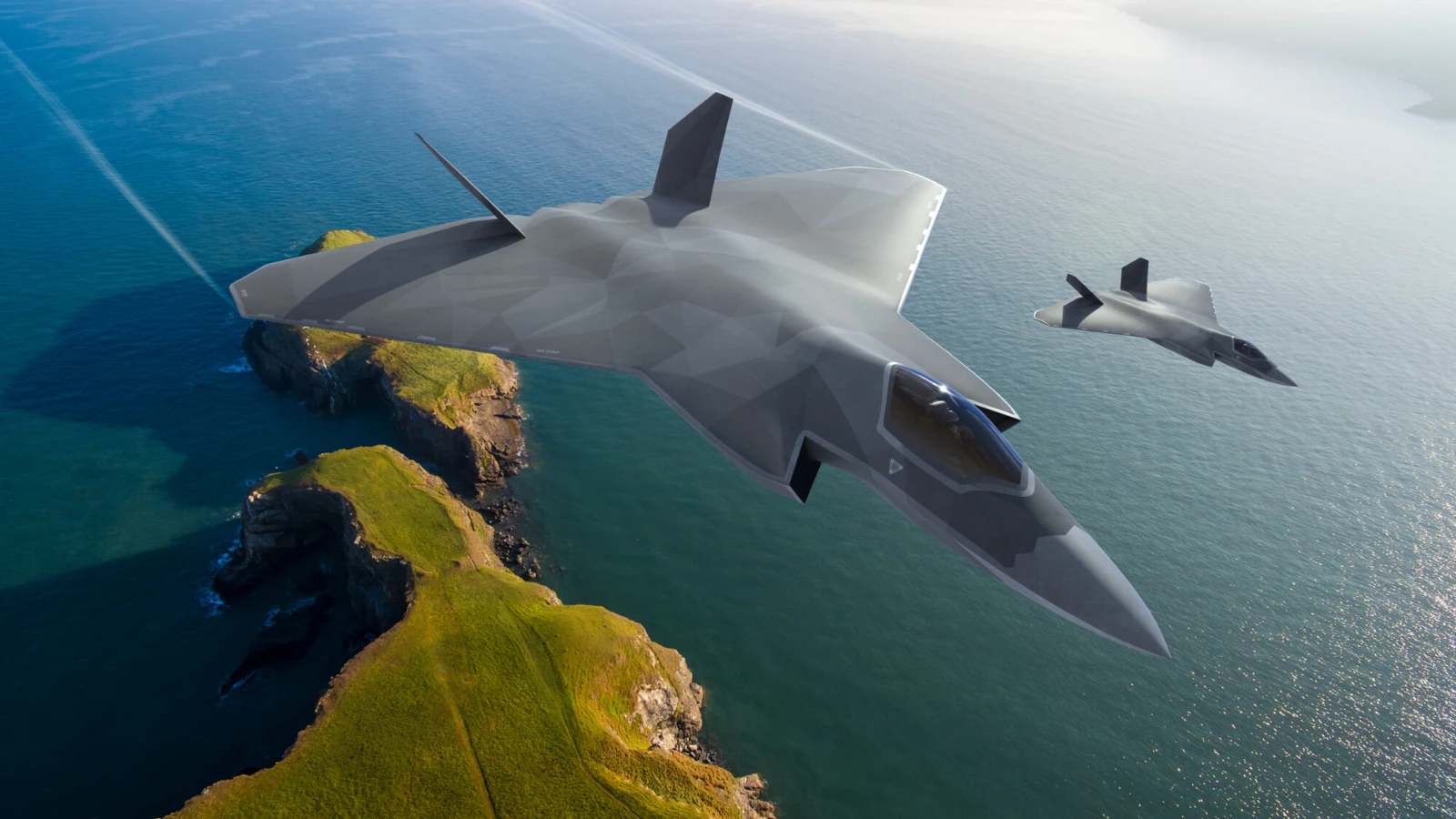
The UK has offered to explore Germany joining the £8.6 billion-backed Global Combat Air Programme (GCAP), as Prime Minister Andy Burnham and German Chancellor Friedrich Merz announced closer cooperation on space, artificial intelligence, quantum technology and countering hybrid threats.
Speaking alongside Merz in Berlin on Thursday (8 October), Burnham confirmed that Britain was willing to discuss German participation in the sixth-generation fighter programme being developed along with Italy and Japan.
“I’ve indicated to the Chancellor … our openness to Germany joining GCAP,” Burnham told reporters, according to Reuters.
“That is something that we seek to progress in the coming period, working with our other partners, Italy and Japan.”
The remarks are the clearest public indication yet from the British Prime Minister that London wants to pursue Germany’s possible involvement in GCAP. They come as Berlin reassesses its future combat aircraft plans following the collapse of its proposed joint fighter development with France earlier this year.
However, no decision has been taken on German participation, and Burnham’s comments do not amount to an invitation agreed by all three GCAP partners.
A German official told Reuters that Berlin was still examining its options.
“We’re in a very early stage with the re-evaluation of our options,” the official said. “Germany hasn’t taken a fixed decision; it’s looking in various directions.”
The official added that Merz favoured a European solution rather than Germany developing a new combat aircraft independently.
German participation could strengthen GCAP but raises questions over industrial workshare
The possibility of Germany entering GCAP has gained momentum since France and Germany abandoned their plans to jointly develop a next-generation fighter under the Future Combat Air System (FCAS)
The disagreement centred on industrial leadership and the division of responsibilities between Dassault Aviation and Airbus Defence and Space.
For the UK, Germany could bring additional investment and a substantial aerospace manufacturing base to a programme facing considerable development costs.
GCAP was established in December 2022 by the UK, Italy and Japan, combining their respective future combat aircraft initiatives. The partners aim to bring a sixth-generation fighter into service by 2035, replacing the Royal Air Force’s Eurofighter Typhoon and Japan’s Mitsubishi F-2.
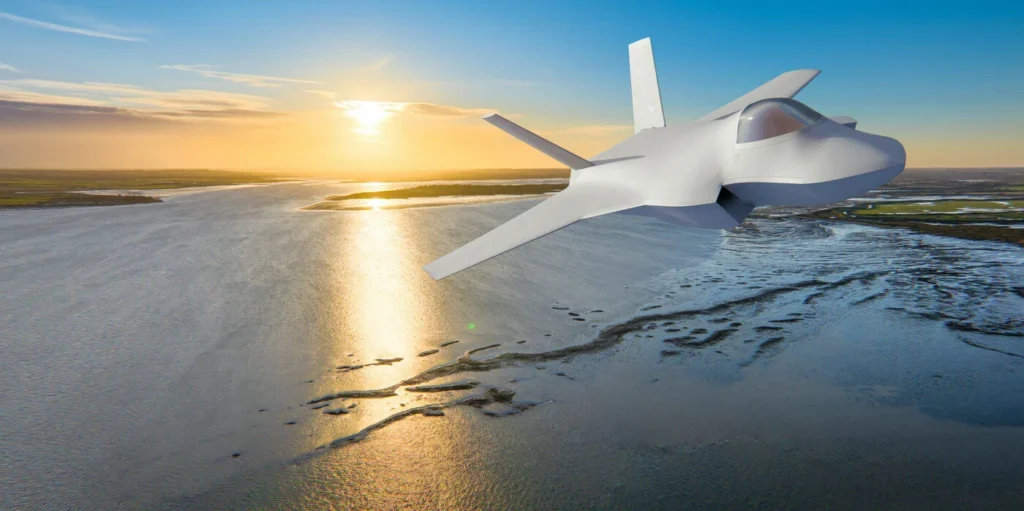
The programme is being developed by an industrial partnership involving BAE Systems, Italy’s Leonardo and Japan Aircraft Industrial Enhancement Co, which is backed by Mitsubishi Heavy Industries.
UK’s Defence Investment Plan, announced in June, committed £8.6 billion over four years to GCAP and the UK’s Tempest fighter effort, placing the programme among the government’s major defence industrial investments.
Germany already works with Britain and Italy on the Eurofighter Typhoon, providing an established industrial relationship that could help discussions over its involvement in GCAP. But admitting a major new partner would not be straightforward.
The existing members have negotiated industrial responsibilities and development arrangements, and any significant redistribution of work could prove sensitive.
Leonardo chief executive Lorenzo Mariani previously acknowledged that bringing another nation into GCAP could be tricky at this stage. “If you wanted to bring a new nation now, with the same rights as the other three, this would be a little bit disruptive,” media reports quoted.
Nevertheless, he argued that the longer-term advantages were substantial.
“The long-term benefits are clear,” he said, adding that another partner bringing funding and industrial expertise would help support a programme of this scale.
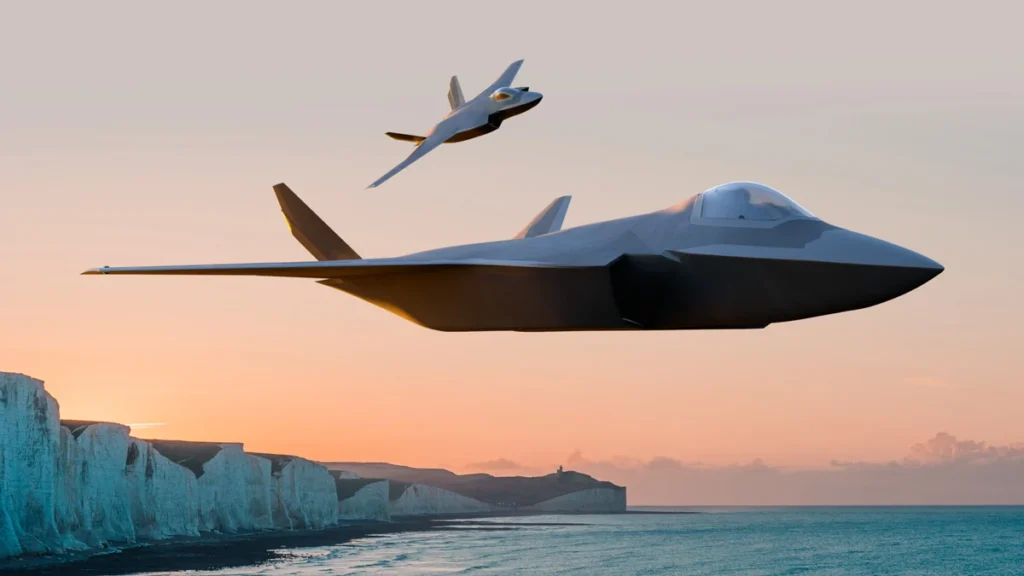
Italy has already expressed support for widening GCAP membership. Defence Minister Guido Crosetto said in June that Germany, Saudi Arabia and other interested countries could help distribute the financial burden.
Canada became GCAP’s first observer nation in July, establishing a route for countries to examine the programme without immediately becoming full development partners.
Singapore has also reportedly held exploratory discussions about possible involvement.
For Japan, however, the schedule remains critical. Tokyo is working towards the 2035 service-entry target as its F-2 fleet approaches retirement. Any proposal to add Germany would therefore have to address not only funding and industrial participation but also the risk of slowing development.
UK and Germany expand cooperation on space, AI and quantum technologies
Beyond the fighter programme, Burnham and Merz agreed a series of initiatives intended to bring UK and German technology companies, research institutions and major manufacturers closer together.
A new Industrial Tech Corridor will connect emerging AI and critical-technology businesses with established industrial companies in both countries, helping turn research and early-stage technologies into commercial applications.
The initiative will initially concentrate on artificial intelligence and high-value industrial applications. A roundtable involving senior executives from major companies, AI businesses and government officials is planned for later this autumn.
The UK government said leading German companies, including Allianz, Bosch and Siemens, were supporting the initiative.
The two governments intend to negotiate a memorandum of understanding covering civil, commercial, security and defence activities, with the aim of signing it during bilateral government consultations in early 2027.
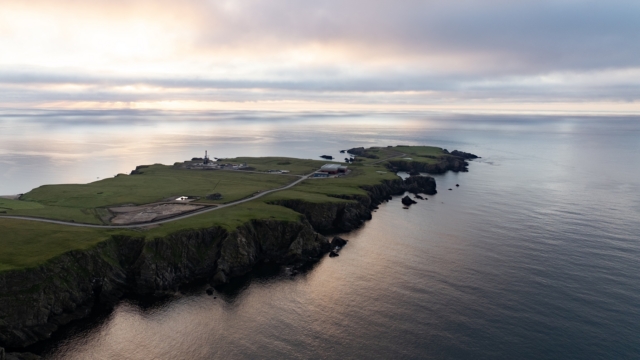
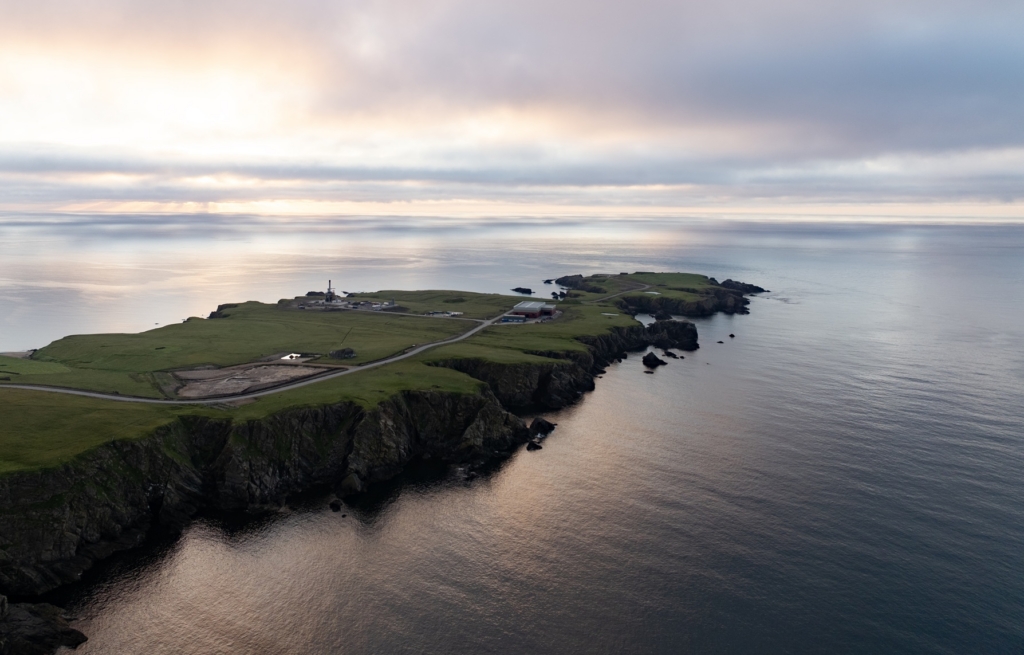
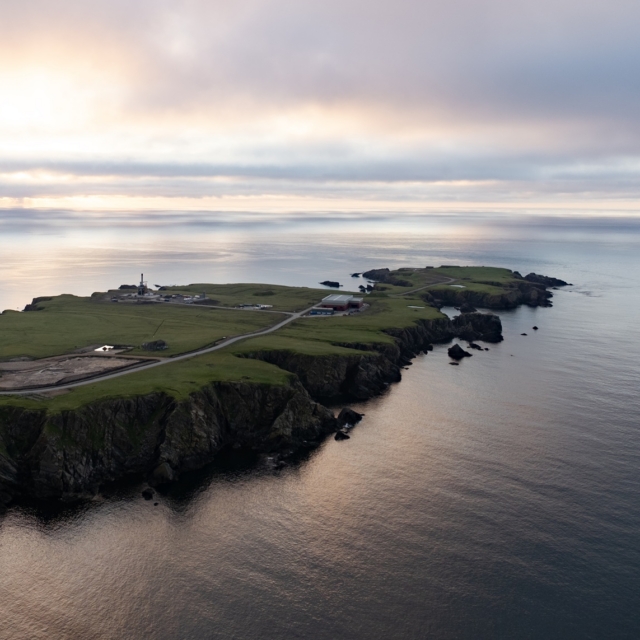
An immediate priority will be launch capability and assured access to space, including cooperation involving SaxaVord Spaceport in Shetland.
The agreement also envisages stronger bilateral and multilateral cooperation on space security and defence, although the governments have not yet announced specific joint missions or procurement programmes.
The leaders also agreed to increase bilateral quantum technology research funding to €19.5 million (£16.5 million). The additional support will finance five more research projects, bringing the number supported through the partnership to ten.
New partnership to counter sabotage, cyberattacks and democratic interference
Security cooperation formed another major part of the talks, with Britain and Germany launching a partnership to identify and counter hybrid threats.
The initiative will strengthen information sharing, contingency planning and coordinated responses to cyberattacks, sabotage and threats against critical national infrastructure.

Both governments have identified Russia as a particular concern, although the partnership is intended to address hostile activity regardless of its origin.
“Attacks on our infrastructure, our businesses and our democracies are not a distant threat,” Burnham said in a statement released by Downing Street.
“They reach into people’s homes and workplaces, and they are designed to make us weaker and more divided.”
He added: “Britain and Germany are joining forces to find, expose and disrupt this activity.”
The two leaders also discussed the attempted Russian drone attack at Leipzig airport and agreed on the need for a collective European response to hybrid threats.
The Berlin meeting also marked the completion of ratification of the Kensington Treaty, signed in London in July 2025, establishing a broader framework for cooperation on defence, security, technology and economic growth.
Burnham and Merz exchanged the ratification documents and convened a Regional Growth Forum with senior business leaders. They agreed to develop further regional dialogue during 2027.
Sign up for our newsletter and get our latest content in your inbox.
Similar Reads

Sign up for our newsletter. Select all sectors relevant to you.
Related