Royal Marines take top honours in Special Forces drone competition
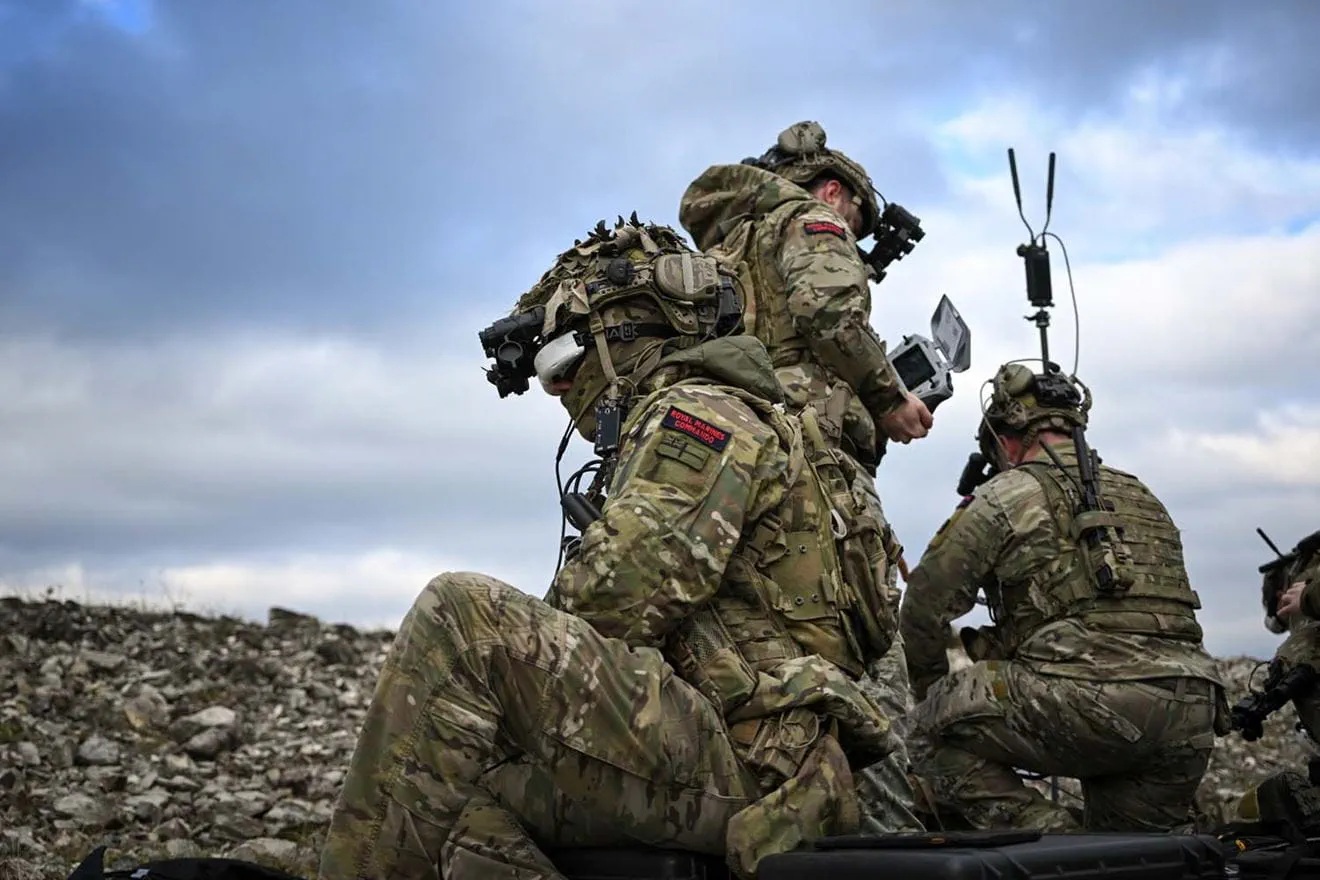
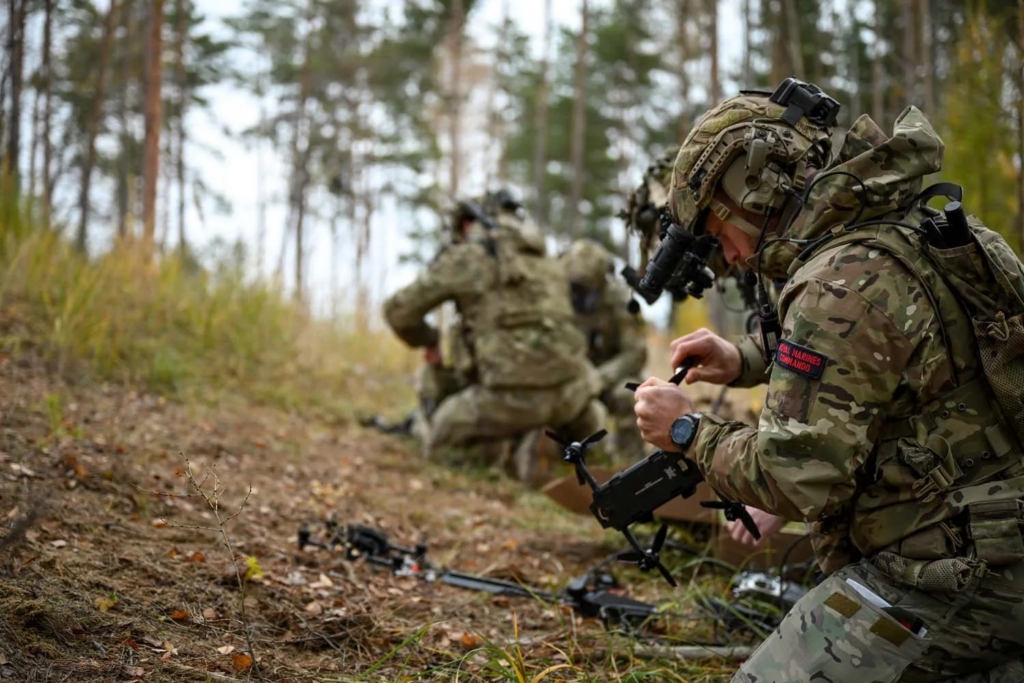
At the inaugural Special Operations Forces allied drone combat competition, known as Drone Crucible, the Royal Marines competed against teams from the US, Germany, Latvia and Ukraine, to become overall champions.

Royal Marines at Drone Crucible
Photo: Royal Navy / Crown Copyright

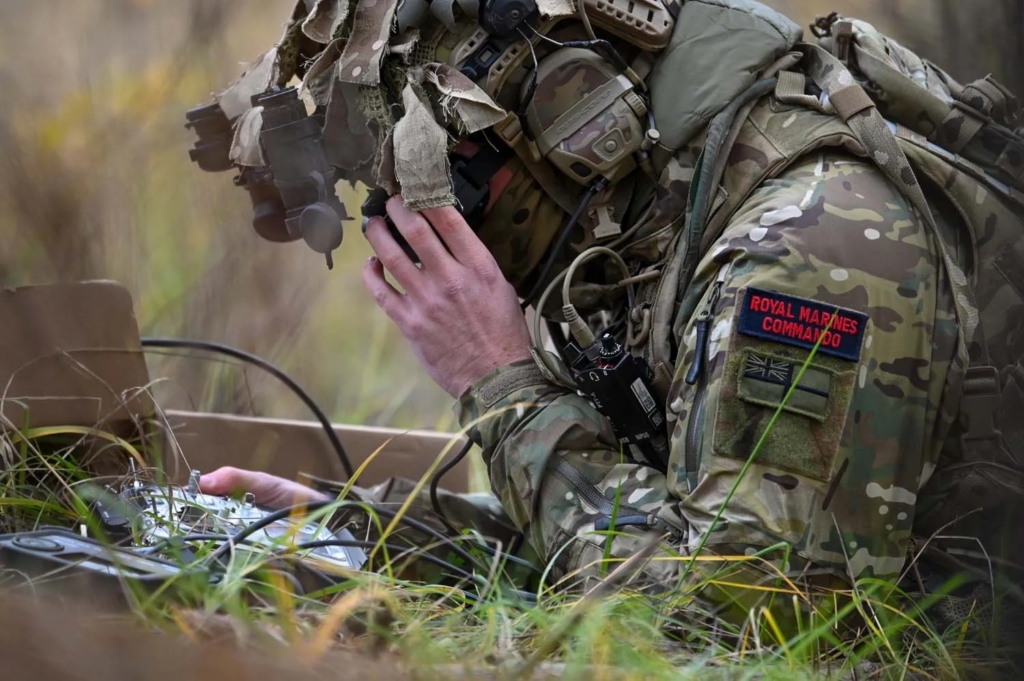
Royal Marines are among the best drone operators in NATO after defeating rivals in a first-of-its-kind contest of cutting-edge uncrewed combat in Germany.

A five-strong team from Taunton-based 40 Commando took part in the inaugural Special Operations Forces competition, known as Drone Crucible, in Bavaria, at the Grafenwöhr Training Area.

The UK team were commended for their “outstanding performance, professionalism and dedication” by the hosts, the US National Drone Association, during the three-day event, which saw teams from five nations compete in challenges to eliminate distant targets, carry out close-quarters reconnaissance and strike inside buildings and launch attacks on vehicles and personnel.

How the Royal Marines managed to adapt to secure the top spot

After 400 sorties, the commando team took top honours against US, German, Latvian and Ukrainian teams, as the UK continues to push these critical skills in this ever-evolving type of warfare.
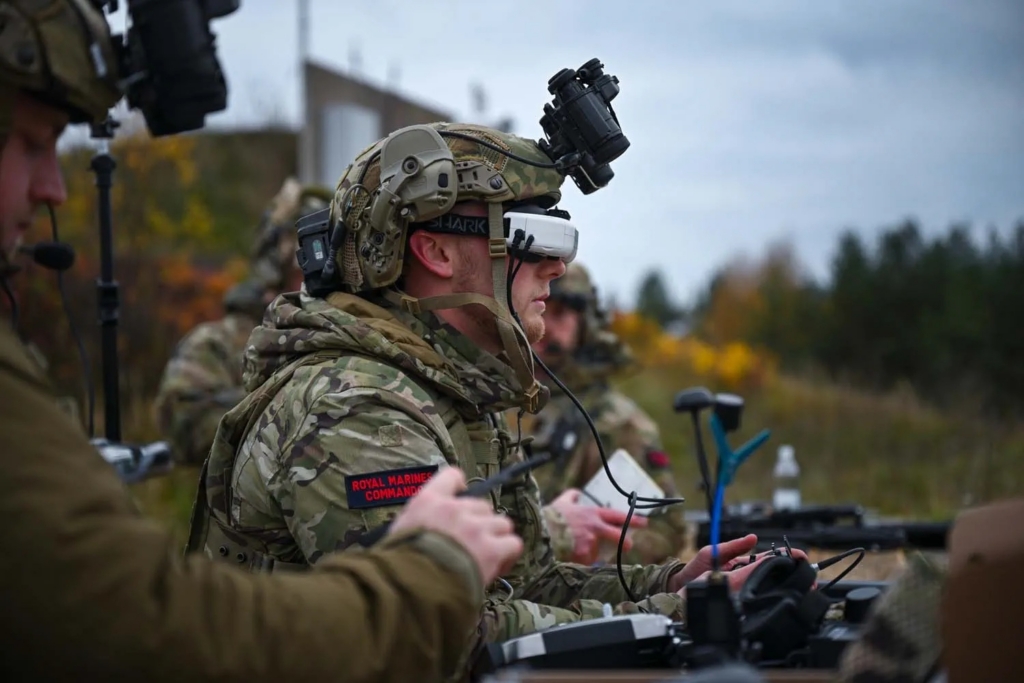
Royal Marines at Drone Crucible
Photo: Royal Navy / Crown Copyright


Major William Docherty, Officer in Command of the Information Warfare Company at 40 Commando, said: “What impressed me most was how quickly the 40 Commando Information Warfare (IW) Company team adapted. With minimal preparation time as a team, Marines from different specialisations learned at pace and performed exceptionally well against experienced pilots from the Special Operations community.

“IW Company brings together sensors, communicators and strike options to solve operational problems, so when a new capability like FPV (First Person View) strike emerges, our Marines are perfectly placed to understand how it can be employed and integrated.”

The contest opened with locating a target from more than two kilometres away, confirming a positive identification with a surveillance drone before striking the target and conducting a battle damage assessment.

The teams were then tasked with clearing buildings, flying their drones into and through two-storey buildings and narrow spaces.
Royal Marines at Drone Crucible
Photo: Royal Navy / Crown Copyright


In the final challenge, the teams coordinated strikes, concentrating three drones on one target, in order, in quick succession – with teams clearing the urban site and coordinating a strike.

Each challenge had a different winner but the UK team were crowned champions for their strong overall display.

What the competition achieved in support of evolving operational techniques

Ultimately, these competitions are designed to improve the combat performance of allied drone operators, learning from each other and developing ways of operating together.

For the Royal Marines and UK Commando Force it reflects the rapid development of drone skillsets and the long-term work ongoing for a credible First-Person View drone strike capability.
It was also a chance for industry partners to present their newest kit and understanding to better the needs of the user on the battlefield.
Royal Marines at Drone Crucible
Photo: Royal Navy / Crown Copyright


This competition victory comes soon after drone operators developed new ways to rapidly teach inexperienced troops to launch uncrewed logistics sorties without ‘enemy’ detection.

The evolving procedures Malloy Flight, Delta Squadron, of Devon-based 48 Commando (Support Group) Royal Marines are working on will mean a freshly-trained drone team can prepare and launch their drones within three minutes during the day and five minutes at night.

The squadron decamped to the Spadeadam Training Area in Cumbria for five days to work on tactics for launching their Malloy quadcopter – capable of carrying a payload of up to 63kg – while in combat, increasing drone teams’ survivability by reducing setup and preparation time before launch.

The ultimate aim was to keep pace with battlefield developments, for example those seen in Ukraine, so that drone teams can launch their machines before the ‘enemy’ detects them electro-magnetically or otherwise and attempt to destroy them.

Related

Heathrow third runway faces fresh challenge over £19bn funding gap
British Airways A319 taxis at London Heathrow, UK, 17 November 2010
Heathrow third runway faces fresh challenge over £19bn funding gap
British Airways parent company IAG has warned ministers that Heathrow’s £49bn expansion plan would require airport charges that push fares too high.
Aerospace

23 Nov 2026

Stansted to conduct major emergency training exercise
Stansted Airport Fire Service
Stansted to conduct major emergency training exercise
Tomorrow, London Stansted Airport will simulate an aircraft accident as part of an emergency exercise required under CAA regulations, which will involve emergency response service vehicles and personnel, bringing together airport teams, emergency services and partner organisations from across the region.
Aerospace Security

23 Nov 2026

Virgin Atlantic CEO talks Manchester expansion and Airbus A330neo introduction
Virgin Atlantic Airbus A330neo aircraft landing
Virgin Atlantic CEO talks Manchester expansion and Airbus A330neo introduction
Virgin Atlantic, faced with constraints in Heathrow, has set its sights on Manchester. Its Airbus A330neos will debut next summer.
Aerospace

22 Nov 2026

Royal Edinburgh Military Tattoo strengthens governance and leadership expertise
Royal Edinburgh Military Tattoo Board of Directors
Royal Edinburgh Military Tattoo strengthens governance and leadership expertise
The strategic leadership team of the Royal Edinburgh Military Tattoo has been enhanced, with Sir Stuart Atha KBE CB DSO MA BSc and Malcolm Leask MBA MRICS FCIM being appointed to the Tattoo Board, alongside the recent appointment of Chris Edmonds as Chair.
Defence Events

23 Nov 2026

RAF chief confirms uncrewed fighter jets will fly in UK airspace in 2027
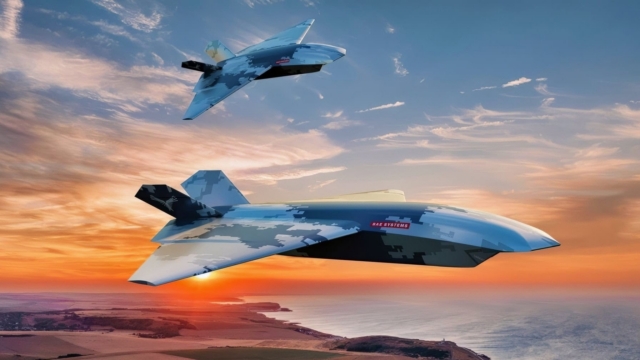
A digital rendering of two Brontanax CCAs in flight. Image: BAE Systems
RAF chief confirms uncrewed fighter jets will fly in UK airspace in 2027
Britain is working to conduct its first CCA flight in 2027, even as the CCA programme may be one of the key areas of negotiating Germany's entry into the GCAP programme.
Defence

23 Nov 2026

From D-Day to stealth bombers: The remarkable history of RAF Fairford
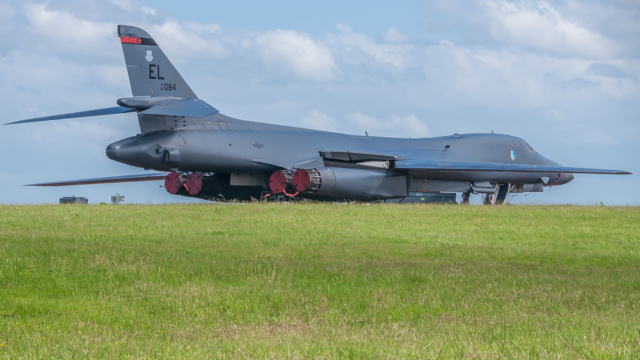
B1-B Lancer
From D-Day to stealth bombers: The remarkable history of RAF Fairford
The airbase has played a significant role in British and American military aviation for more than 80 years.
Defence

22 Nov 2026

UK-built X-ray instrument begins work as BepiColombo reaches Mercury
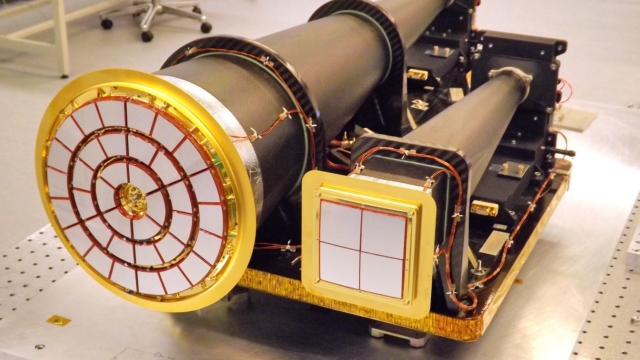
The MIXS flight instrument before the launch of the BepiColombo mission
UK-built X-ray instrument begins work as BepiColombo reaches Mercury
Following an eight-year journey, the joint ESA-JAXA BepiColombo spacecraft has entered orbit around Mercury, preparing the UK-led MIXS X-ray instrument to map the planet's surface composition.
Space

23 Nov 2026

Why don’t rockets launch from the UK?
Starshield's proliferated low-Earth orbit architecture provides inherent resiliency and constant connectivity to on-orbit assets, while SpaceX's proven rapid launch capability provides expedient and economical access to space.
Why don’t rockets launch from the UK?
While the UK is often described as a poor location for rocket launches, the reality is more complicated. Its geography creates challenges for some missions, but also gives emerging spaceports in Scotland and Shetland a valuable niche in the fast-growing small-satellite market.
Space

21 Nov 2026

ESA awards OHB €102m ClearSpace-1 contract
ClearSpace Titel V2
ESA awards OHB €102m ClearSpace-1 contract
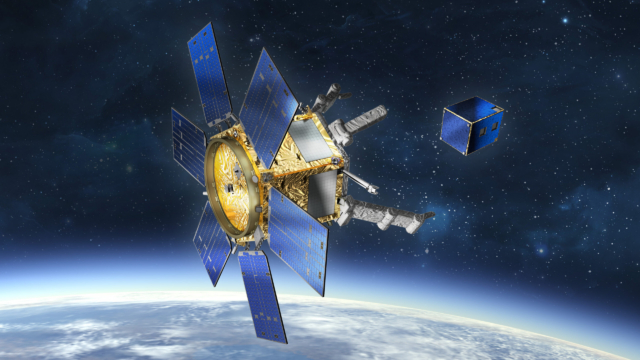
Following the selection of OHB as the prime contractor for the European Space Agency's ClearSpace-1 programme, Europe has moved a step closer to realising Europe’s first active space debris removal mission.
Member News Space

20 Nov 2026

Stansted to conduct major emergency training exercise
Stansted Airport Fire Service
Stansted to conduct major emergency training exercise
Tomorrow, London Stansted Airport will simulate an aircraft accident as part of an emergency exercise required under CAA regulations, which will involve emergency response service vehicles and personnel, bringing together airport teams, emergency services and partner organisations from across the region.
Aerospace Security

23 Nov 2026

Met launches handheld facial recognition pilot for frontline identity checks
New Scotland Yard sign
Met launches handheld facial recognition pilot for frontline identity checks
The Metropolitan Police have launched a six-month trial of a new handheld facial recognition tool that allows officers to verify a person's identity without their consent by comparing a photograph taken on a police-issued mobile device against the force's custody image database.
Security

20 Nov 2026

Hexagon and Red Bull look beyond engineering degrees to find manufacturing’s future talent
Formula 1 car at Red Bull's MK7 campus
Hexagon and Red Bull look beyond engineering degrees to find manufacturing’s future talent
At Red Bull’s Milton Keynes campus, Hexagon brought students and employers together to explore how interests in gaming, data and problem-solving could become a route into manufacturing — and what industry needs to do to open those doors.