From D-Day to stealth bombers: The remarkable history of RAF Fairford

Situated in the Gloucestershire countryside, on the edge of the Cotswolds, RAF Fairford has played a significant role in British and American military aviation for more than 80 years.
From its beginnings as a Second World War transport base to its position as a key United States Air Force (USAF) operating location in Europe, Fairford has witnessed some remarkable moments in aviation history.
The Second World War: supporting D-Day
Construction of RAF Fairford began in 1943, and the airfield officially opened on 18 January 1944. Originally intended for use by the United States Army Air Forces, it was instead operated by the RAF’s Transport Command, becoming an important base for airborne operations in preparation for the Allied invasion of Normandy.
The principal aircraft operating from Fairford were the Short Stirling bomber and the Airspeed Horsa assault glider, flown by Nos. 620 and 190 Squadrons. Although the Stirling was originally designed as a heavy bomber, it proved particularly useful for transporting troops, towing gliders and delivering supplies.
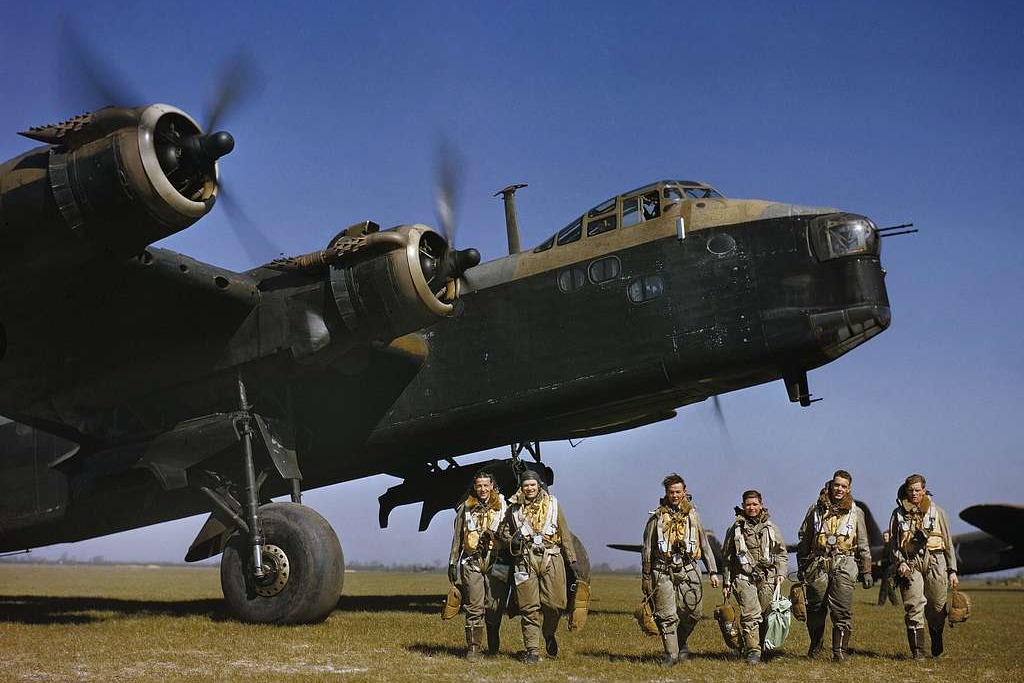
On the night of 5 June 1944, 45 Stirling aircraft departed Fairford carrying almost 900 paratroopers towards Normandy. Further sorties followed, with aircraft towing gliders carrying troops, vehicles and equipment to support the invasion. Fairford subsequently supported airborne operations during the Battle of Arnhem in September 1944 and continued flying supply missions to resistance groups across occupied Europe.
After the war, the airfield remained in use for transport and airborne training, with Handley Page Halifax aircraft among those operating from the station. It eventually closed in December 1948.
The Cold War: Arrival of the United States Air Force
Fairford reopened in 1950 as the United States expanded its military presence in Britain during the Cold War. Its infrastructure was extensively upgraded, including the construction of a new runway approximately 3,000 metres long, capable of accommodating large strategic bombers.
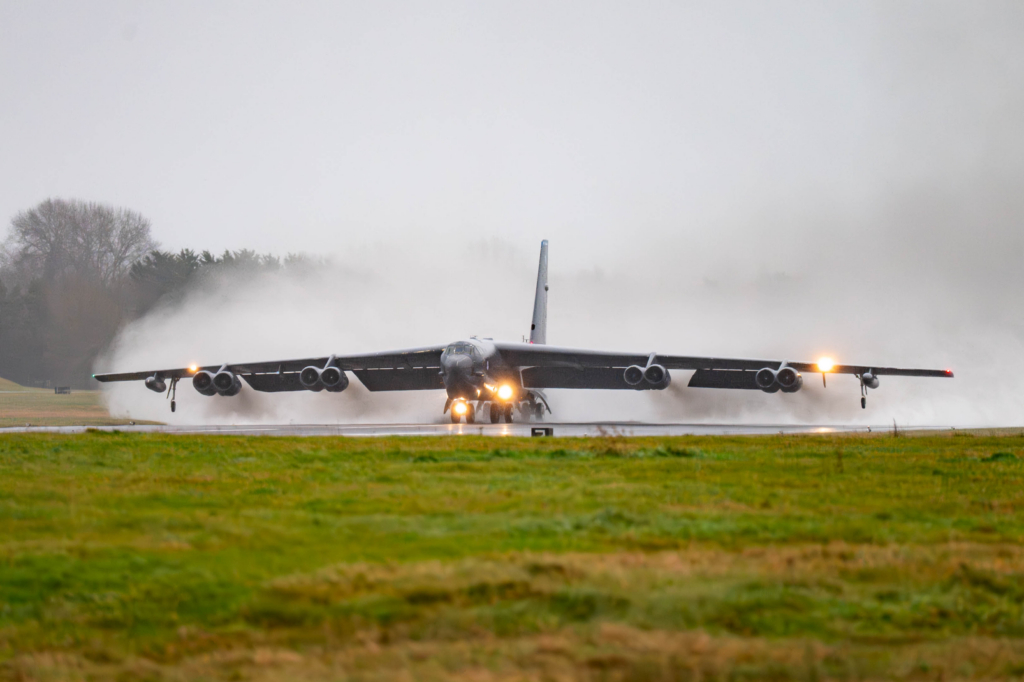
The airfield became an important Strategic Air Command (SAC) base, hosting a succession of American bomber aircraft. These included the Convair B-36 Peacemaker, Boeing B-47 Stratojet and Boeing B-52 Stratofortress. Boeing KC-97 Stratofortress tankers also operated from the base, supporting long-range bomber deployments and aerial refuelling.
The B-47 became a particularly familiar sight during the 1950s, while reconnaissance variants of the aircraft also operated from Fairford. The base formed part of America’s wider strategy to maintain a credible nuclear deterrent against the Soviet Union.
The 1960s and 1970s: RAF operations and Concorde testing
In 1964, control of Fairford returned to the RAF, and Fairford took on a variety of roles. It became a training base for the Central Flying School, with Folland Gnat jet trainers operating from the airfield. Between 1965 and 1968, it was also home to the RAF’s famous Red Arrows aerobatic display team.
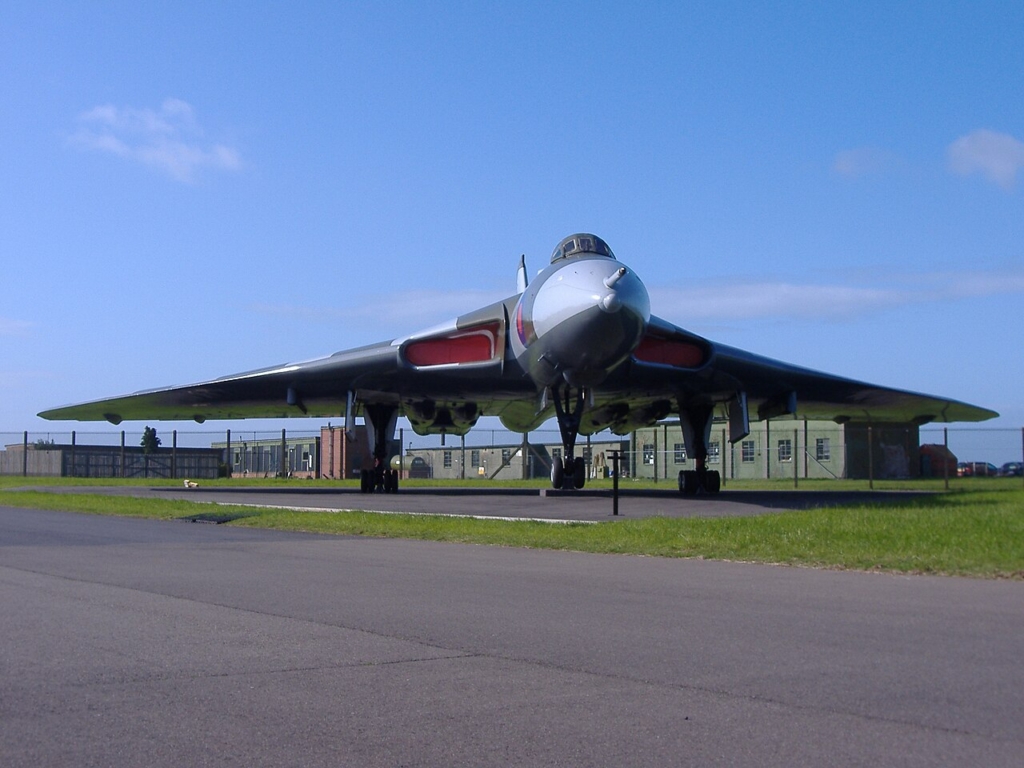
Other aircraft types included the Short Belfast transport, Vickers VC10 and Lockheed C-130 Hercules. Avro Vulcan bombers also made a temporary appearance in 1973.
Perhaps the most unusual chapter began in April 1969, when Fairford became the British flight-test centre for the Anglo-French Concorde programme. The prototype Concorde 002 was based there, undertaking important development and testing flights. The airfield’s long runway made it particularly suitable for high-speed testing. The programme continued until November 1976, when the test operation returned to Filton.
The return of the USAF and modern operations
The USAF returned in 1978, initially establishing Fairford as a forward operating location for Boeing KC-135 Stratotanker aerial refuelling aircraft. These tankers supported NATO operations and helped provide the range required for American aircraft operating across Europe.
Fairford’s strategic importance became particularly apparent in 1986, when KC-135 tankers based at the airfield supported Operation El Dorado Canyon, the American air strikes against Libya.
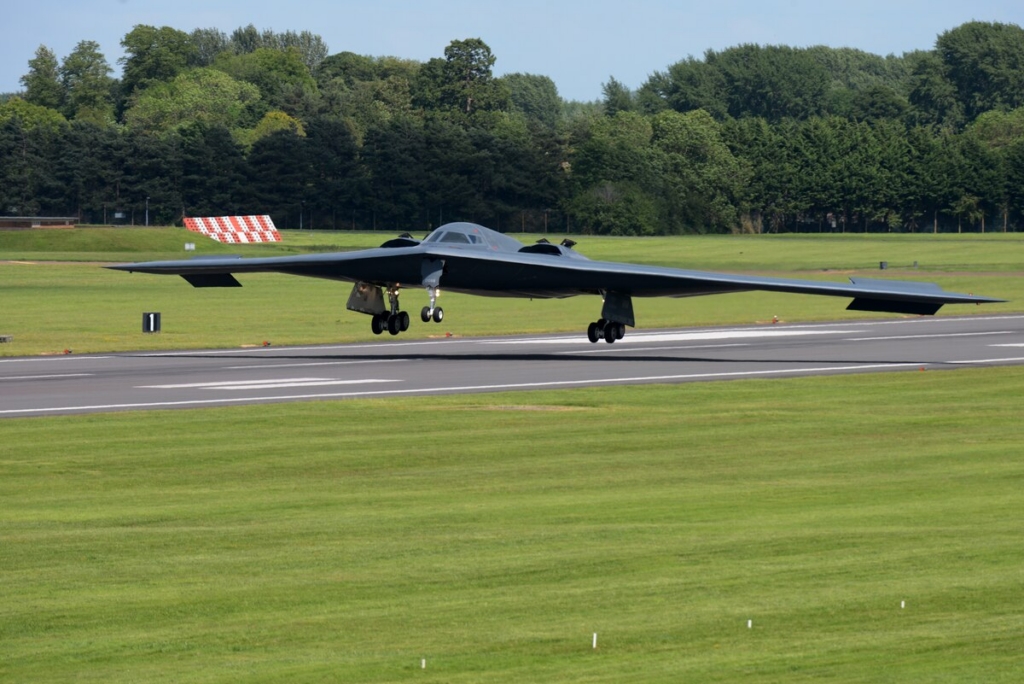
During the 1991 Gulf War, Fairford became a forward operating base for B-52 Stratofortress bombers, which flew missions against Iraqi targets. It subsequently supported operations in Kosovo in 1999 and the invasion of Iraq in 2003.
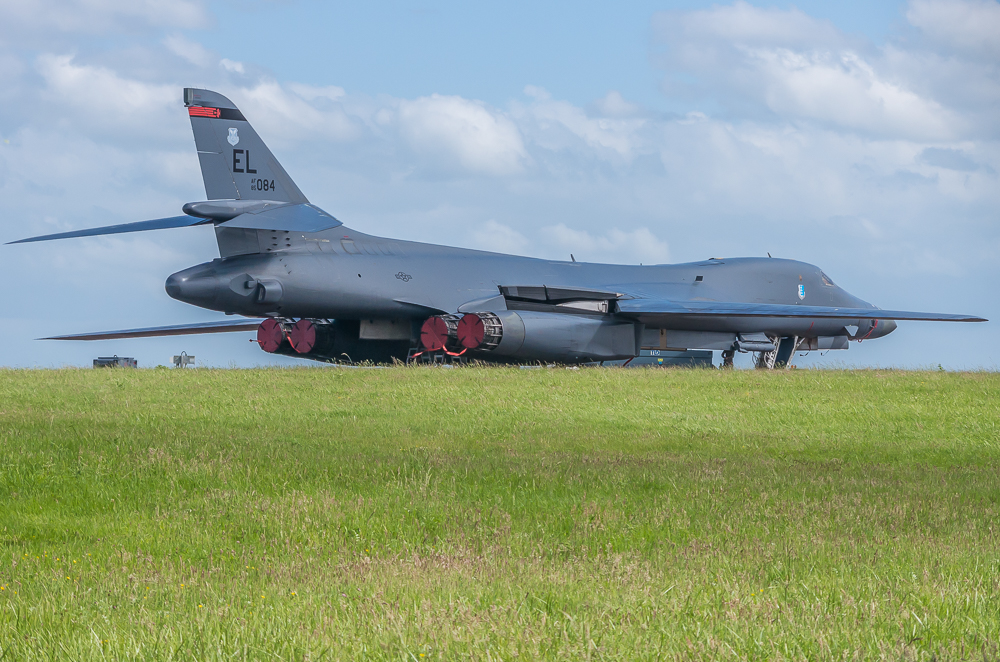
Over the years, numerous other American aircraft have deployed to Fairford, including the supersonic B-1B Lancer, F-16 Fighting Falcon and stealthy B-2 Spirit. The base has also hosted the U-2 reconnaissance aircraft, along with various transport and support aircraft.
RAF Fairford Today
Today, RAF Fairford remains a strategically important USAF installation, operating under British ownership and supporting American and NATO military activity. It is particularly associated with deployments of long-range strategic bombers, including the B-52, B-1B and B-2.
Away from military operations, Fairford is internationally recognised as the traditional home of the Royal International Air Tattoo (RIAT), one of the world’s largest military airshows. The annual event attracted aircraft and visitors from across the globe during its last incarnation in 2025, showcasing both historic and modern aviation. However, from 2027, the event will be moved to MOD Boscombe Down in Wiltshire for security reasons.
From its vital contribution to D-Day to Cold War nuclear deterrence, Concorde development and modern strategic air operations, RAF Fairford has continually adapted to the changing demands of military aviation. Its remarkable history makes it one of the most significant and recognisable airfields in the United Kingdom.
Sign up for our newsletter and get our latest content in your inbox.
Similar Reads



Sign up for our newsletter. Select all sectors relevant to you.
Related