Quieter drones could still face noise backlash as UK prepares for BVLOS expansion


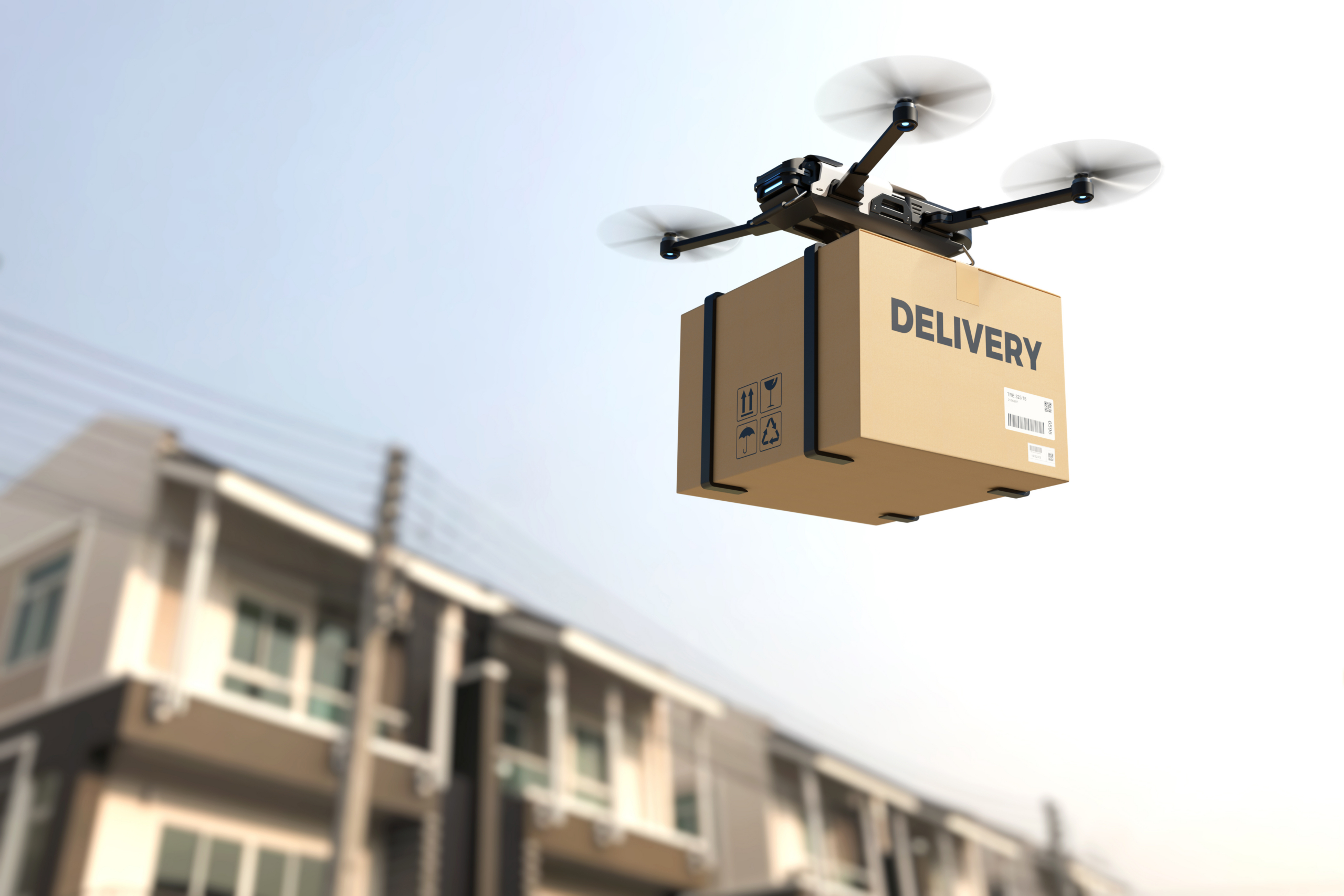
Drones and electric vertical take-off and landing aircraft could create new noise problems for communities despite being quieter than conventional helicopters, a new UK Civil Aviation Authority report has found.
Lower-altitude flights, repeated movements and hovering close to homes could undermine the benefits of quieter designs. The acoustic characteristics of some aircraft may also cause greater annoyance than other environmental noise sources at comparable sound levels.
Published as the UK develops commercial drone and eVTOL services, Managing Noise from Emerging Aviation Technology, CAP3304, argues that understanding community experience must form part of their introduction.
Being quieter at source is only part of the equation. When aircraft operate, how frequently they pass overhead and whether residents understand their purpose can all influence the response.
Noise could complicate the UK’s BVLOS rollout
For operators preparing to expand beyond visual line of sight (BVLOS), the findings highlight a challenge extending beyond safe access to airspace: maintaining community acceptance as flights become routine.
The CAA identifies gaps in conventional aviation noise assessment, which may not fully capture the intermittent sounds and dispersed flight patterns of emerging operations. Robust UK-specific evidence linking routine drone and eVTOL exposure to annoyance or sleep disturbance is also lacking.
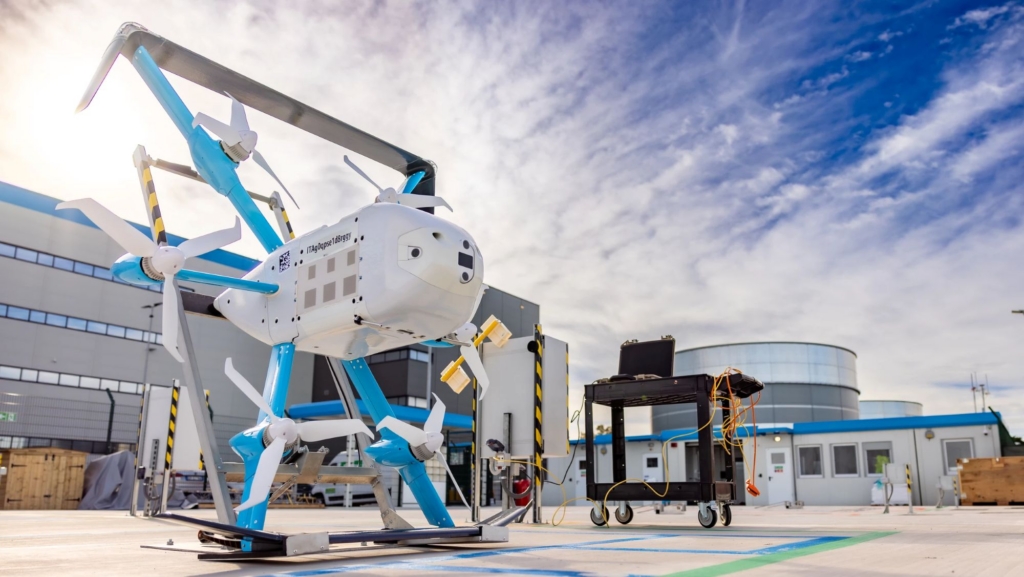
Amazon’s US rollout illustrates the potential friction. In College Station, Texas, residents complained about repeated drone noise, with one describing it at a council meeting as “the noise equivalent of a flying chainsaw”. Amazon subsequently confirmed it would not renew its operating site’s lease.
The company has also invested in quieter technology, describing its newer MK30 as producing half the noise of previous Amazon delivery drones. That addresses aircraft sound, but the CAA’s findings underscore why flight frequency and proximity to homes also require attention.
The report introduces no new BVLOS restriction. However, it says limits on operating hours, movement numbers or activity in sensitive locations may be necessary where other measures prove insufficient.
CAA proposes early action on drone noise
The report supports the Department for Transport’s development of national drone noise policy, recommending an adaptable framework rather than premature comprehensive numerical limits.
Priorities for the next six to 12 months include common operational datasets, proportionate assessment guidance and consistent collection of complaints and community feedback.
Operators should provide early information, accessible contact arrangements and evidence that feedback can influence operations. Quieter aircraft, appropriate infrastructure locations and better route and altitude choices should help reduce exposure.
“Taking the opportunity to improve our understanding and develop good practice while the sector is still emerging and expanding is vital,” said Ed Weston, the CAA’s head of environmental research and consultancy. “A clear and proportionate approach to noise can protect communities, give operators greater certainty and support the responsible scaling of these new technologies and services that can deliver genuine public and economic benefits.”
The recommendations would allow policy to evolve as operational evidence improves, while making noise management part of early deployment rather than a problem addressed after services become established.
Sign up for our newsletter and get our latest content in your inbox.
Similar Reads




Sign up for our newsletter. Select all sectors relevant to you.
Related