Major drone incident could shut UK airport within five years, expert warns



Airports are becoming better at detecting unauthorised drones, but significant questions remain over how much protection is proportionate and what happens once a potentially hostile aircraft has been identified.
Chris Daniels, co-chair of the ADS Group Drone Platforms and Counter-Drone Special Interest Group, told ADS Advance that the current threat level remains relatively low.
“Today it’s not a very high threat, but I would say it is almost certain that in the next five years there will be a major drone incident that will shut down an airport for a prolonged period of time,” he said.
Recent Airprox reports illustrate the continuing problem. In April 2026, an Airbus A319 approaching Gatwick passed within 100–300ft of an unidentified disc-shaped object. A day earlier, an A321 approaching Heathrow encountered a confirmed drone in an incident assessed as presenting a definite risk of collision.
How much protection does an airport need?
The difficulty for airports is matching their investment to a threat that may be serious but relatively infrequent.
“When you’ve got a very low probability event, it’s very hard to put a statistical number on the level of threat we should prepare for,” Daniels said.
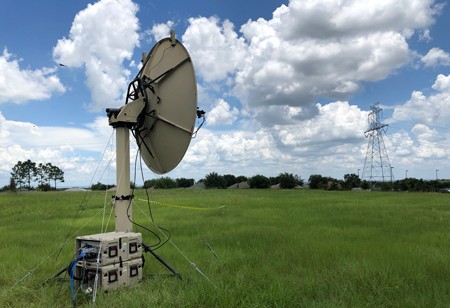
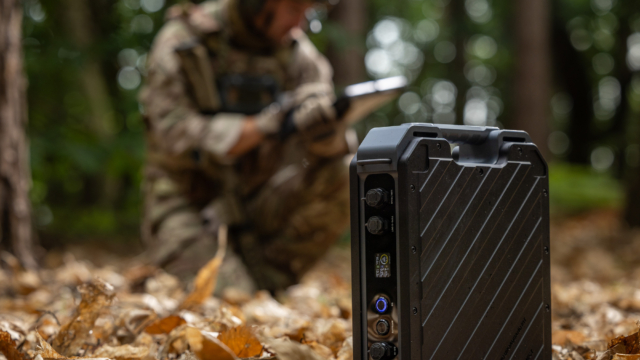
Counter-drone specialist Dedrone recommends airports begin with detection and identification before expanding their systems as the threat and available budget evolve. Passive radio-frequency sensors can be supplemented with radar, optical, thermal and acoustic equipment depending on the risk faced by an individual site.
But finding a drone does not necessarily mean an airport can stop it.
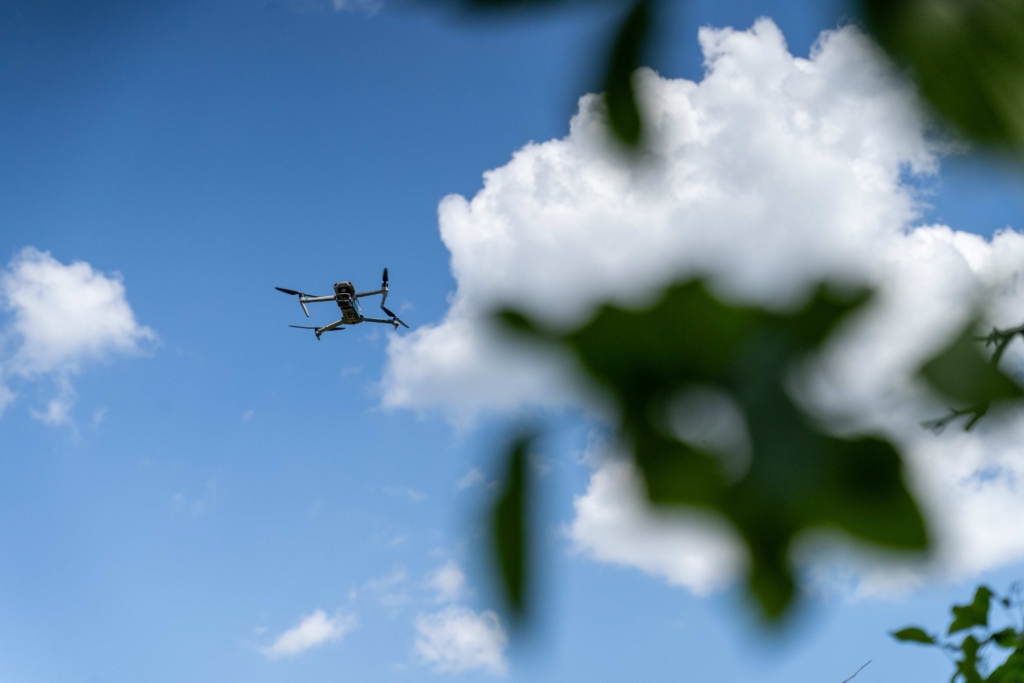
Airports depend on police, regulators and security services when an incident escalates, while many mitigation technologies raise significant legal and operational questions in a civil aviation environment.
That leaves the UK facing what airspace specialist Philip Butterworth-Hayes describes in the latest ADS Advance as a “no-fly dilemma”: detection technology is improving, but the authority and means to respond remain a much harder problem.
Read the full investigation in the Autumn 2026 edition of ADS Advance.
Sign up for our newsletter and get our latest content in your inbox.
Similar Reads




Sign up for our newsletter. Select all sectors relevant to you.
Related