UK airport drop-off charges face government review after sharp increases


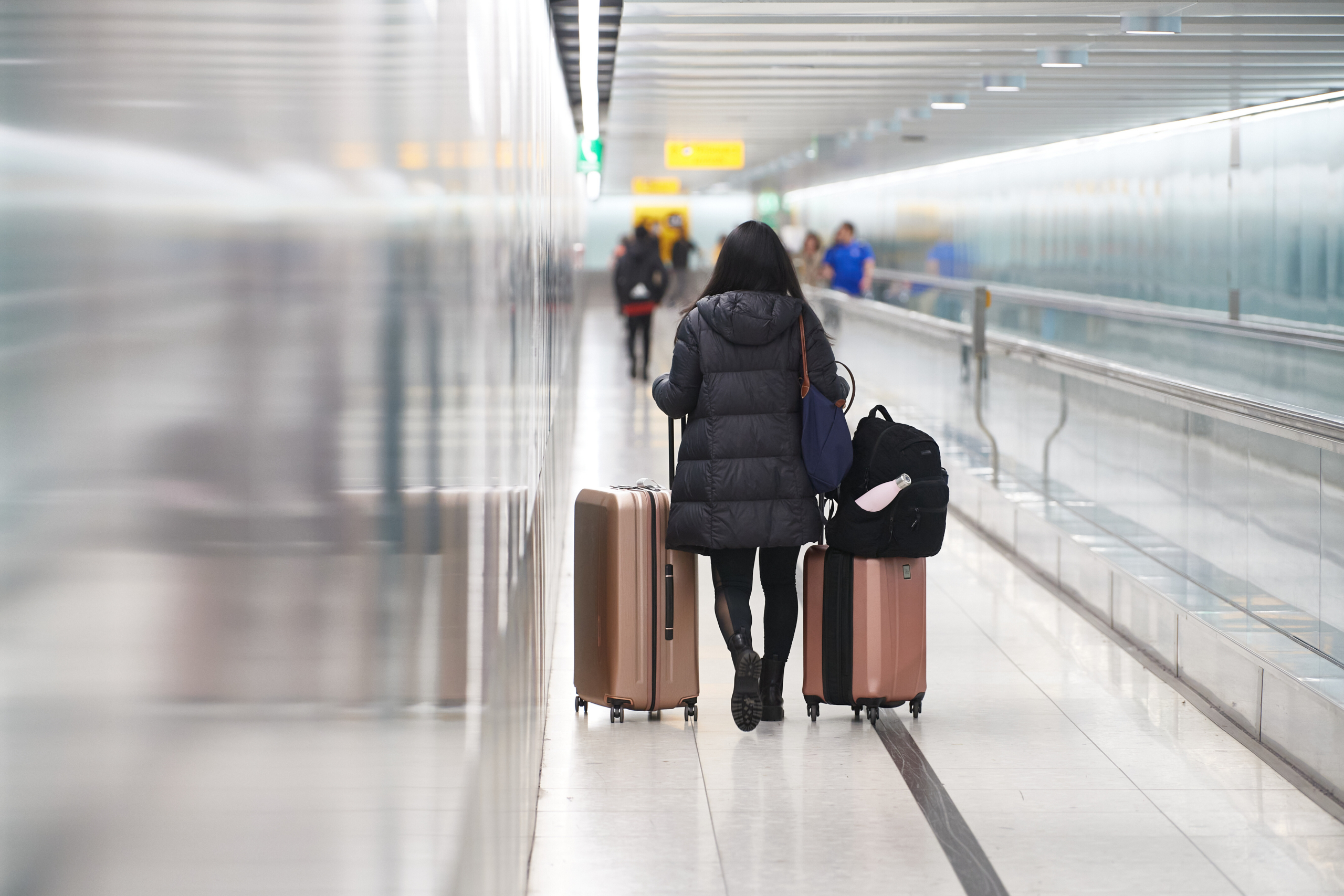
The Department for Transport (DfT) will examine airport drop-off fees after RAC research found average charges increased by a third in a year, reaching £10 at Gatwick and Stansted.
The DfT confirmed the review on 14 October, saying it was “vital to ensure travel remains accessible and that passengers are treated fairly”.
The department also urged airport operators to “exercise restraint on rises, particularly where there are limited public transport alternatives”.
According to RAC research published in July, 16 of the UK’s 20 busiest airports increased their terminal drop-off charges over the previous year. The average fee rose by £1.70 to £7, an increase of approximately one-third.
London Gatwick and Stansted recorded the highest charges, both increasing their fees from £7 to £10. Gatwick allows drivers 10 minutes, compared with 15 minutes at Stansted.
Edinburgh and Bristol charge £8.50 for 10 minutes, while Bournemouth, Leeds Bradford and London City charge £8, although their permitted stopping times differ.
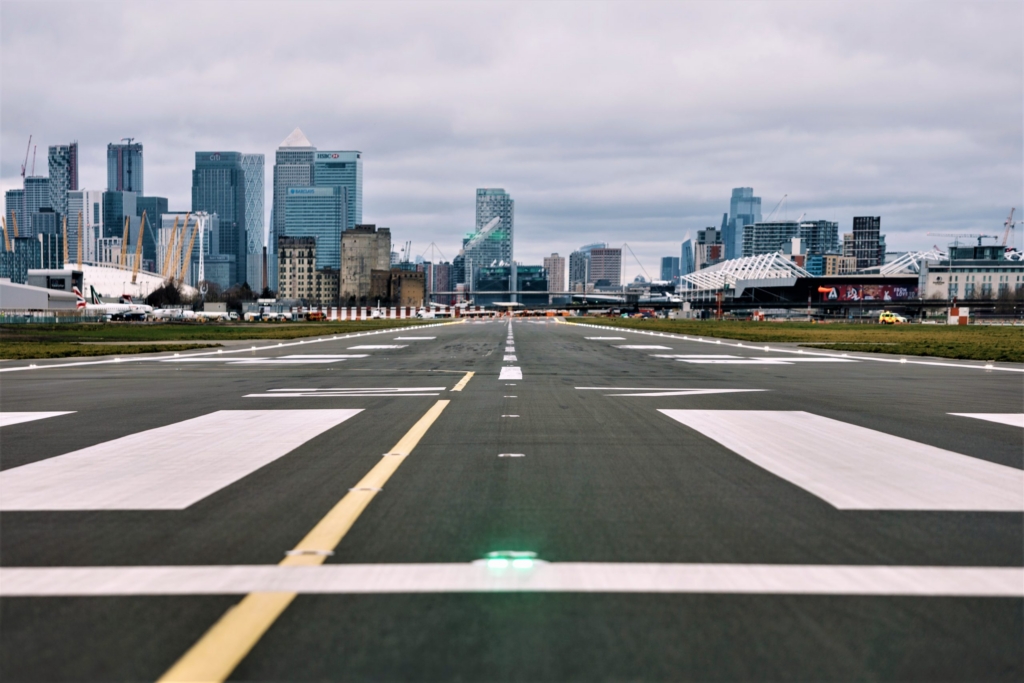
London City introduced drop-off charges in 2026. Its £8 fee for five minutes is equivalent to £1.60 per minute, the highest rate among the airports surveyed.
All 20 of the UK’s busiest airports now charge drivers to drop passengers close to their terminals. Before the pandemic, six offered free terminal drop-offs.
RAC welcomes scrutiny of airport charges
The RAC, which has campaigned against rising airport drop-off fees, welcomed the government’s decision.
In a statement issued on 14 October, RAC senior policy officer Rod Dennis said:
“This will be music to the ears of drivers, as we know airport drop-off charges are a growing source of anger and frustration. We’ve brought national attention to the issue by calling out these fees over many years, so are pleased they will now be scrutinised.”
Dennis said four in five drivers surveyed by the RAC considered the charges a “rip-off”, while only one in 10 understood why airports imposed them.
The organisation also questioned the difference between UK airport practices and those overseas. Its research found that none of the 10 busiest airports in the European Union charge drivers to drop passengers close to terminals.
How are airport drop-off charges regulated?
Airport operators generally set their own parking and drop-off fees, subject to consumer and competition law.
A House of Commons Library briefing, published ahead of a parliamentary debate in January 2026, confirmed that the Civil Aviation Authority (CAA) does not specifically regulate airport drop-off charges. Its regulation mainly covers airline charges and airport service standards.
Then Minister for Aviation, Maritime and Security Mike Kane MP said in 2025 that the government did not plan to regulate drop-off charges at airports.
“The provision and charging of car parking at airports (including drop-off and pick charges) is a matter for the airport operator as a commercial business to manage and justify,” Kane said at the time.
In a parliamentary answer in June, Aviation Minister Keir Mather said the DfT did not intend to hold discussions with the Competition and Markets Authority about airport operators increasing charges above inflation.
He also referred to a 2016 CAA review which found insufficient evidence to justify intervention in airport surface-access charging arrangements.

The newly announced government review follows further increases in charges during 2026.
Airport operators maintain that drop-off charges help manage congestion, encourage public transport use and support airport operations. Many provide free alternatives in more distant car parks, sometimes with shuttle-bus connections.
The government has not announced any immediate restrictions on charges or confirmed that the review will lead to statutory price controls.
AirportsUK defends drop-off fees
AirportsUK chief executive Karen Dee defended the charges, saying revenue from premium drop-off services formed part of airports’ business models and helped support flight connectivity.
In comments reported by Sky News, Dee also noted that UK airports are generally privately owned, unlike many overseas airports that receive public subsidies or tax exemptions.
The review is expected to take 12 months and could examine affordability, passenger behaviour and how airports spend revenue from drop-off charges, estimated at £300 million annually.
Sign up for our newsletter and get our latest content in your inbox.
Similar Reads

Sign up for our newsletter. Select all sectors relevant to you.
Related