British Army seeks new power technologies for drone-heavy battlefield


The Ministry of Defence has revealed that its UKDI has launched a new Tactical Power Challenge to find solutions to improve the generation, storage, distribution and management of electrical power for the British Army.
The effort is being conducted in partnership with Australia’s Advanced Strategic Capabilities Accelerator (ASCA). The two countries’ efforts are considered to be parallel to each other.
ASCA’s mission is defined as “to accelerate the development and transition of asymmetric capabilities to the Australian Defence Force through innovation, in order to meet Defence priority needs.”
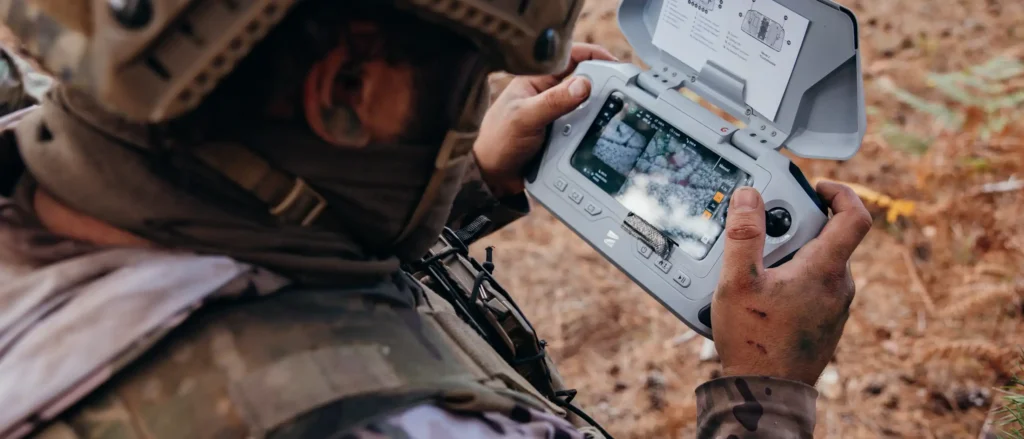
The British Army is working to find ways to reduce its dependence on noisy and logistically demanding fuel-powered generators to silent alternatives with better power shortage.
What the Tactical Power Challenge includes
The British Tactical Power Challenge consists of two complementary efforts. One is the Innovative Tactical Power and the second is Immediate Power.
The former is a two-stage funded competition that seeks technologies at Technology Readiness Levels (TRL) 4 to 6 that can be developed into future tactical power capabilities. Funding is available up to £2.45 million; project activity is expected to conclude by March 2028.
Immediate Power is a non-funded market engagement looking for technologies already at TRL 6 or above. These should have the potential to address current operational requirements.
One of the technologies being sought is safe alternatives to lithium-ion battery chemistries with equal or greater energy density and high-speed charging technologies.
Other areas of interest are high-speed charging technologies, power storage, soldier-carried and localised power generation capabilities, and more.

While not covered by the programme, it is worth mentioning that the British Army has launched its Light Mobility Vehicle (LMV) effort to replace the Range Rover. Among the contenders is Fering Technologies pitching its hybrid electric Pioneer X.
Being hybrid electric, its bid appears to stand out. Fering says that Pioneer X can deliver up to 60kWh of power for onboard electrical systems, which will enable self-sufficient missions in areas where “infrastructure and external logistics support is limited or non-existent.”
Why increased power generation and storage is needed
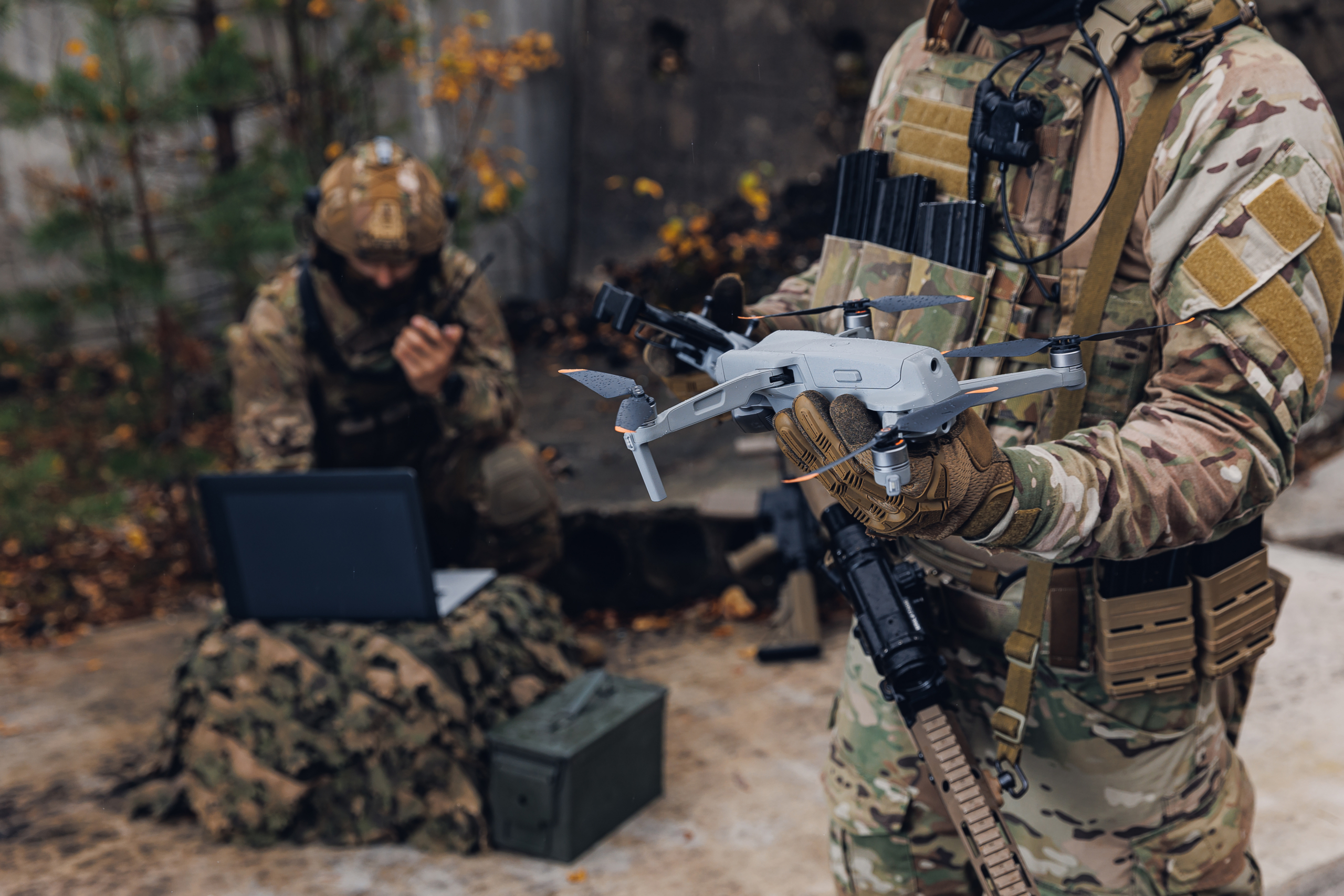
Technologies being sought by the UKDI include advanced energy storage and rapid charging, as well as novel power generation systems across the tactical battlespace. Modern digital and autonomous capabilities are rapidly increasing the battlefield power requirements of a modern army.
Current electrical power generation is heavily reliant on more than 4,000 fuel-powered Lightweight Field Generators, which are noisy, difficult to transport, and require a significant fuel logistical tail.
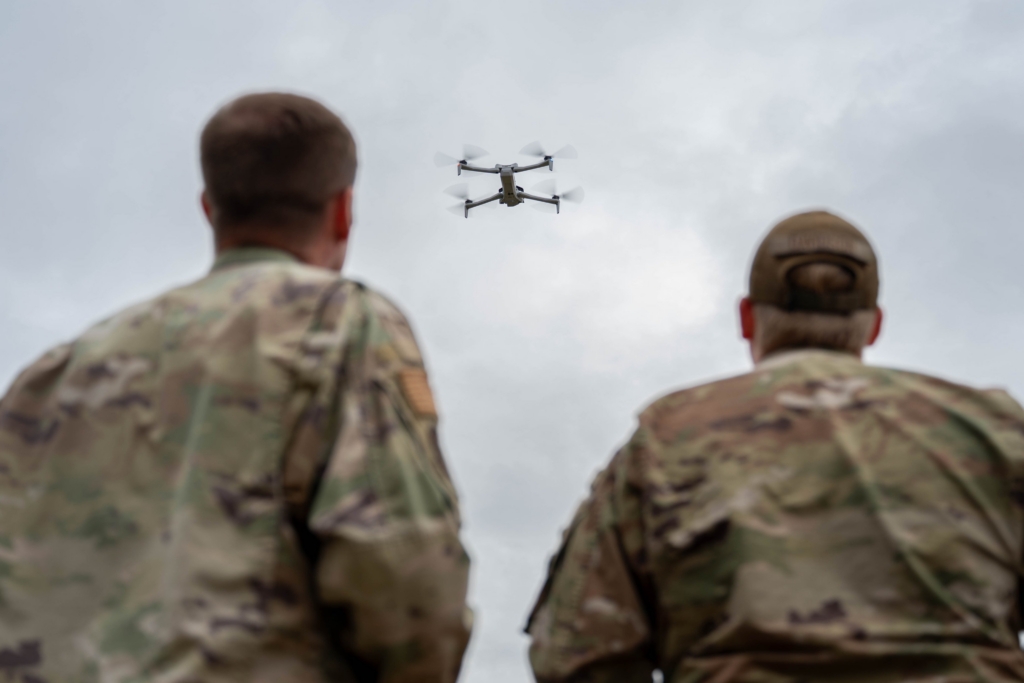
Director Innovation responsible for UK Defence Innovation, John Cunningham, noted, “Reliable and deployable power is fundamental to maintaining operational advantage.”
Electrical power is needed to enable an increasing range of important capabilities ranging from communications systems, uncrewed systems, sensors, electronic warfare equipment, counter-UAS technologies, and edge computing
Sign up for our newsletter and get our latest content in your inbox.
Similar Reads


Sign up for our newsletter. Select all sectors relevant to you.
Related