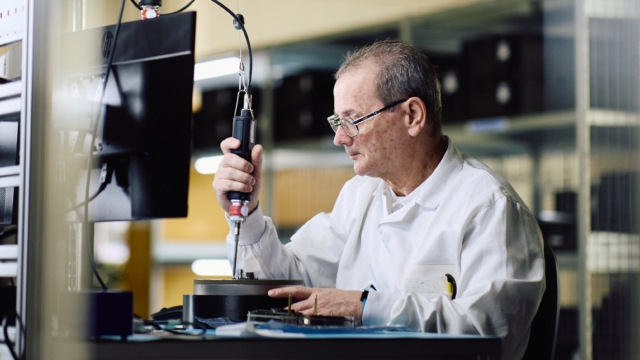
Filton recognised by AIAA as Historic Aerospace Site

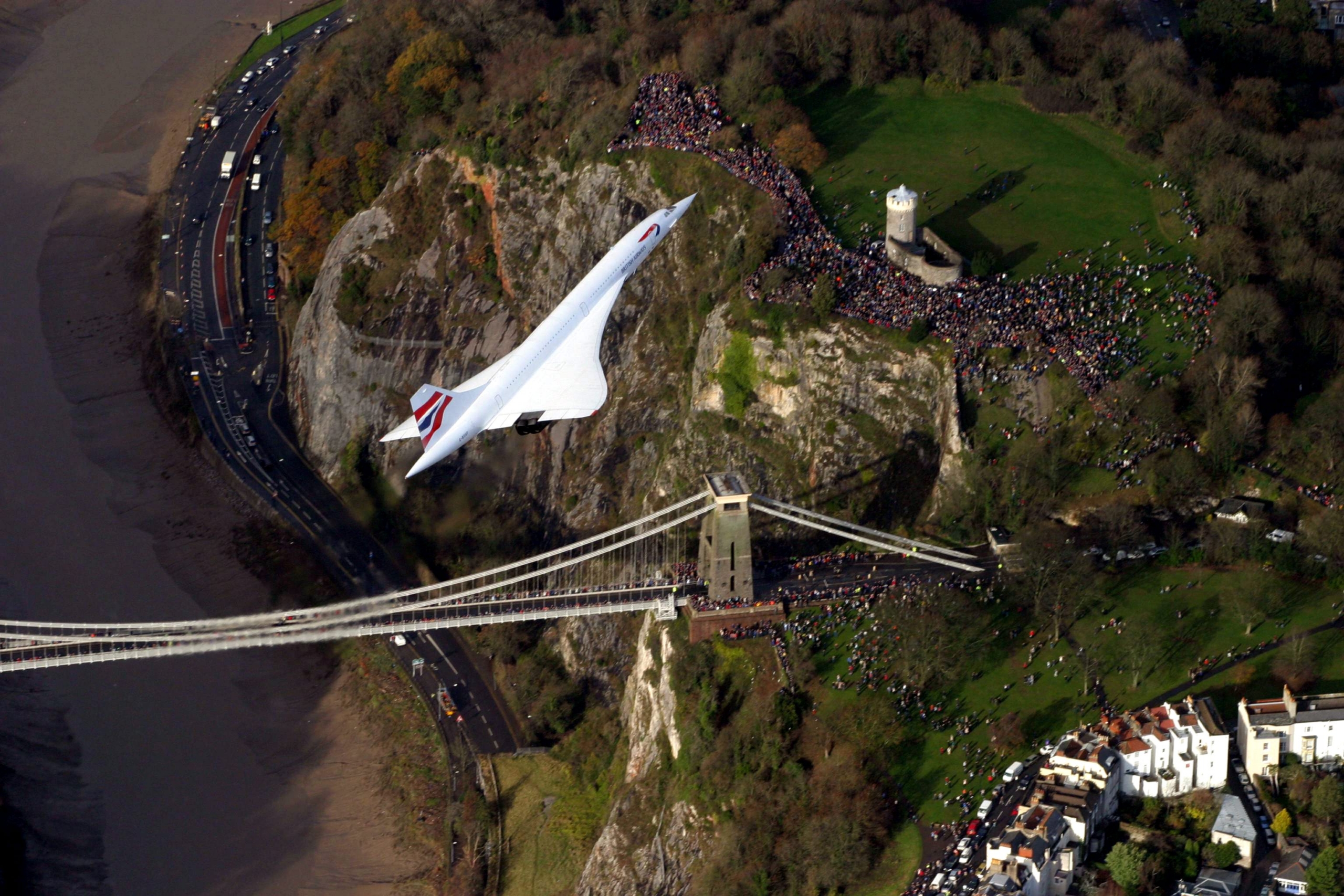
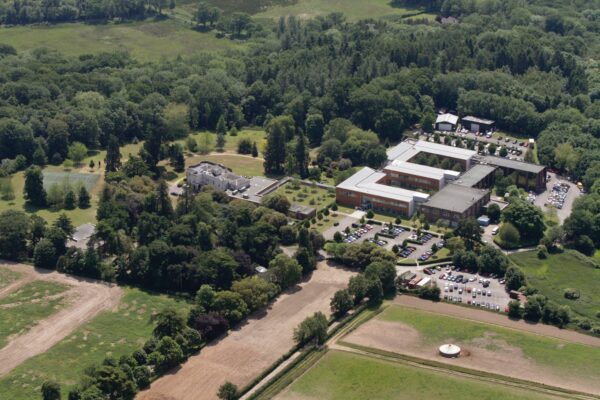
Filton’s place in global aviation history has been internationally recognised, as the American Institute of Aeronautics and Astronautics (AIAA) names the historic Filton Site and Airfield a Historic Aerospace Site, highlighting its extraordinary contribution to aviation since 1910.
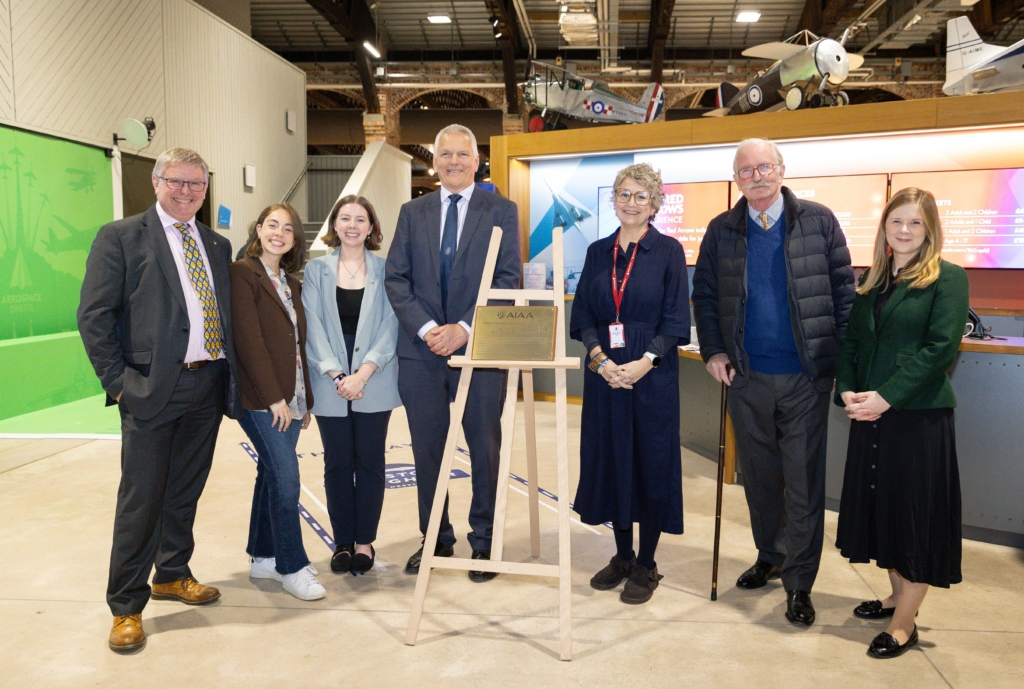
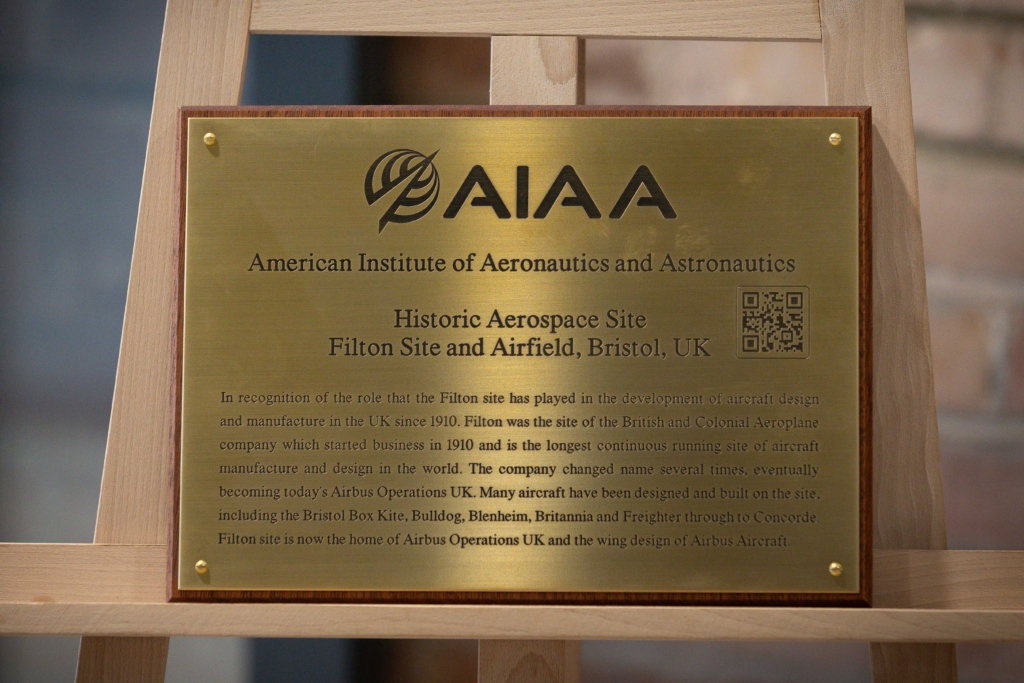
Filton’s remarkable aviation story was officially commemorated with the AIAA unveiling a plaque at Aerospace Bristol yesterday evening, with the plaque wording naming the Filton Site and Airfield as the longest continuously operating site of aircraft manufacture and design in the world.
The recognition celebrates Filton’s role in aircraft design and manufacture dating back to 1910, when the British and Colonial Aeroplane Company was established at the site. Over the following 115 years, the Filton Site and Airfield became associated with some of the most significant developments in aviation, from pioneering early aircraft to Concorde and the modern Airbus programme.
Sally Cordwell, CEO of Aerospace Bristol, said: “We’re delighted that the world’s largest aerospace society is shining a light on Filton’s extraordinary place in aviation history, alongside the generations of people whose skills and ambitions have made it what it is today.
“Filton’s story stretches from the earliest days of powered flight to the booming aerospace industry continuing to innovate here now. We are truly proud that Aerospace Bristol can play its part and help people to discover and connect with this heritage, celebrating the people and achievements behind it.”
Where Filton’s illustrious history began
The AIAA’s Historic Aerospace Sites programme recognises locations around the world associated with significant aerospace achievements, programmes and individuals, helping to share their importance with the public and the wider aerospace community.
The commemorative plaque was unveiled at Aerospace Bristol yesterday evening to mark the international recognition and celebrate the generations of engineers and innovators whose ingenuity and expertise have shaped the site’s incredible history.
The Filton Site and Airfield’s story began with early aircraft such as the Bristol Boxkite and Bristol Scout, going on to encompass iconic designs including the Bristol Bulldog, Blenheim and Britannia.
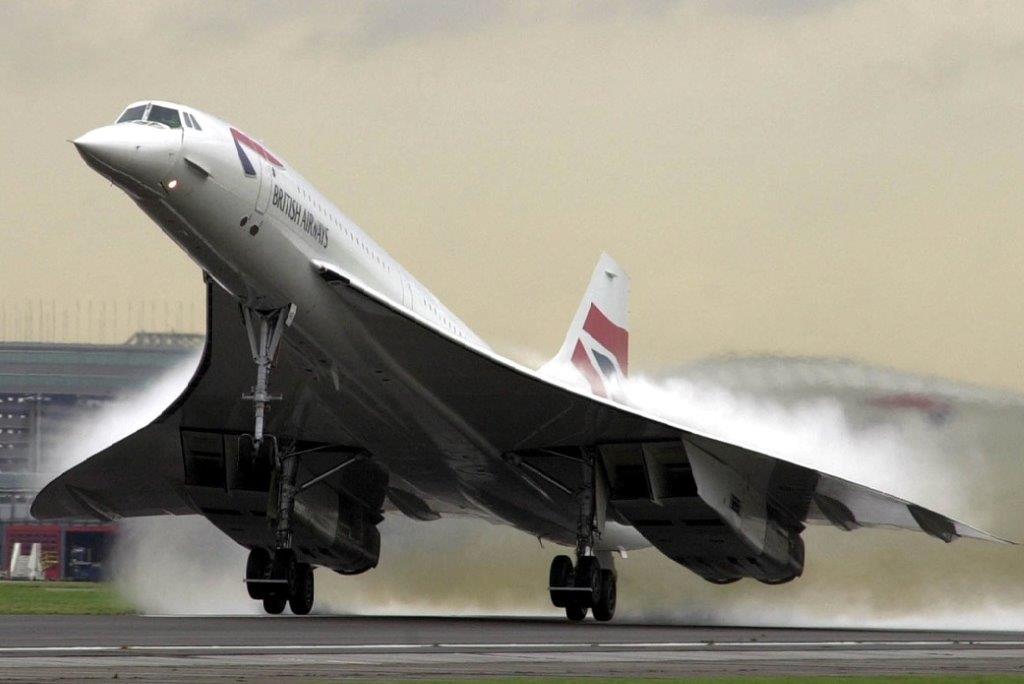
The site also played an important role in the development of Concorde, the supersonic passenger aircraft and continues to contribute to aerospace engineering today through Airbus’s work in Filton.
The nomination was made by Professor Jonathan Cooper, the Airbus Sir George White Professor of Aerospace Engineering at the University of Bristol, who highlighted the site’s unique place in the history of aircraft design and manufacture around the world.
A key contributor to aerospace innovation and the development of Concorde
Professor Jonathan Cooper, University of Bristol, said: “What makes Filton particularly interesting is not just the aircraft that have come out of it but the continuity of innovation for over a century.
“The same site that produced some of the earliest known aircraft in Britain, went on to play a role in the development of Concorde and still shapes the future of aviation today. That is a rare legacy in aerospace and this recognition is a chance to celebrate generations of designers, engineers and skilled people whose work has kept Filton firmly at the forefront of the industry.”
The plaque unveiled at Aerospace Bristol was followed by a talk on Filton’s history by Sir Iain Gray, chair of Aerospace Bristol’s board, with the event bringing together people from across the aerospace community.
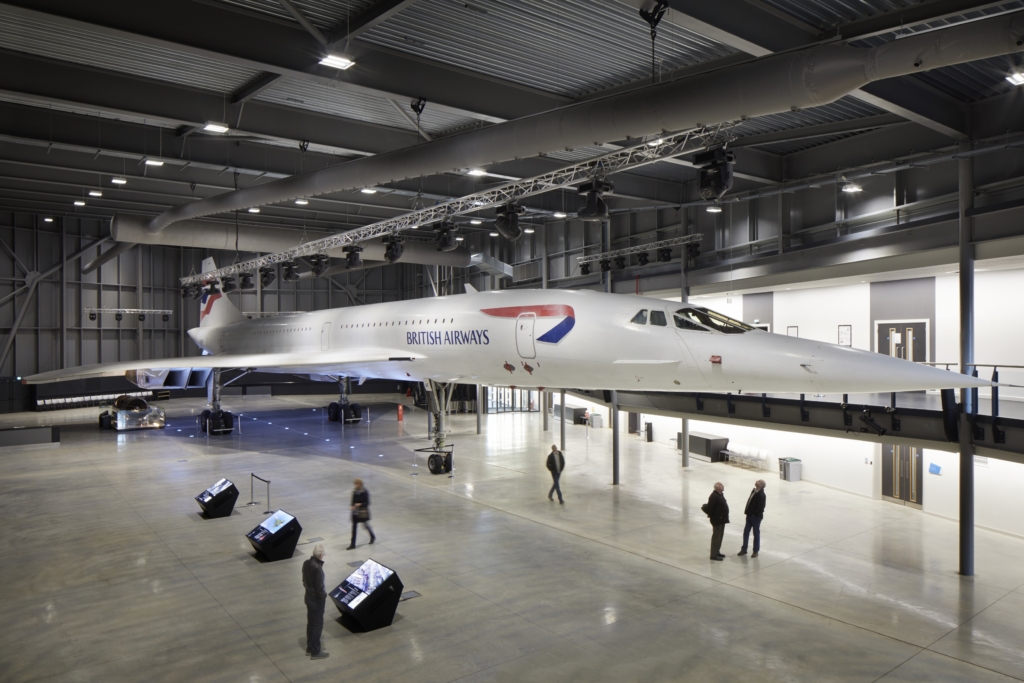
Aerospace Bristol tells the story of more than a century of aviation innovation, from the early days of aircraft manufacture to the development of Concorde, whose final production aircraft, Concorde Alpha Foxtrot, is on display at the museum.
Sign up for our newsletter and get our latest content in your inbox.
Similar Reads


Sign up for our newsletter. Select all sectors relevant to you.
Related