Royal Navy leads AUKUS submarine-hunting trials using autonomous systems


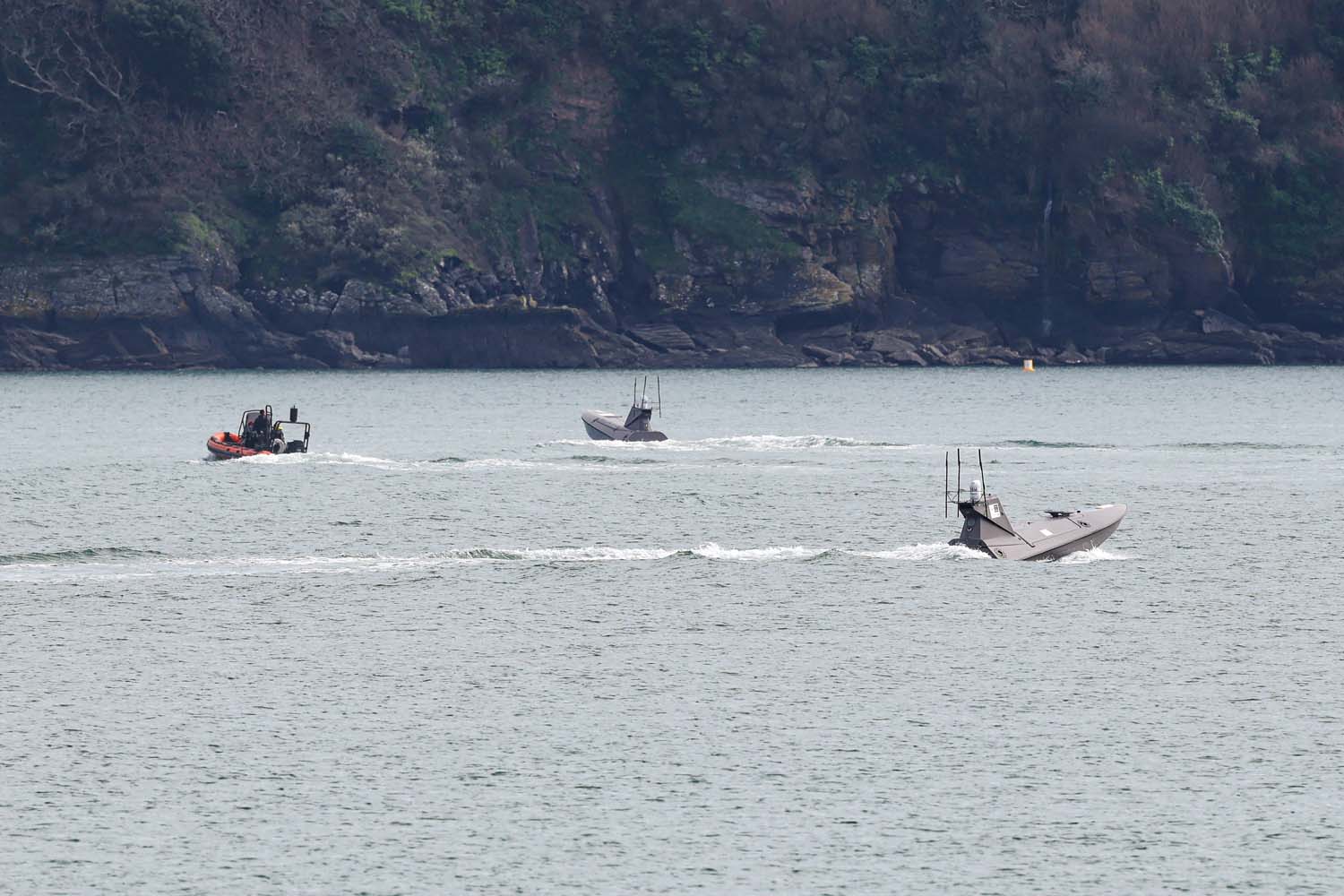
The Royal Navy is leading a major series of anti-submarine warfare trials in San Diego, bringing together crewed and autonomous systems as the UK, Australia and the US seek to improve their ability to detect, track and respond to underwater threats.
The trials form part of Maritime Big Play, described by the Royal Navy as the largest demonstration of interoperable maritime autonomous systems undertaken by the three AUKUS partners.
More than 40 government and industry technologies are being demonstrated throughout October, with the UK responsible for the anti-submarine warfare element.
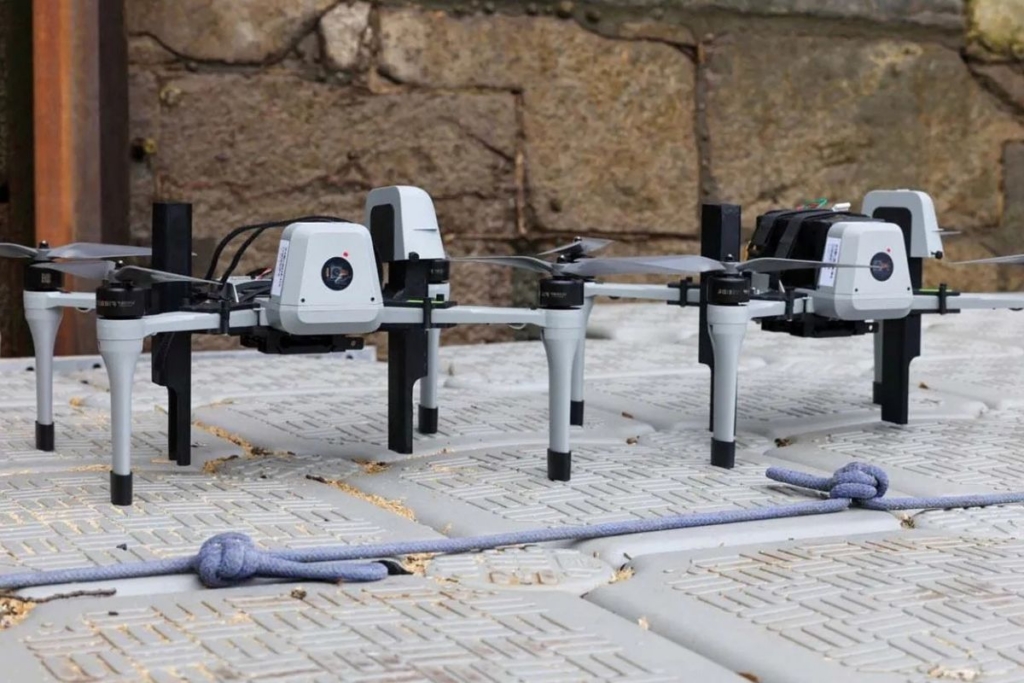
The Royal Navy has brought uncrewed surface vessels, underwater gliders, drones and subsea vehicles to the event. The aim is to establish how information collected by different platforms can be shared and used by allied forces, allowing manned warships and autonomous equipment to operate as a coordinated force.
What is Maritime Big Play?
The experiments are taking place under Pillar II of AUKUS, which focuses on advanced military technologies rather than the nuclear-powered submarine acquisition programme covered by Pillar I.
Second Sea Lord Vice-Admiral Paul Beattie said the demonstrations were intended to prove that the three navies could work together using increasingly sophisticated autonomous equipment.
“Maritime Big Play demonstrates the real, tangible progress we are making with our AUKUS partners to deliver cutting-edge autonomous capability at sea,” he said.
“This is about more than technology on display, it’s about proving that our forces can operate together seamlessly, sharing data and combining assets to stay ahead of future threats.”
The exercise covers four operational areas: anti-submarine warfare, lethality, contested resupply, and subsea and seabed warfare. The trials are examining not only how autonomous systems perform individually, but how they can contribute to a larger naval force.
For anti-submarine warfare, the challenge is particularly demanding. Finding and following a submarine requires information from different sensors, often operating across large stretches of ocean. Uncrewed platforms could help extend surveillance without requiring a warship or crewed aircraft to remain continuously in the same area.
The value of these systems, however, depends on whether the information they collect can reach the right operators quickly enough to support decisions.
“The Royal Navy is proud to lead the way on anti-submarine warfare within this partnership, and I look forward to seeing how this collaboration continues to grow in the months ahead,” Beattie said.
UK plans larger autonomous submarines under AUKUS
The San Diego demonstrations come as the Royal Navy moves ahead with plans for a new class of extra-large uncrewed underwater vehicles, designated Type 93.
In a preliminary market engagement notice published on 12 October, the Ministry of Defence invited companies to register their interest in supplying the vehicles, their payloads and the technologies needed to operate and maintain them.
The Royal Navy is initially considering underwater platforms approximately 12 metres long and two metres in diameter, although suppliers offering other sizes are also being encouraged to respond.
The notice covers much more than the vehicles themselves. The Navy is seeking information from companies developing artificial intelligence, autonomous navigation, mission management software, payload integration and long-term support services.
The proposed Type 93 capability is intended to support the Royal Navy’s transition towards what it calls a Hybrid Navy, combining conventional crewed vessels with autonomous systems.
The Royal Navy has indicated that Type 93 vehicles could operate alongside crewed hunter-killer submarines to help locate and engage hostile submarines. Such vehicles could potentially undertake surveillance or other missions without exposing a crew to the same risks as a conventional submarine.
The October notice is an early market consultation, not a contract award or a formal commitment to buy the vehicles. The MoD has not announced a confirmed procurement value or delivery timetable.
Companies have been asked to submit initial expressions of interest by 29 October, although registration will remain open during the engagement programme, which runs until March 2027.
The Royal Navy may subsequently invite selected suppliers to workshops, individual meetings and requests for information.
The programme also forms part of the UK’s commitments to the AUKUS Pillar II Signature Project, which seeks to develop shared autonomous underwater capabilities.
Earlier trials laid the groundwork
The latest demonstration follows a series of experiments aimed at overcoming one of the biggest obstacles to multinational autonomous operations: getting equipment developed by different countries to communicate and share information reliably.
In June 2025, Royal Navy personnel participated in the Coalition Warrior Interoperability Exercise (CWIX) in Poland, where AUKUS partners tested how information gathered by autonomous and uncrewed systems could be transferred between national computer networks.
The experiments, conducted under Maritime Big Play, demonstrated that data from different platforms could be brought together and made available to personnel from other partner nations.
This matters because an underwater vehicle detecting a potential submarine is of limited operational value if its information cannot be passed quickly to the warship, aircraft or command centre responsible for responding.
Captain Keith Taylor, the Royal Navy’s UK Senior Responsible Owner for Maritime Big Play, explained the significance of the work at the time.
“As part of AUKUS Pillar 2, Maritime Big Play is helping accelerate the introduction and integration of remote and autonomous systems into our existing forces, offering a game-changing increase to the mass, persistence and lethality of our current capabilities,” he said.
“This experimentation in CWIX will help unlock the ability to seamlessly share data between AUKUS nations, ensuring that as we introduce these new technologies, we remain fully interoperable and able to operate as an effective collaborative force.”
The UK contracted Nottingham-based technology company Nexor to continue developing the systems tested during the exercise for the benefit of the three AUKUS partners.
That earlier work is directly relevant to the San Diego demonstrations, where the focus has moved towards testing how a wider range of autonomous platforms can contribute to operational missions.
The Royal Navy says the three countries have spent the past three years developing shared command-and-control arrangements and secure communications intended to connect platforms operating from the seabed to the upper atmosphere.
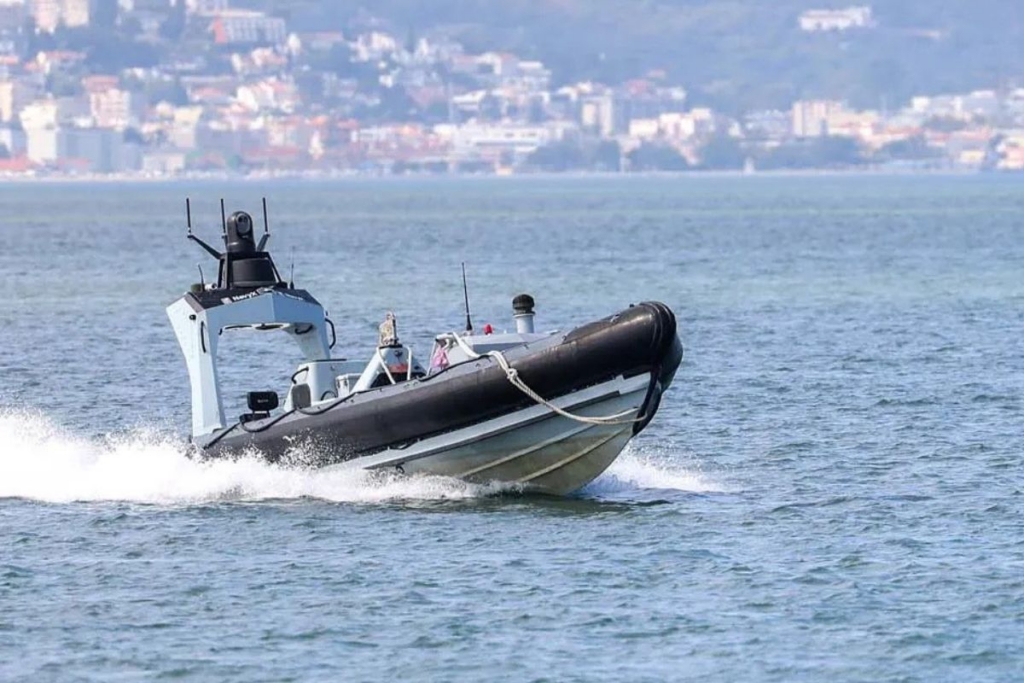
The programme has also included the firing of a US torpedo from the Royal Navy’s experimental uncrewed submarine XV Excalibur, a demonstration of how autonomous underwater vehicles could eventually take on roles beyond surveillance and reconnaissance.
The current trials are intended to build on those developments, examining how the three navies can combine autonomous systems with existing warships and submarines rather than operate them as separate experimental assets.
For the UK, the importance extends beyond the equipment being demonstrated in California. The Royal Navy is seeking to introduce autonomous platforms into a fleet that must undertake surveillance, submarine hunting and other demanding operations while making effective use of its available crewed vessels.
Whether the technologies being tested can be integrated reliably into routine naval operations will be an important measure of Maritime Big Play’s success.
The San Diego trials, together with the Type 93 programme, show how the UK is approaching that challenge through both international collaboration and the development of its own future underwater capabilities.
Sign up for our newsletter and get our latest content in your inbox.
Similar Reads

Sign up for our newsletter. Select all sectors relevant to you.
Related