Why can’t the aerospace industry simply build more aircraft?


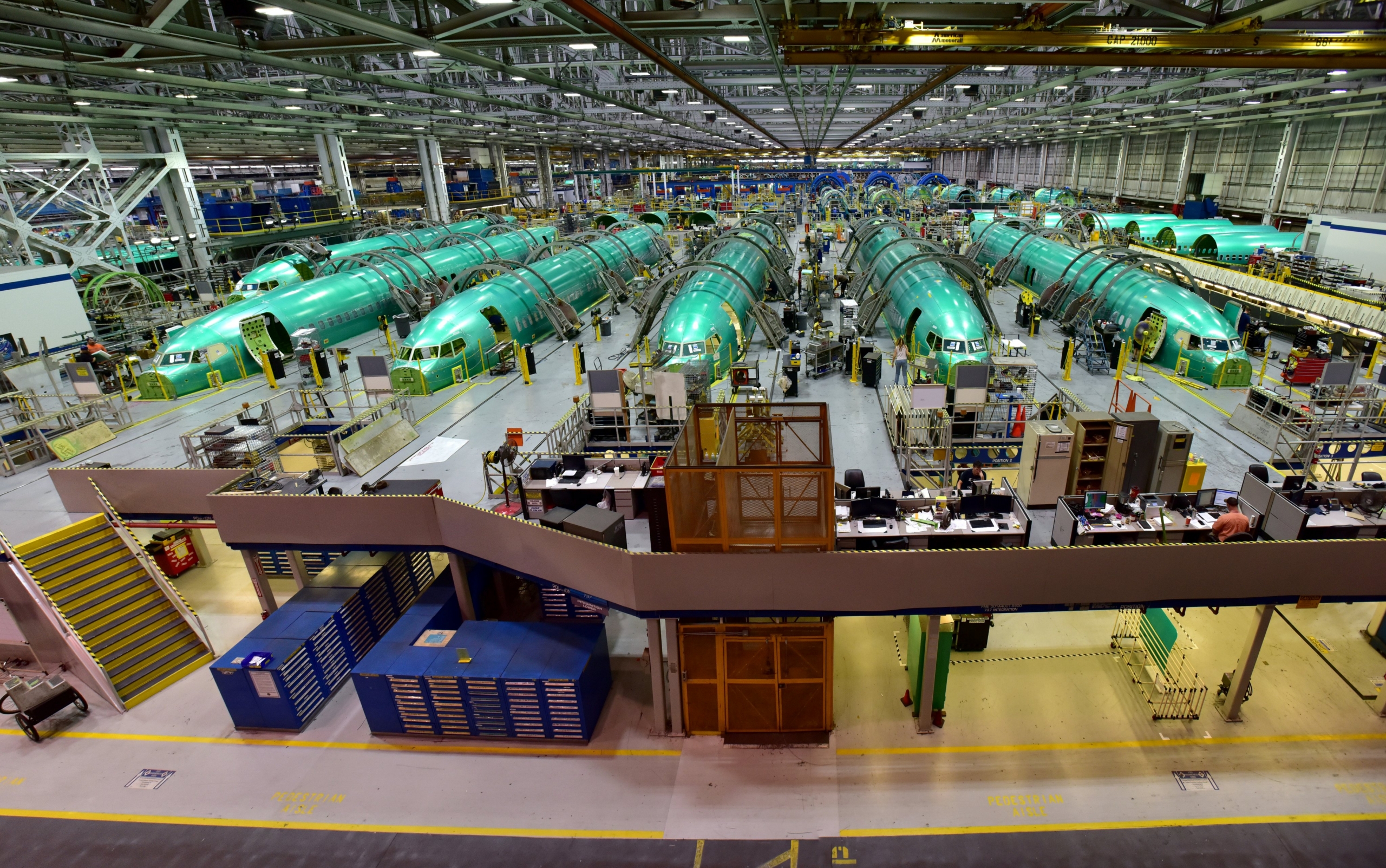
According to figures published by ADS, the global commercial aircraft backlog reached a record 17,037 aircraft in July 2026, highlighting the challenge facing an aerospace industry struggling to meet unprecedented demand. Airbus, Boeing and other manufacturers have thousands of aircraft on order, yet deliveries continue to lag behind what airlines need.
The solution might seem simple: increase factory output, recruit more workers and build more planes. But aircraft manufacturing depends on a complex global network of suppliers, specialist materials, skilled workers and tightly controlled production processes. If one critical component is missing, an entire aircraft can be delayed.
The report The Global Aerospace Supply Chain in 2026, produced by Roland Berger in collaboration with ADS Group and European aerospace associations, explains why the industry cannot simply increase production overnight.
Based on a survey of 95 aerospace companies, the report highlights persistent material shortages, capacity constraints, workforce challenges and financial pressures. Although many businesses feel better prepared for increased production, significant obstacles remain.
Shortages of engines and critical components
Aircraft contain millions of individual parts sourced from suppliers around the world. Manufacturers can have assembly lines ready to operate, but production will stall if essential components fail to arrive.
Engines are a particularly important constraint. Their manufacture requires specialist engineering, precision components and extensive testing. Engine manufacturers must increase production while also supplying spare parts and supporting maintenance for aircraft already in service.
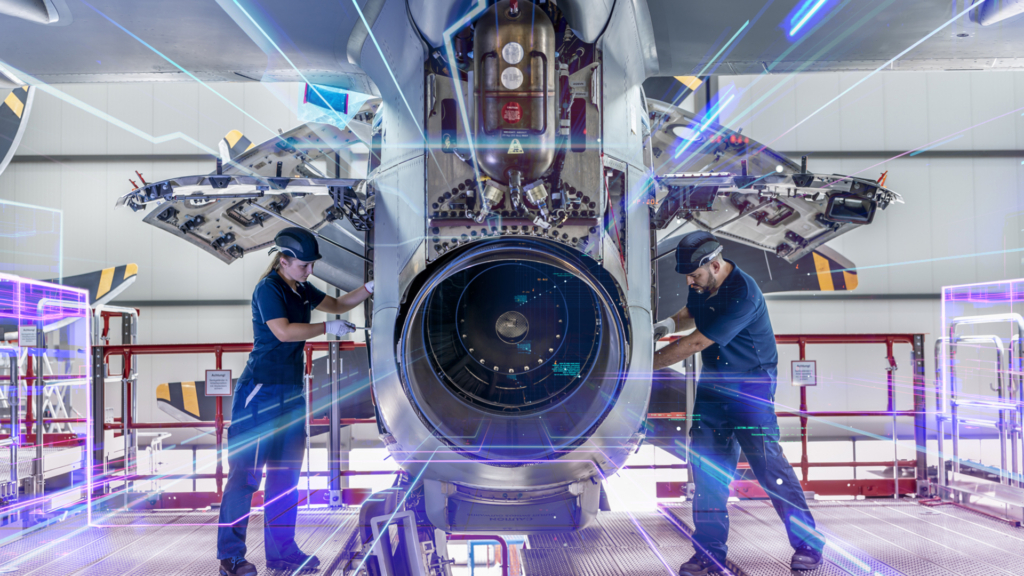
Other critical components, including avionics, landing gear and electrical systems, face similar challenges. Their production relies on specialised equipment, skilled workers and lengthy manufacturing processes. Switching to alternative suppliers is rarely straightforward because components must meet demanding safety and quality requirements.
The report highlights continuing disruption across the supply chain, with 55% of surveyed companies still facing material shortages.
These problems demonstrate why aircraft manufacturers cannot increase production independently of their suppliers. Even if Airbus or Boeing expands its assembly capacity, output will remain restricted if engine makers and component manufacturers cannot deliver the necessary parts.
Critical raw materials are increasingly difficult to secure
Aircraft manufacturing depends on specialist materials, including titanium, high-performance alloys, advanced composites and rare earth elements. These materials must meet strict technical specifications and cannot easily be replaced by conventional alternatives.
Supply can also be concentrated in particular countries or regions, leaving manufacturers vulnerable to geopolitical tensions, trade restrictions and transport disruption. According to the 2026 report, around 80% of surveyed companies anticipate constraints involving critical raw materials.
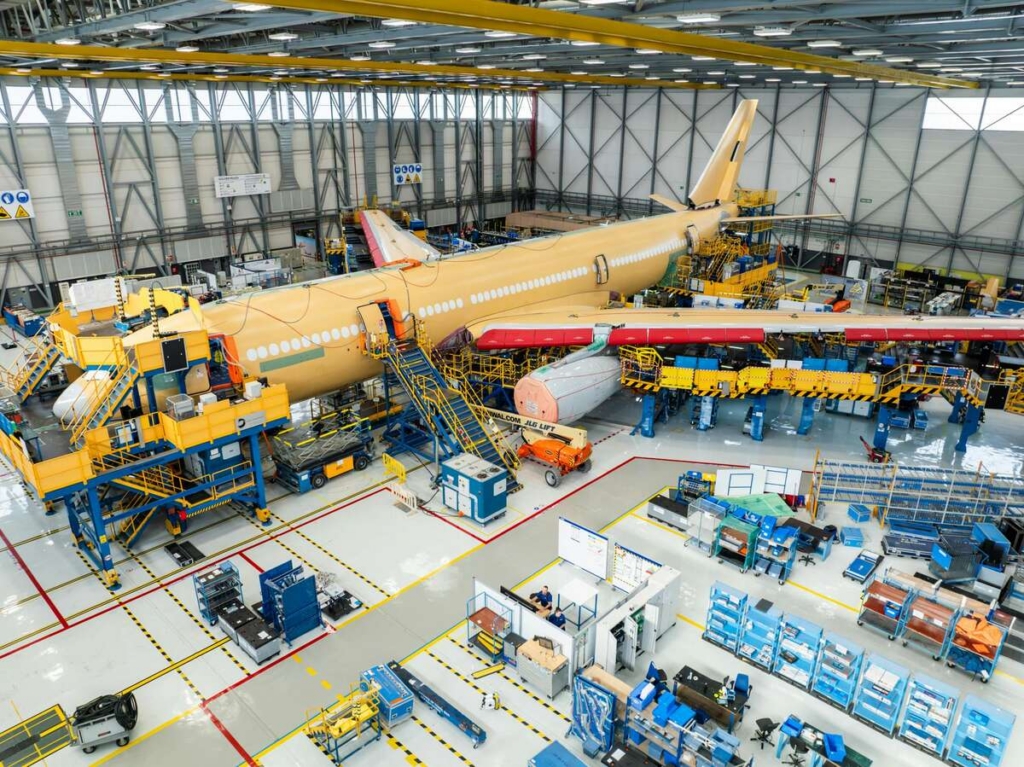
Shortages can have consequences throughout the supply chain. If a supplier cannot obtain a particular alloy, for example, it may be unable to manufacture a component, delaying production for the aircraft manufacturer and potentially affecting other suppliers further downstream.
Increasing raw material availability takes time. New production facilities must be developed, alternative sources secured and materials qualified for aerospace applications. These processes require investment and careful testing.
Companies can protect themselves by diversifying suppliers and holding larger inventories, but both approaches have costs. Additional stock ties up capital, while developing alternative sources requires time and resources.
Skilled workers cannot be recruited overnight
Aircraft manufacturing requires specialist expertise in engineering, machining, materials science, quality assurance and production management. Workers need extensive training to manufacture complex components and meet strict safety standards. Recruiting more people does not immediately solve a skills shortage, particularly where experienced engineers and technicians are needed.
The report identifies workforce availability and upskilling as continuing challenges. Companies must expand their workforces while maintaining existing production commitments, creating additional pressure on training and recruitment.
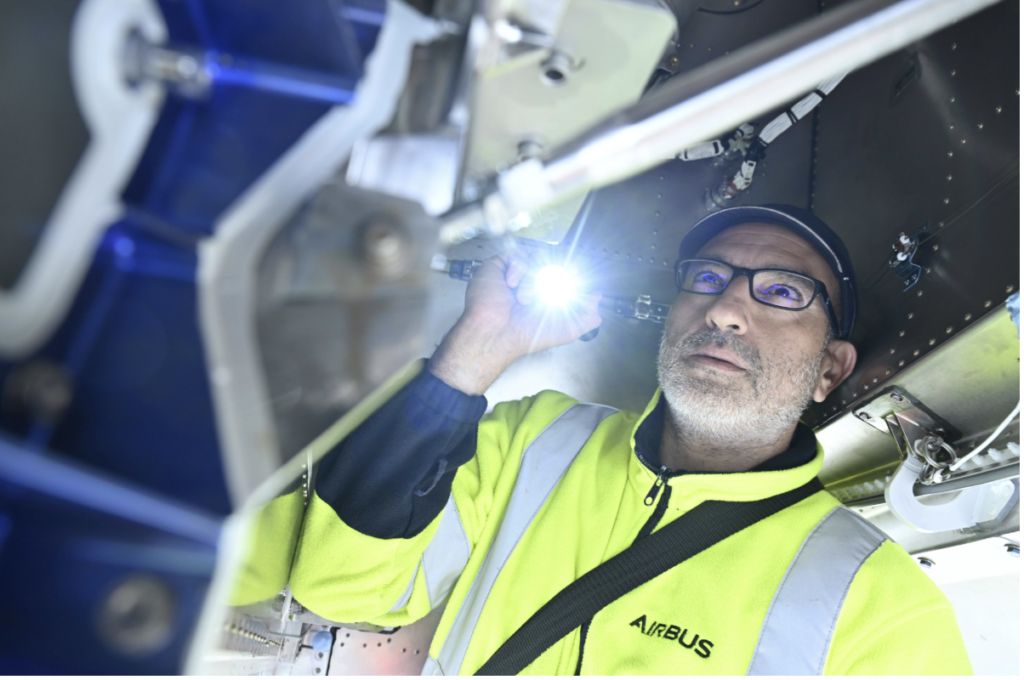
Experienced workers also possess valuable knowledge of manufacturing processes and quality control that cannot quickly be replaced.
Consequently, increasing output requires long-term workforce planning, investment in training and cooperation between employers and education providers. Without enough qualified people, additional machinery and factory space alone will not deliver the expected production increases.
Financial pressures on smaller suppliers
The aerospace industry depends on networks of smaller businesses producing specialist components and materials. Although these suppliers are essential to aircraft production, they may lack the financial resources of major manufacturers.
Expanding production requires investment in machinery, facilities, recruitment, training and additional inventory. Suppliers often need to commit this money before receiving payment for increased deliveries.
Higher inventory levels also tie up working capital, while uncertain delivery schedules make cash flow harder to manage. For smaller businesses operating on tight margins, financing expansion can be particularly difficult.
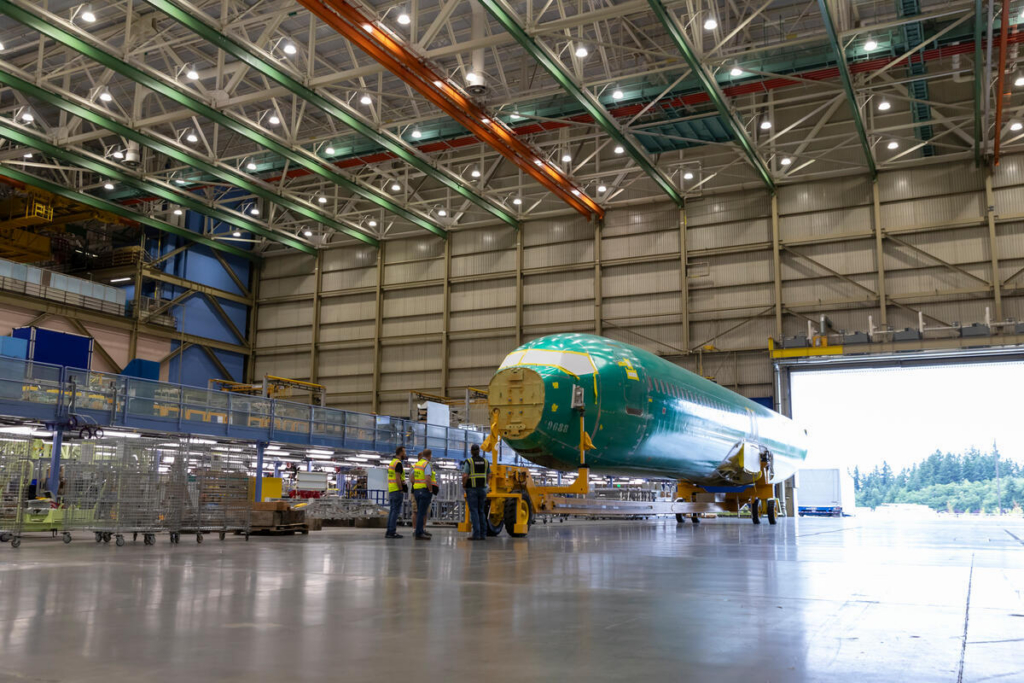
The report highlights the continuing need to strengthen capacity and investment across the supply chain. If a specialist supplier cannot afford to expand, its customers may struggle to increase production regardless of their own resources.
This makes the financial health of smaller suppliers a critical factor in the industry’s ability to meet demand. Manufacturers need their supply chains not only to produce more, but to remain financially sustainable while doing so.
Why increasing production takes years, not months
These constraints are interconnected. An aircraft manufacturer cannot increase output simply by opening another assembly line if engine deliveries remain limited or suppliers cannot obtain essential materials.
Expanding production requires coordinated investment across multiple stages of the supply chain. Businesses must secure materials, purchase equipment, recruit and train workers, increase component production and ensure that quality standards are maintained.
Aerospace manufacturing is also highly regulated. New facilities, production processes and alternative suppliers must demonstrate that they meet stringent safety and reliability requirements.
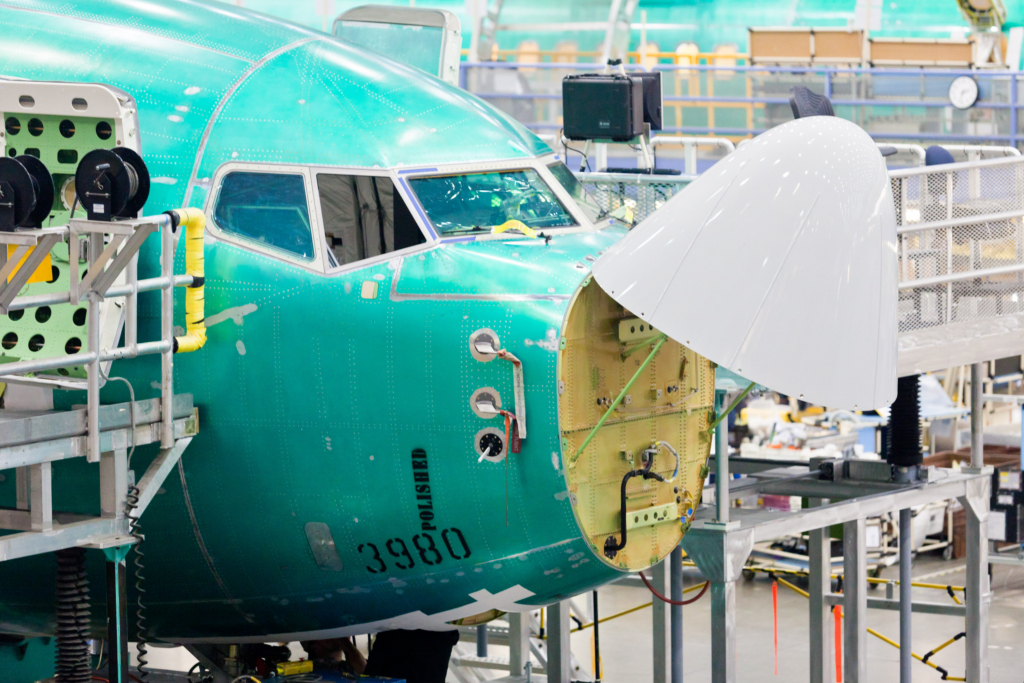
There is a further distinction between temporarily increasing output and sustaining a higher production rate. Existing facilities might produce more through improved efficiency, but maintaining that increase requires dependable supplies, sufficient staffing and investment throughout the network.
The report indicates that more than 70% of surveyed companies feel well prepared for the production ramp-up. Nevertheless, significant supply chain and capacity challenges remain. Manufacturers must also invest in the technologies and capabilities needed for future aircraft programmes while delivering current orders.
Increasing aerospace production is therefore a long-term industrial challenge, not a quick adjustment to factory output. Meaningful improvements depend on coordinated investment across the entire supply chain.
What does this mean for airlines and passengers?
For airlines, production constraints mean longer waits for new aircraft. Carriers order planes years in advance to expand their fleets, replace older aircraft and improve fuel efficiency. Delays can force them to extend leases, retain older aircraft or revise growth plans.
Older aircraft can have higher maintenance requirements and consume more fuel than newer models, increasing operating costs. Delayed deliveries can also make it harder for airlines to introduce routes or increase flight frequencies to meet passenger demand. Where capacity is limited, this may contribute to pressure on ticket prices, although fares also depend on fuel costs, competition, and wider market conditions.
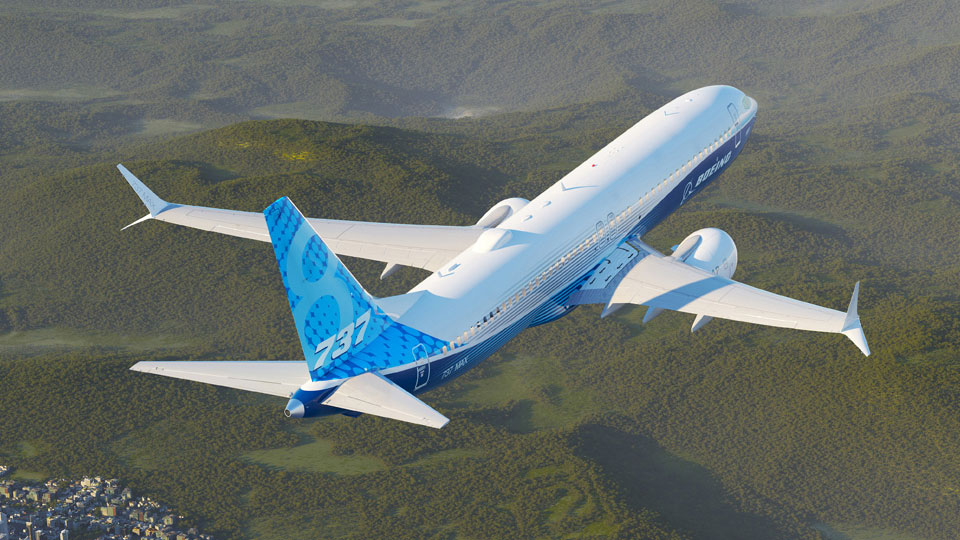
The effects extend across the aerospace industry. Suppliers face pressure to increase output, manufacturers must balance immediate delivery commitments with future investment, and airlines must adapt their operations to uncertain delivery schedules.
There is some positive news. ADS reported 794 commercial aircraft deliveries globally during the first seven months of 2026, the strongest January-to-July performance since 2018. Production is improving, even if it has not yet caught up with demand.
A stronger supply chain is ultimately the answer
The record backlog of more than 17,000 aircraft reflects strong demand for commercial aviation, but it also exposes the limits of current manufacturing capacity.
Shortages of engines, components and raw materials, combined with workforce gaps and financial pressures on smaller suppliers, prevent manufacturers from increasing production as quickly as airlines would like.

The findings of The Global Aerospace Supply Chain in 2026 show that progress is being made, but significant obstacles remain. With 55% of surveyed companies still facing material shortages and around 80% anticipating constraints involving critical raw materials, the industry must address vulnerabilities throughout its supply chain.
For Airbus, Boeing, airlines and passengers, the message is clear: building more aircraft requires more than increasing factory output. It demands sustained investment, skilled workers, reliable material supplies and financially resilient suppliers. Only by strengthening the entire production network can the aerospace industry turn its record backlog into completed aircraft.
Sign up for our newsletter and get our latest content in your inbox.
Similar Reads


Sign up for our newsletter. Select all sectors relevant to you.
Related