What does it take to supply the MOD?



Behind every major MOD defence programme is a network of businesses providing everything from specialist components and software to logistics and engineering services.
For UK small and medium-sized enterprises (SMEs), this creates exciting opportunities to bring existing skills into a new market. And, with the UK government procurement spend on the defence industry over £35 billion annually, there is great potential for serious commercial success.
The challenge is understanding how to get started, what buyers expect and whether the business is ready to take on the work.
Finding your way in
The first step is identifying contracts that suit your expertise and resources. The Defence Sourcing Portal lists advertised opportunities, while published procurement plans can help businesses spot potential work before tenders appear.
Contracts Finder also lets you search for information about contracts worth over £12,000 (including VAT) with the government and its agencies so is also well worth a look.
The Central Digital Platform Find a Tender is another useful tool. It allows businesses to search and apply for high-value contracts in the UK’s public and utilities sectors, which are usually above £139,688 including VAT.
The MOD Acquisition Pipeline also provides a forward look at potential procurement activity and Framework Agreements at MOD.
Bidding directly isn’t the only option though. Major defence contractors depend on smaller suppliers for specialist products and services.
For example, a precision engineering firm might manufacture a component for a larger equipment producer, gaining experience of defence requirements without having to manage a whole project.
Subcontracting can be a useful starting point as well, especially for businesses new to the sector. The important thing is to understand where your expertise fits and focus on opportunities that make the best commercial sense.
Getting the requirements right
No matter how good a product or service is, it won’t be enough if a business cannot meet the buyer’s requirements. Depending on the contract, these might include financial checks, quality-management processes, technical assessments and cybersecurity measures.
Cybersecurity is particularly important for companies handling sensitive information or connecting to customers’ systems. Cyber Essentials or Cyber Essentials Plus may be needed, depending on the work, so suppliers should check the specific conditions before investing in certification.
JOSCAR, a supplier assurance register used by participating defence and aerospace organisations, can also support the supplier assessment process. However, bear in mind that registration alone does not guarantee eligibility for every contract.
Businesses should also think about how they protect information, control access to IT systems and manage risks from their own suppliers. Contracts involving classified information or restricted sites may carry additional security obligations.
Understanding these requirements early helps companies budget appropriately and avoid discovering gaps when a tender is already under way.
Putting together a credible bid
A tender is an ideal opportunity to show how your business will meet the buyer’s needs. The best response should address the evaluation criteria, demonstrate relevant experience and set out a clear plan for delivering the work.
Price matters, but buyers also need confidence that the proposal is practical. Suppliers should be realistic about timescales, staffing and production capacity rather than promise more than they can deliver.

Finances deserve particular attention. For instance, a manufacturer may need to purchase materials or recruit staff before receiving payment. Working through upfront costs, payment terms and cash flow can help establish whether a contract is financially viable.
If a project is too big for one business to handle, collaborating with others can give you the extra skills and resources you need to win the contract.
Making a long-term commitment
Defence opportunities often begin with conversations well before a tender is published – after all, nothing beats networking with real people.
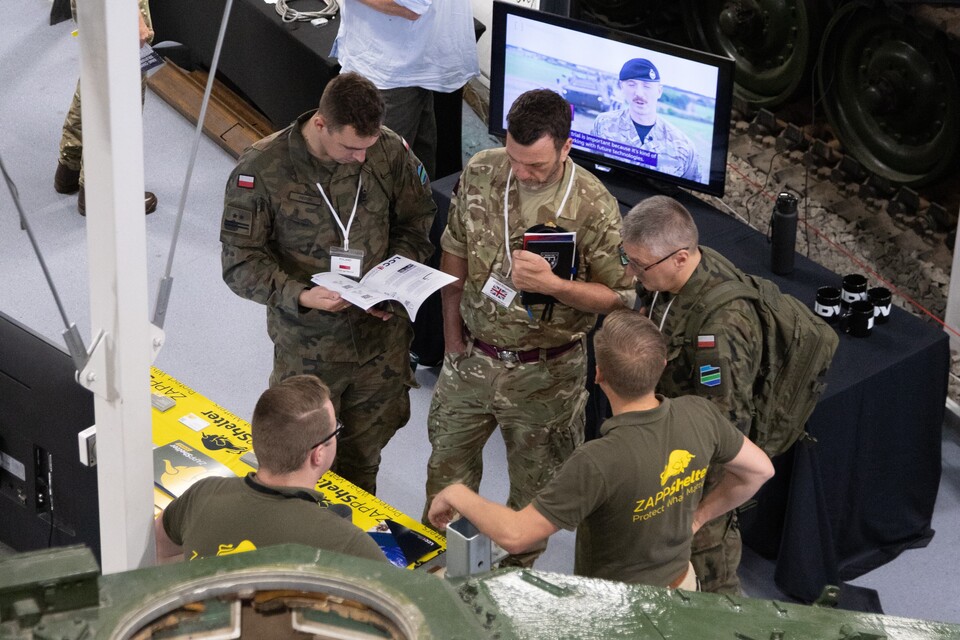
Exhibitions, supplier events and industry days give smaller businesses the chance to meet potential customers, find out what they need and make useful contacts.
They’re also a good opportunity to explain what your business does and how it could help. Having a clear idea of the problems you can solve will make it easier to find the right contracts, rather than trying to bid for everything.
Once you’ve won a contract, delivering on your promises is what matters. Meeting deadlines, doing the job to the agreed standard and keeping customers updated when problems arise can help you build a good reputation and win more work.
Supplying the MOD takes time, money and careful planning. But with the right skills and a realistic plan, SMEs can become part of the defence supply chain and play a role in supporting the UK’s defence and security.
Sign up for our newsletter and get our latest content in your inbox.
Similar Reads



Sign up for our newsletter. Select all sectors relevant to you.
Related