How the Harrier solved the problem of flying without a runway

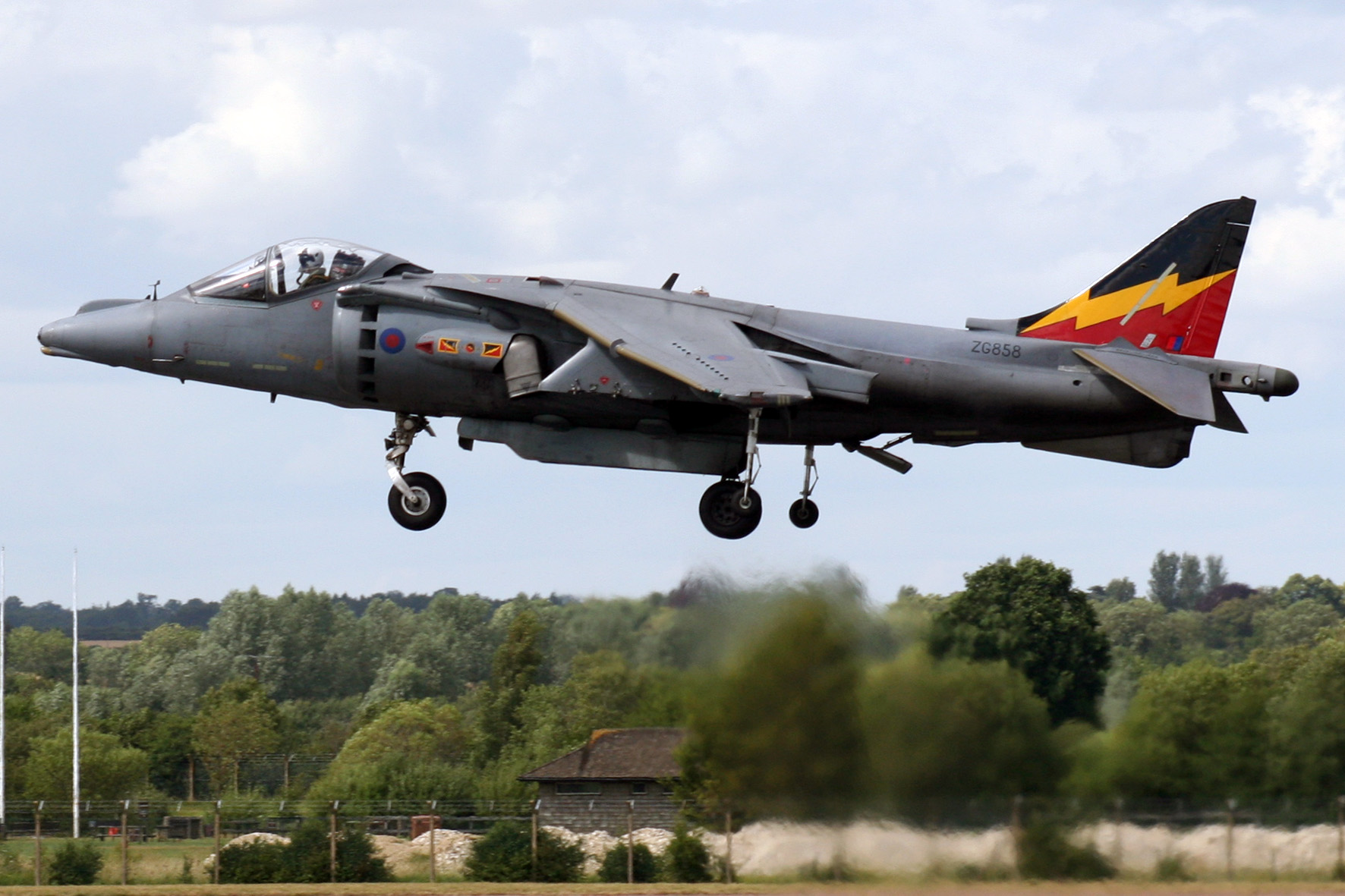
For much of aviation history, aircraft have depended on long, prepared runways to take off and land. Fast jets need particularly long stretches of tarmac to accelerate to flying speed and slow down safely after landing.
But what if a fighter aircraft could take off and land almost anywhere, without needing a conventional runway? This was the challenge that the Hawker Siddeley Harrier was designed to solve.
Through an innovative combination of jet-engine technology and aerodynamic engineering, the Harrier became one of the world’s most famous vertical and short take-off and landing (V/STOL) aircraft.
The challenge of vertical flight
The idea of an aircraft that could rise vertically like a helicopter had fascinated engineers for decades. However, making a jet fighter hover presented enormous difficulties.
A conventional jet engine produces thrust mainly backwards, pushing the aircraft forwards. To lift an aircraft vertically, the engine must instead direct enough thrust downwards to overcome the aircraft’s weight.
The problem was that simply pointing a jet engine towards the ground was not enough. The aircraft needed to remain stable while hovering. Its engine had to generate sufficient thrust, and the pilot needed precise control over its movements. Furthermore, the system had to work without making the aircraft too heavy or compromising its performance as a fighter.
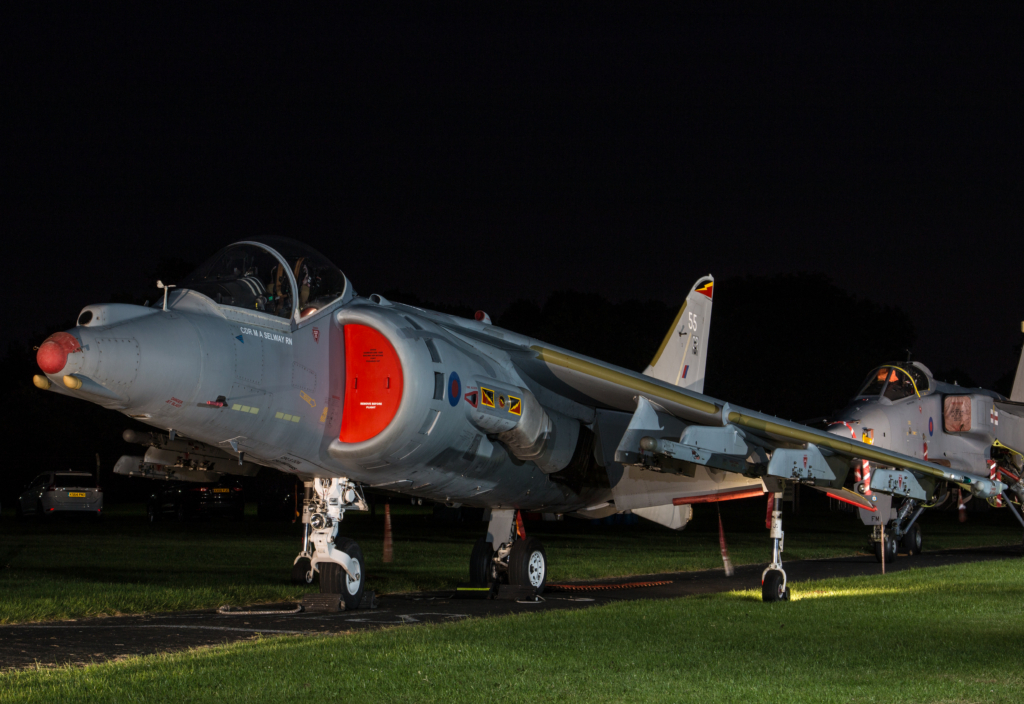
British engineer Sir Sydney Camm and the team at Hawker Aircraft helped develop the solution, building on earlier experimental work by British aviation engineers. The key breakthrough came from the development of an engine capable of directing its thrust in different directions.
The revolutionary Pegasus engine
At the heart of the Harrier was the Bristol Pegasus turbofan engine, developed under the leadership of engineer Sir Stanley Hooker, working with Michel Wibault’s earlier ideas about vectored thrust.
Unlike conventional jet engines, the Pegasus could direct its thrust through four rotating nozzles. Two were positioned towards the front of the engine and two towards the rear. During normal forward flight, the nozzles pointed backwards, propelling the aircraft forwards. For vertical take-off and landing, they rotated downwards, directing the engine’s thrust towards the ground.
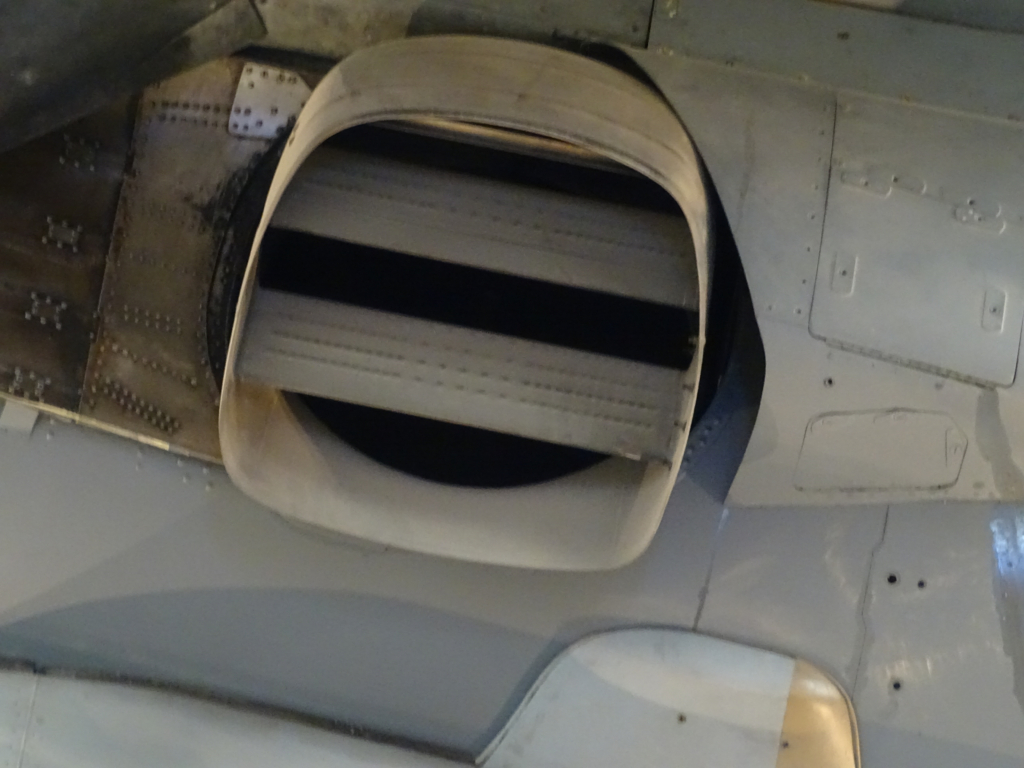
When the downward thrust equalled the aircraft’s weight, the Harrier could hover in place. By adjusting the direction and amount of thrust, the pilot could control the transition between hovering and forward flight.
This arrangement allowed the Harrier to perform vertical take-offs and landings without requiring separate lift engines. Avoiding additional engines helped reduce weight and complexity, although the Pegasus engine itself remained a sophisticated and demanding piece of engineering.
How the Harrier took off and landed
Despite its vertical-flight capability, the Harrier did not always take off vertically. Carrying a full load of weapons and fuel required more lift than its engine could provide for a purely vertical departure.
Instead, pilots frequently used a short take-off. The aircraft accelerated along a relatively short stretch of runway while its nozzles were angled partially downwards. The combination of forward speed and engine thrust allowed it to become airborne over a much shorter distance than a conventional fighter.
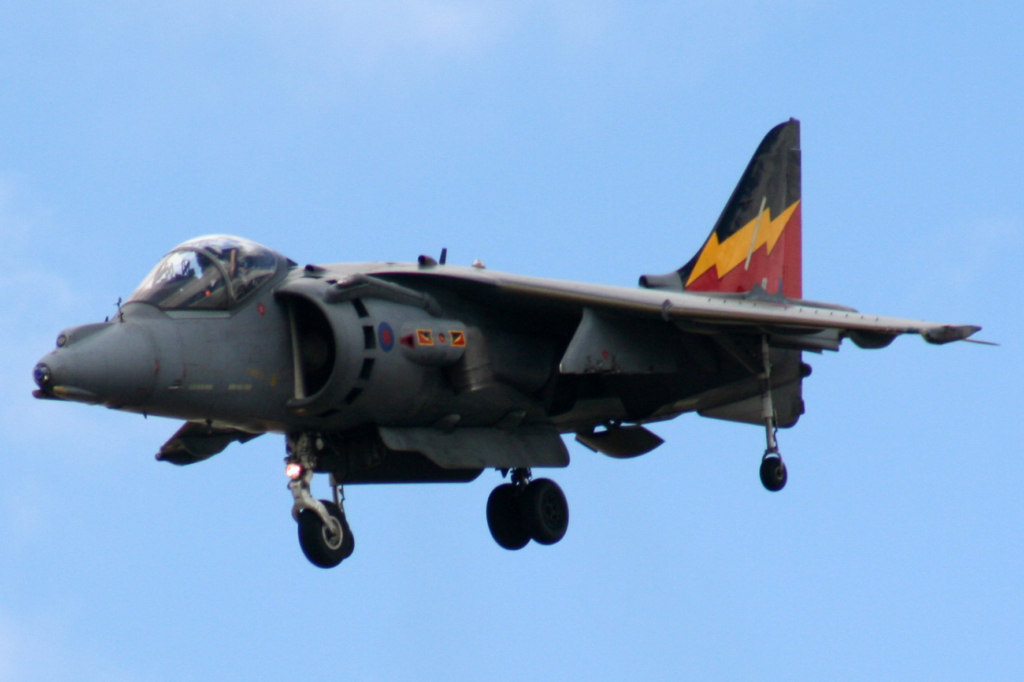
For landing, the pilot gradually reduced forward speed while rotating the nozzles downwards. Once the aircraft had slowed sufficiently, the engine’s thrust supported its weight, allowing it to hover briefly before descending onto the landing surface.
This capability gave the Harrier remarkable operational flexibility. It could operate from small airfields, improvised clearings and certain ships without the need for long runways. The Royal Navy’s Sea Harrier also became an important carrier-based fighter, particularly during the 1982 Falklands War.
Keeping the aircraft under control
Generating enough thrust was only part of the challenge. A hovering aircraft is inherently difficult to control because it cannot rely on conventional aerodynamic control surfaces in the same way as an aircraft travelling at high speed.
The Harrier therefore used a system of small reaction-control nozzles, supplied with compressed air from the engine, to help control its nose and wings during hovering. These enabled the pilot to make adjustments in pitch, roll and yaw when airflow over the normal control surfaces was limited.
The aircraft’s ability to transition between hovering and forward flight required considerable skill. Pilots had to manage thrust, nozzle position, airspeed and aircraft attitude carefully, making Harrier operations both technically demanding and physically challenging.
A solution with limitations
The Harrier’s ability to operate without conventional runways was revolutionary, but it came with compromises. Hovering consumed large amounts of fuel, limiting the time available for vertical flight. Hot exhaust gases could damage landing surfaces, while the intense heat and pressure created additional challenges for shipboard operations.
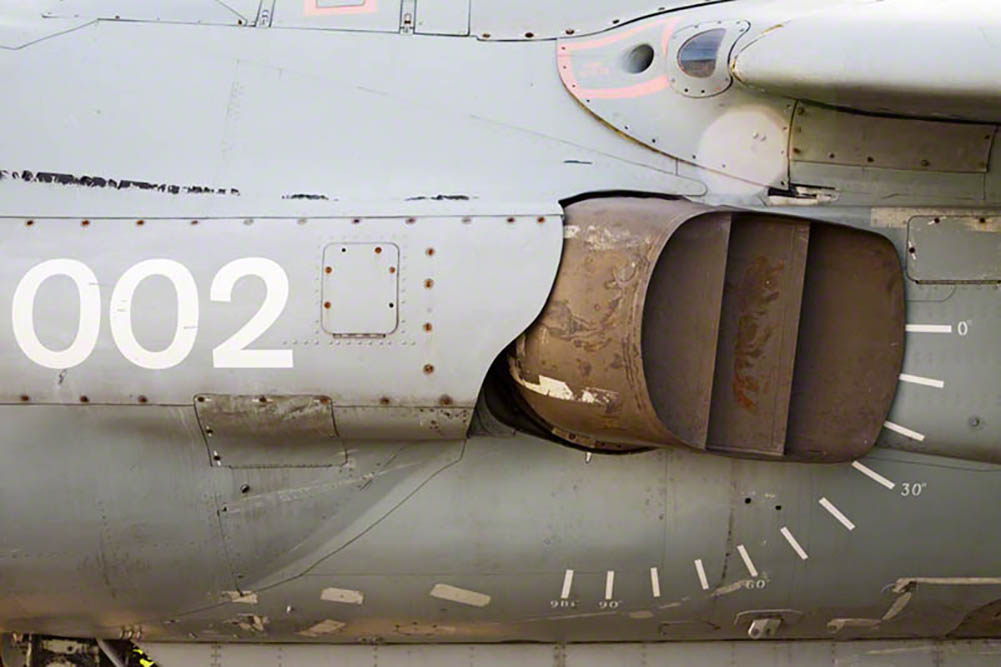
Vertical take-offs also restricted the aircraft’s fuel and weapons loads. Short take-offs offered a practical compromise, allowing the Harrier to carry more while still requiring far less runway than a conventional jet.
Nevertheless, these limitations did not diminish the aircraft’s significance. Its service with British and American forces demonstrated that jet-powered vertical flight could be made practical for military operations.
An aviation milestone
The Harrier solved the problem of flying without a runway by combining vectored thrust, an innovative engine and specialised flight-control systems in a single aircraft. Rather than eliminating the need for forward flight, it gave pilots the ability to switch between conventional flight and hovering when required.
Its success influenced the development of later aircraft, including the Lockheed Martin F-35B, which uses a different system combining a lift fan with a swivelling rear exhaust nozzle.
The Harrier proved that a jet aircraft did not necessarily need a long runway to operate effectively. By turning engine thrust downwards when required, it transformed an ambitious engineering concept into a practical military capability and secured its place in aviation history.
Sign up for our newsletter and get our latest content in your inbox.
Similar Reads

Sign up for our newsletter. Select all sectors relevant to you.
Related