Royal Navy moves to deter Russian undersea threats with new ‘Atlantic Net’ investment

A £90m investment in autonomous maritime technology will bolster the Royal Navy’s surveillance capabilities while deterring Russian submarines and safeguarding critical seabed infrastructure in the North Atlantic.

Image via Royal Navy

The UK is set to strengthen its ability to detect and deter Russian undersea threats in the North Atlantic following a £90m investment in autonomous drones, advanced sensors and artificial intelligence (AI) systems for the Royal Navy.

Announced on 10 November at the International Sea Power Conference – which was co-hosted by the UK and Norway aboard HMS Prince of Wales (R09) in Oslo, Norway – the investment will establish ‘Atlantic Net’, a new maritime surveillance network that is being developed through a framework agreement with the Hampshire-based Ocean Infinity Solutions.

The initiative will combine uncrewed maritime platforms, underwater sensors, sonar, communications and AI-enabled data analysis to provide persistent surveillance across strategically important areas of the North Atlantic.

The Atlantic Net system is designed to identify suspicious activity, including the movements of Russian submarines, and provide earlier warning to Royal Navy warships and Astute-class hunter-killer submarines.
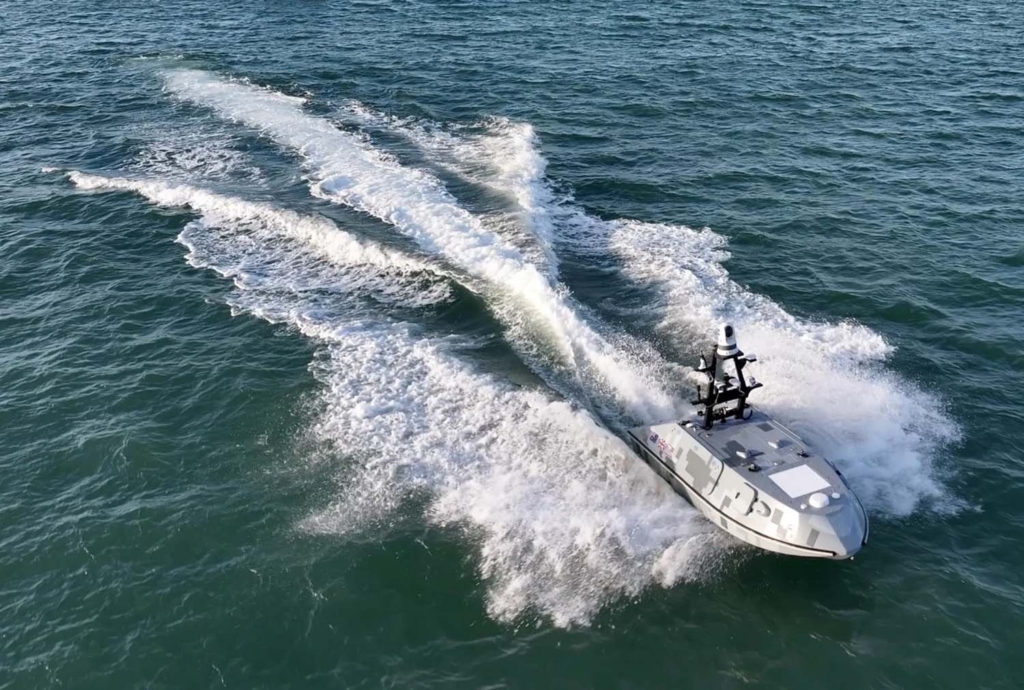
Image via Royal Navy

Commenting on the investment, UK Minister for Defence Readiness and Industry Luke Pollard MP said: “The threats beneath the North Atlantic are changing, and we are changing with them. This investment gives the Royal Navy new technology to find threats earlier and protect our critical infrastructure, while also backing British business.”

The framework represents an initial £90m commitment and is intended to make Atlantic Net operational from 2027. Approximately 200 skilled jobs are expected to be supported across Ocean Infinity Solutions and its immediate supply chain as part of this initiative.

Casting a wide net to detect and monitor Russian submarine activity

A key priority for Atlantic Net will be monitoring the Greenland-Iceland-UK (GIUK) gap, a strategically important maritime corridor that connects the Arctic and North Atlantic regions. The area is particularly significant for tracking Russian naval activity, including submarines operating from the Russian Navy’s Northern Fleet.

The network will also strengthen protection of critical undersea infrastructure, including communications cables and energy networks, which underpin the UK’s economic security and connectivity with international partners.
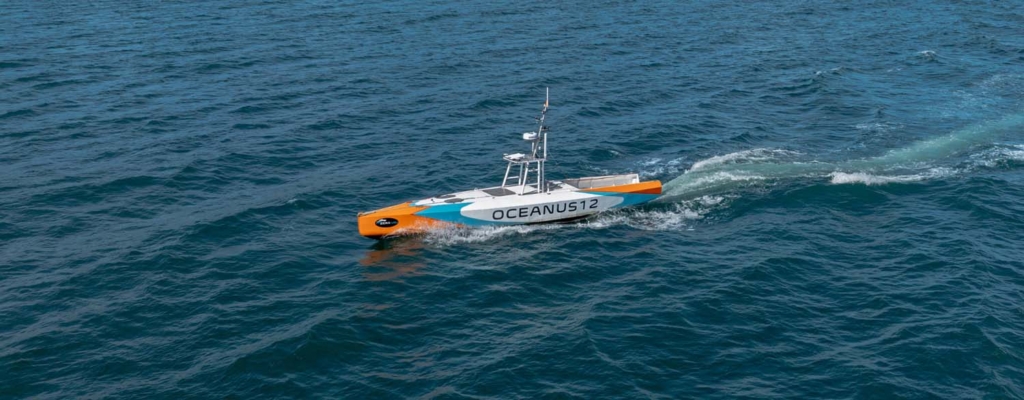
Image via Royal Navy

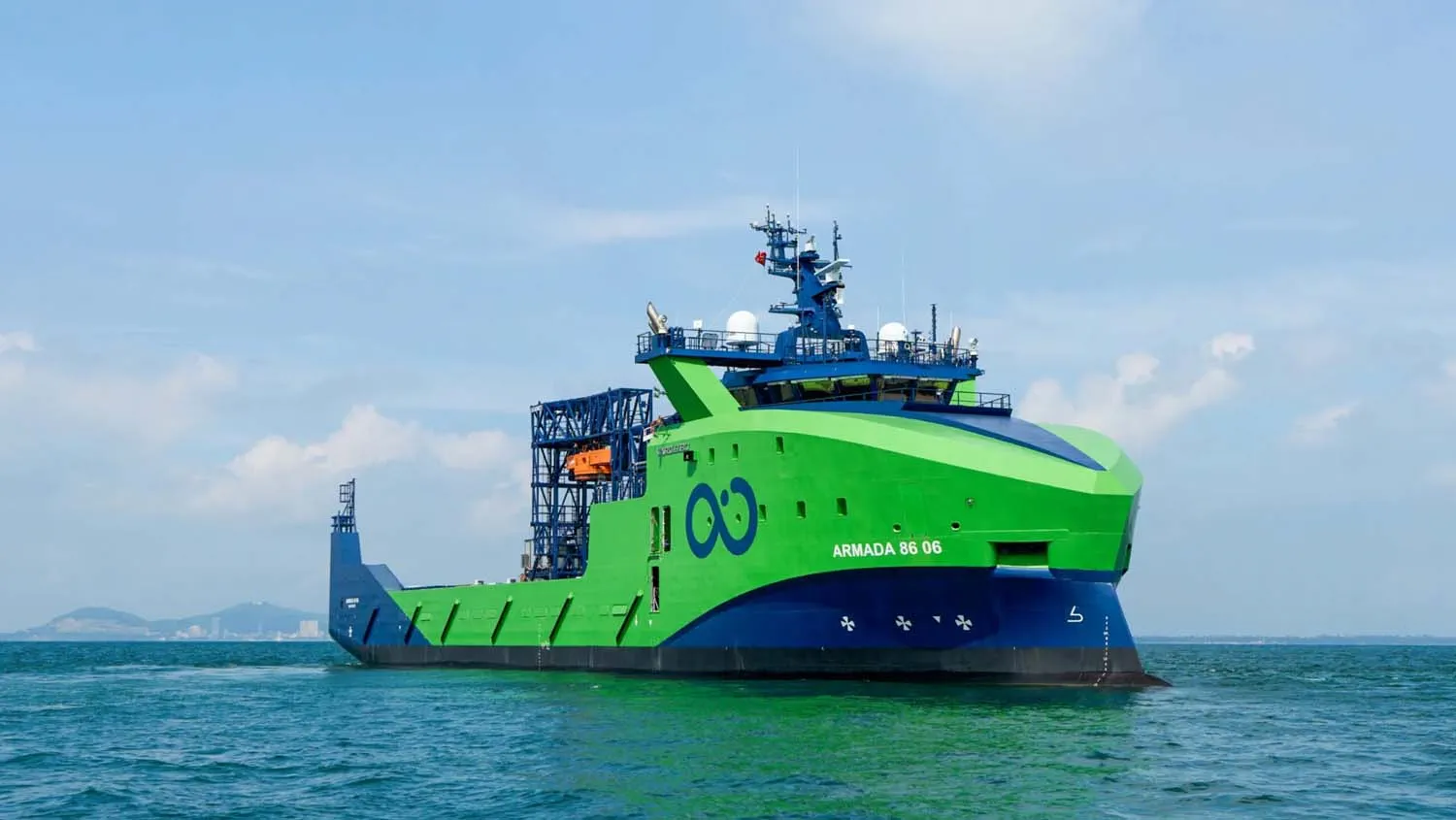
Under the proposed contractor-owned, contractor-operated naval oversight (COCONO) operating model, Ocean Infinity Solutions will provide the surveillance service under Royal Navy oversight, integrating data from multiple autonomous platforms and sensors into a coherent operational picture.

According to Navy Lookout, the firm’s existing remote operations capability and experience operating its Armada fleet of remotely controlled survey vessels will provide an established industrial foundation for the programme. The investment reflects growing recognition that protecting the seabed requires more persistent surveillance than conventional crewed naval platforms can provide alone.

Atlantic Bastion: Delivering the next generation of maritime defence in the North Atlantic

Atlantic Net represents the first major element of the Royal Navy’s wider ‘Atlantic Bastion’ programme, which aims to combine crewed and uncrewed systems into a more integrated maritime defence capability. The approach intends to increase surveillance coverage and operational persistence while allowing high-value warships and submarines to focus on their core operational combat roles.

AI-assisted analysis will be central to making the proposed system effective, helping operators process information gathered across extensive areas of ocean and identify potential threats requiring further investigation.
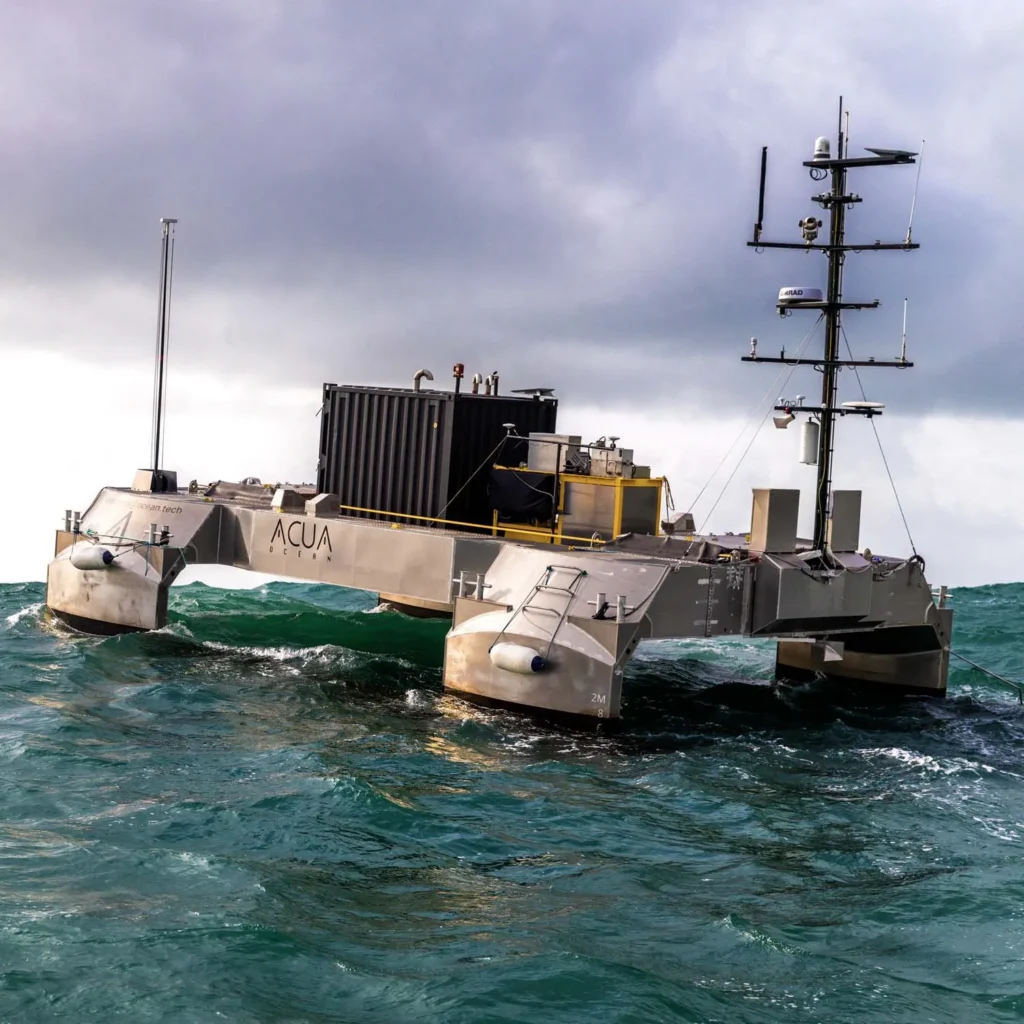
Image via Royal Navy

The announcement also highlights the growing role of UK industry in delivering next-generation defence capabilities. The government expects the investment to support domestic engineering expertise, technology development and specialist supply chain employment.

While Atlantic Net will not replace the Royal Navy’s conventional anti-submarine warfare (ASW) assets, it could significantly enhance their effectiveness by improving early detection and overall situational awareness.

As Russian maritime activity and threats to critical seabed infrastructure remain a strategic concern, the initiative marks an important step towards delivering a more persistent, technology-enabled Royal Navy presence in the North Atlantic, especially as the service leans more heavily into employing its own ‘Hybrid Navy’ concept.

Related

Satellite connectivity could unlock UK drone operations at scale
Viasat 3 is designed to take drone control to the next level
Satellite connectivity could unlock UK drone operations at scale
Satellite communications could become a critical part of the infrastructure needed to move UK drones from tightly controlled trials to routine beyond-visual-line-of-sight operations.
Aerospace Defence Magazine

11 Nov 2026

B&H Worldwide acquires Founders Logistics
B&H Worldwide Forklift
B&H Worldwide acquires Founders Logistics
Through its acquisition of US-based Founders Logistics, B&H Worldwide has added specialist expertise in the transportation of aircraft engines to its comprehensive range of responsive global logistics operations.
Aerospace

10 Nov 2026

Amazon makes aviation history with world’s first SAIL 4 drone approval
Amazon PrimeAir MK30 drone
Amazon makes aviation history with world’s first SAIL 4 drone approval
The approval follows years of engineering development and what is described as the most thorough safety assessment of any drone system in the UK.
Aerospace

10 Nov 2026

Satellite connectivity could unlock UK drone operations at scale
Viasat 3 is designed to take drone control to the next level
Satellite connectivity could unlock UK drone operations at scale
Satellite communications could become a critical part of the infrastructure needed to move UK drones from tightly controlled trials to routine beyond-visual-line-of-sight operations.
Aerospace Defence Magazine

11 Nov 2026

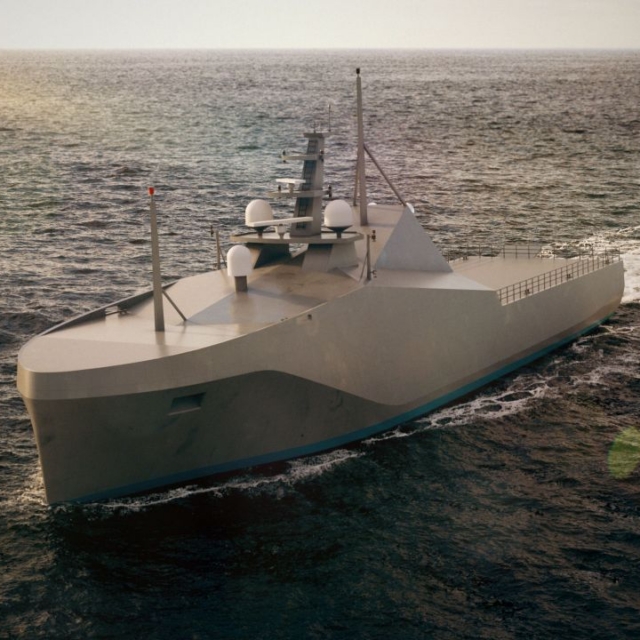
Arctic Hunter: Kongsberg offers new UK-built sub-hunting USV to Royal Navy
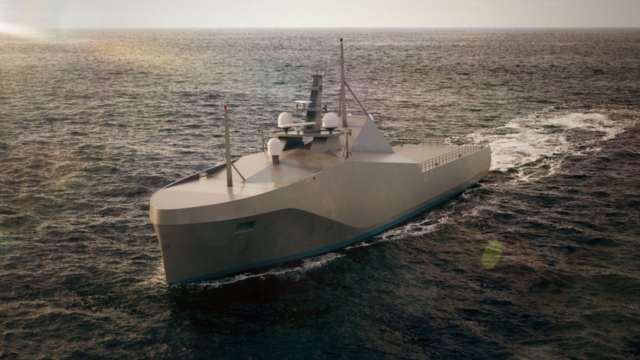
A digital concept image of the new Arctic Hunter USV, which is being offered as a solution for the Royal Navy's Type 92 Large USV requirement. Image: Kongsberg Maritime
Arctic Hunter: Kongsberg offers new UK-built sub-hunting USV to Royal Navy
Kongsberg’s new Arctic Hunter USV aims to bolster the Royal Navy’s anti-submarine warfare capabilities through persistent uncrewed operations in the High North.
Defence

10 Nov 2026

Major upgrades at Beacon Barracks get underway
Image showing the SFA (Service Family Accommodation) estate, built at Beacon Barracks in Stafford, UK. The Beacon Barracks project (SFA Borona) was a £150 million scheme to create a major hub for the UK’s armed forces. The redevelopment programme by the Defence Infrastructure Organisation (DIO) provided 346 new homes, workshops, single living accommodation, offices, garages, a junior ranks catering, retail and leisure facility, training, sports and medical services.
Major upgrades at Beacon Barracks get underway
Work has begun on additional infrastructure at Beacon Barracks in Stafford for Army personnel relocating there from 2029, consisting of two new Single Living Accommodation blocks, new workspaces for the Royal Engineers, Intelligence Corps and Joint Military Command - Centre and a new Police Station for the Royal Military Police.
Defence

10 Nov 2026

UK military satellite Titania reaches orbit as MoD trials space-threat sensors
Titania Satellite
UK military satellite Titania reaches orbit as MoD trials space-threat sensors
The UK's second ISTARI military satellite, Titania, reaches orbit as trials launch for a three-site sensor network to monitor potential threats to spacecraft.
Defence Space

9 Nov 2026

Leicester’s National Space Centre Discovery Team wins Sir Arthur Clarke Award
National Space Centre Discovery Team wins Sir Arthur Clarke Award
Leicester’s National Space Centre Discovery Team wins Sir Arthur Clarke Award
Following delivery of its education and outreach initiatives across the UK to inspire the next generation of scientists, engineers and space explorers, the National Space Centre's Discovery Team has gained national recognition by winning a prestigious Sir Arthur Clarke Award.
Member News Space

5 Nov 2026

Astroscale and OHB to collaborate on space security
Astroscale and OHB sign MoU
Astroscale and OHB to collaborate on space security
Following ratification of the Kensington Treaty in October, Astroscale and OHB have signed an MoU to enhance cooperation between the UK, Germany and Japan towards protecting critical infrastructure in space, whilst supporting the safe, sustainable and responsible use of the orbital environment.
USAF relocates KC-135s and CV-22Bs from Mildenhall amid reported Iran threat
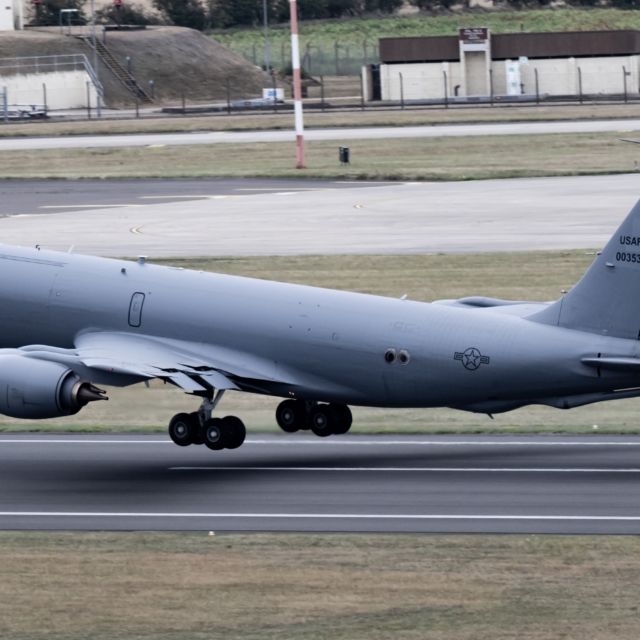
A KC-135R Stratotanker from the USAF's 100th ARW takes off from RAF Mildenhall for a mission on 21 August 2025. Image: USAF/Staff Sgt Kevin Long
USAF relocates KC-135s and CV-22Bs from Mildenhall amid reported Iran threat
The USAF has relocated 12 aircraft from RAF Mildenhall amid heightened security measures and growing concerns over new Iranian threats.
Aerospace Defence Security

10 Nov 2026

Inside the BBC’s ‘Black Sky’ plan to keep the UK informed during a major blackout
close up of hand holding a radio in an emergency situation with a lamp and water bottle
Inside the BBC’s ‘Black Sky’ plan to keep the UK informed during a major blackout
According to a BBC report, around100 staff would operate a specially prepared emergency radio studio.
Security

10 Nov 2026

Serco certified by GCAA as UAE’s first Aerodrome Rescue and Firefighting training provider
Serco certified as UAE's first Aerodrome Rescue and Firefighting training provider.
Serco certified by GCAA as UAE’s first Aerodrome Rescue and Firefighting training provider
Under the UAE's new national regulatory framework, Serco has been certified by the General Civil Aviation Authority (GCAA) as the first Aerodrome Rescue and Firefighting training provider complying with regulatory requirements, designed to improve safety and professional operational standards across the Emirates.