Why the UK has so few domestic flights outside London

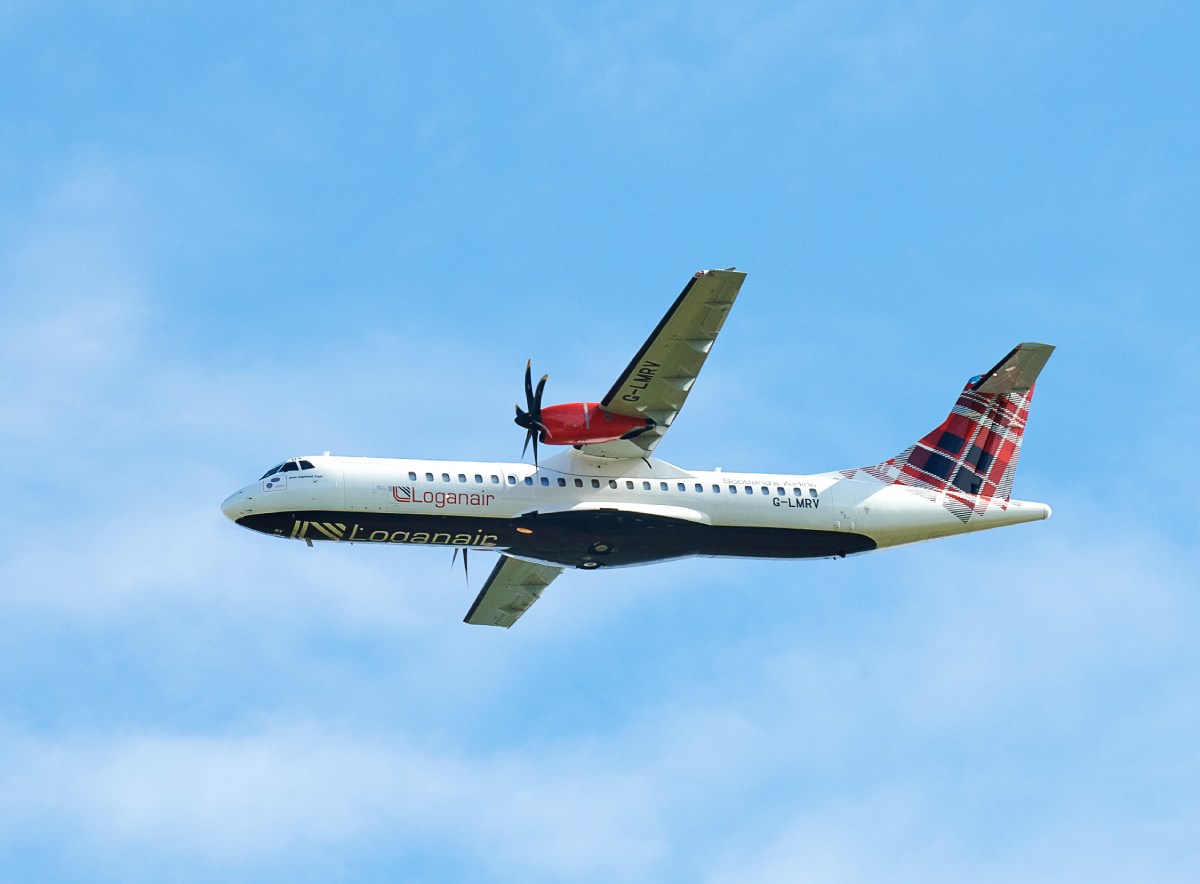
The UK has plenty of regional airports with strong business links and a geography that should make domestic aviation an important part of the transport mix. Yet try booking a flight between two British cities without going via London and the options can be surprisingly limited.
The scale of the decline is clear in the stats. According to aviation analytics company Cirium, 214,796 domestic flights were scheduled in 2025, compared with 454,375 in 2006. Available seats fell by 35% over the same period, from 39.1 million to 25.5 million. This is a long-term decline, not simply a post-pandemic effect. But why?
A network built around London
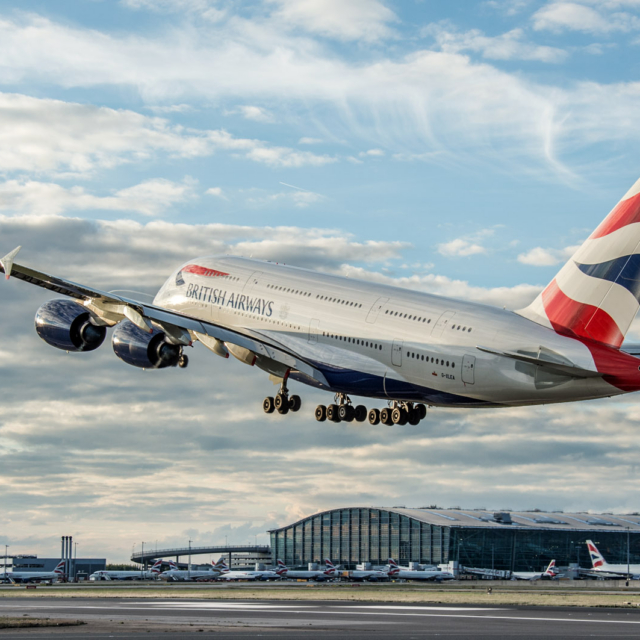
The domestic network has traditionally centred on London, particularly Heathrow. Regional services bring passengers into one of the world’s major international hubs, offering airlines the additional revenue potential of connecting traffic.
An Edinburgh-Heathrow flight, for example, carries both London-bound passengers and those connecting onto long-haul services. A direct Edinburgh-Bristol flight relies almost entirely on demand between those two cities.
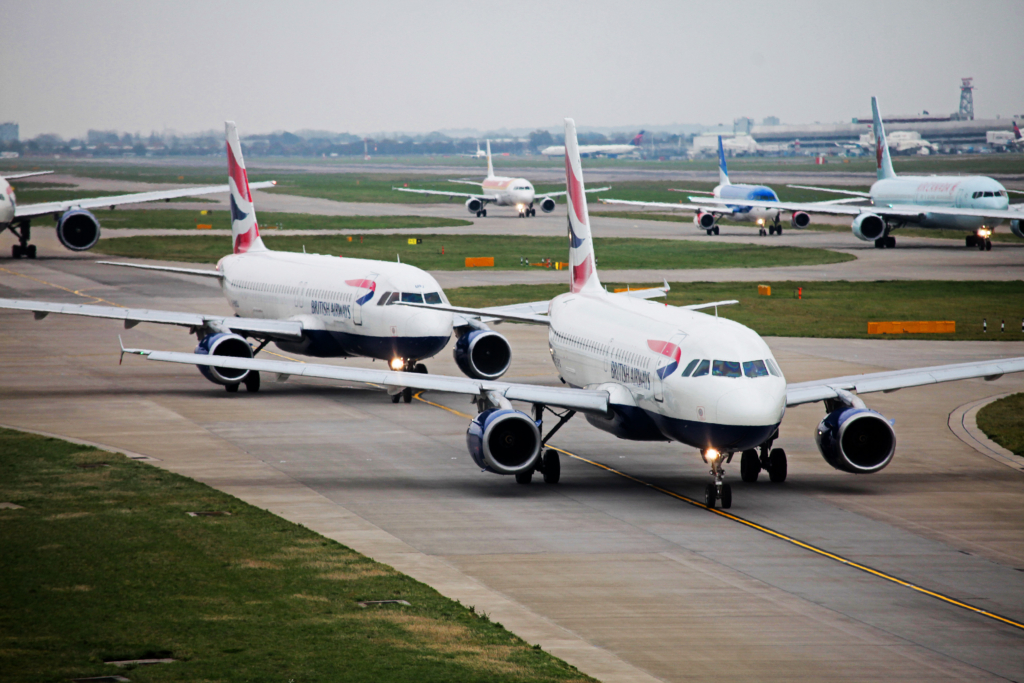
The imbalance is clear in the figures. CAA data analysed by the London Assembly shows that 11.6 million passengers travelled on domestic flights to or from London’s six major airports in 2024. Edinburgh accounted for 3.3 million of those journeys, Belfast 2.4 million and Glasgow 2.1 million.
The economics of regional flying
Regional-to-regional services have to generate sufficient demand to cover aircraft, crew, fuel, maintenance and airport costs. Smaller markets can struggle to support the frequency business travellers expect, particularly several daily return options.
Aircraft choice is another factor. Turboprops can make thinner routes viable, but may lack the speed and passenger appeal of jets. Larger aircraft, meanwhile, are difficult to fill reliably.

Airlines also have to think about where their aircraft will make the most money. Using one on a less profitable domestic route means it can’t be used on an international flight that might bring in more revenue.
Rail enters the chat
Between many English cities, rail is a big competitor. For example, Manchester to Birmingham is a relatively straightforward train journey, so once airport transfers, check-in and security are included, flying may offer little door-to-door advantage.
The Department for Transport’s 2024 figures put domestic air travel at 19 million passenger journeys across Great Britain. Aviation accounted for just 1% of passenger kilometres, compared with 9% for rail and 89% for road.
Geography also makes a difference. Flying is often the quickest option between mainland Britain and Northern Ireland, while travelling by road or rail from parts of the Scottish Highlands to English cities can take several hours.
Can regional connectivity recover?
Higher operating costs, Air Passenger Duty, environmental pressures and the attraction of international markets have all contributed to the decline. The collapse of Flybe in 2020 also marked the end of an important source of regional connectivity.
The fact is, the UK has plenty of airports and cities that could be connected by air. The problem is finding enough people willing to fly, at fares that make the routes worthwhile for airlines. Until that changes, London is likely to remain at the centre of domestic air travel, with direct flights between other British cities remaining more limited.
Sign up for our newsletter and get our latest content in your inbox.
Similar Reads



Sign up for our newsletter. Select all sectors relevant to you.
Related