Can drones safely share UK airspace with aircraft? Cranfield and Boeing put it to the test

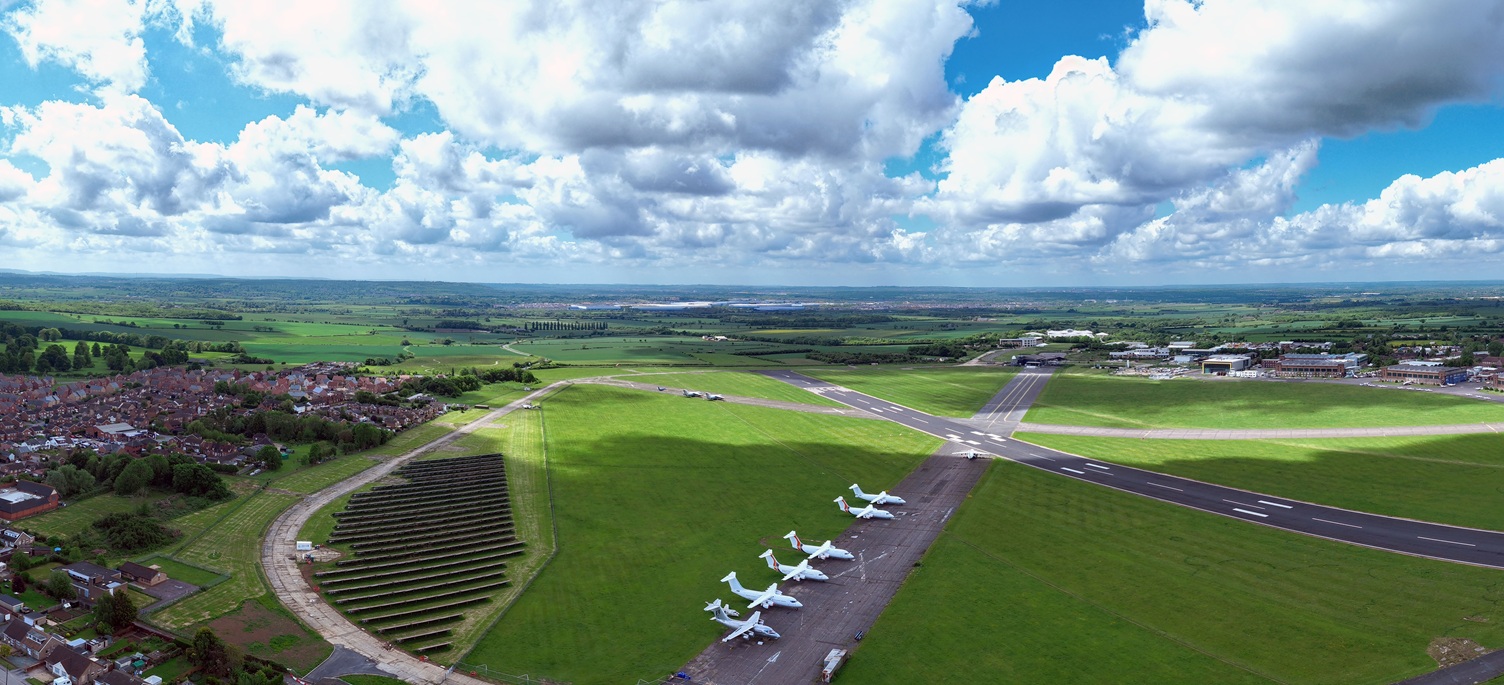
Cranfield University, Boeing, Insitu Pacific and the UK Civil Aviation Authority (CAA) have conducted a simulation of crewed and uncrewed aircraft operating in shared airspace, providing evidence to support the development of UK detect-and-avoid regulations.
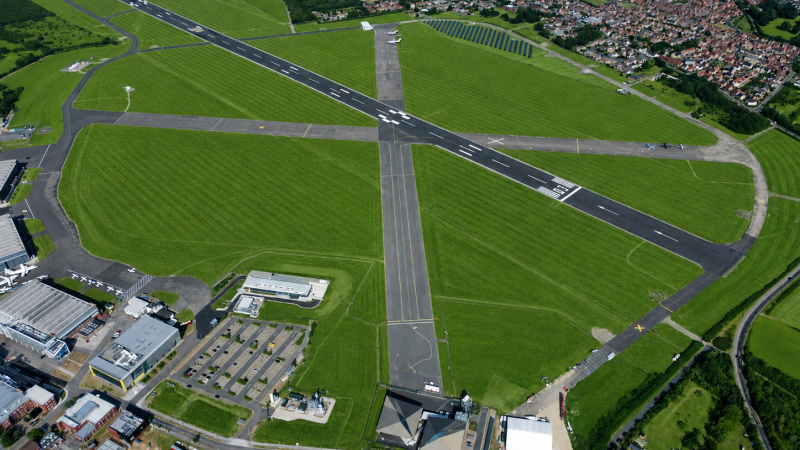
The demonstration at London Cranfield Airport combined live air traffic data with a virtual uncrewed aircraft to assess how the two types of operation could be safely integrated.
The exercise is part of a wider collaboration between Boeing and the CAA to understand emerging aviation technologies and inform regulatory policy.
Testing uncrewed operations alongside live air traffic
The demonstration recreated a mixed airspace environment using live traffic feeds and a virtual aircraft to test detect-and-avoid technology.
Detect-and-avoid capability would enable uncrewed aircraft to operate beyond the visual line of sight of their remote pilots, where they may encounter conventional aviation traffic. Such systems must provide a way to identify potential conflicts and take appropriate action to maintain safe separation.
The virtual uncrewed system was integrated into the airport’s data environment, allowing researchers to examine how it could operate alongside existing air traffic. The exercise also included a complete ground-based aircraft and control station setup, including operational procedures and safety checks before the simulated launch.
While the uncrewed system was virtual, the demonstration used live traffic information, which allowed participants to investigate operational and regulatory requirements without introducing an additional aircraft into the airspace.
CAA evaluates implications for future regulation
The CAA observed the demonstration, conducted under its Innovation Sandbox initiative, which allows regulators and industry to examine emerging technologies while relevant regulatory frameworks are being developed.
Ed Clay, Head of Remotely Piloted Aerial Systems at the CAA, said: “Through demonstrations like this, we can better understand how uncrewed aircraft can be integrated safely into the wider aviation system, while supporting innovation.”
Clay added that the project had provided insights to inform detect-and-avoid policy and support the safe integration of uncrewed aircraft into UK airspace.
For the regulator, the challenge is to establish requirements that allow uncrewed operations to expand without compromising the safety of existing airspace users. The Cranfield exercise offers an opportunity to evaluate potential operating procedures and technologies before introducing them into routine operations.
Todd Sigler, Senior Director of Global Safety & Regulatory Affairs at Boeing, said: “Through this partnership, Boeing is helping inform the broader regulatory ecosystem while also gaining valuable insights into future technology deployment.”
Building on Cranfield’s digital aviation research
The demonstration builds on an established relationship between Boeing and Cranfield University, including work on digital aviation technologies and aircraft systems.
Boeing joined Cranfield’s Digital Aviation Research and Technology Centre (DARTeC) in 2020.
The research programme addresses challenges including drone integration, digital airport operations and secure communications in shared airspace.
Cranfield’s airport provides a research environment combining operational aviation infrastructure with digital air traffic control capabilities.
Professor Anna Smallwood, Head of Air Transport Management at Cranfield University, said: “By combining Cranfield’s unique operational capability – including the digital air traffic control capabilities of London Cranfield Airport – with our facilities and academic expertise, we are well positioned to support the development of new aviation technologies and help inform the policies and procedures needed to enable their future adoption.”
The partners see the latest exercise as a foundation for further collaboration on advanced aviation technologies. The demonstration’s findings could help shape the technical and regulatory requirements needed to accommodate more uncrewed aircraft within the UK’s existing aviation system.
Sign up for our newsletter and get our latest content in your inbox.
Similar Reads


Sign up for our newsletter. Select all sectors relevant to you.
Related