Six months, 19 allies and a NATO first: Operation Firecrest in numbers

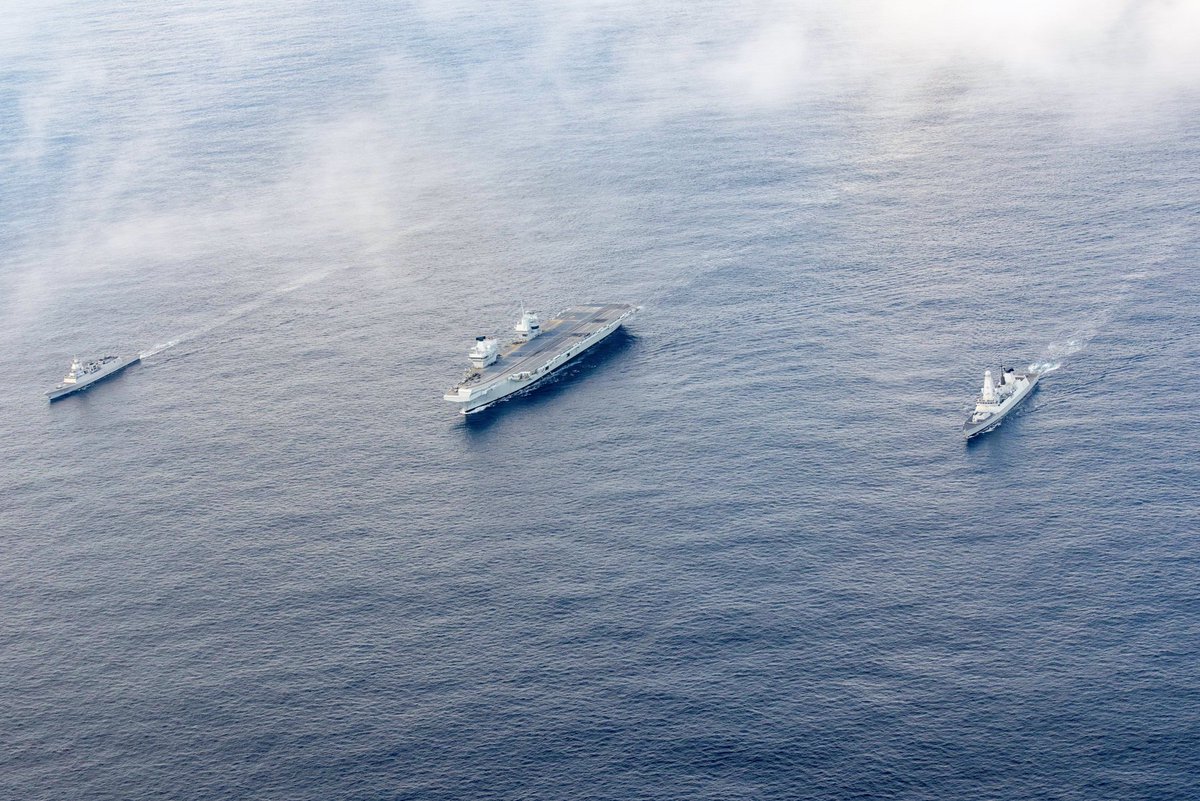
The Royal Navy’s HMS Prince of Wales (R09) aircraft carrier has returned to its homeport of Portsmouth, concluding the six-month, two-phase Operation Firecrest in the North Atlantic and High North.
In a statement, the Royal Navy said, “Across the last month, the aircraft carrier, alongside Type 45 destroyer HMS Dauntless, played a key role in NATO operations spanning northern, central and southern Europe, with F-35B Lightning jets flying sorties in the Baltic Sea.”
During her deployment, HMS Prince of Wales and her air complement worked with NATO allies. The task force flew operations with Norwegian Air Force F-35As and a US Air Force B-52 bomber, while also working to counter Russian malign activity in the region.
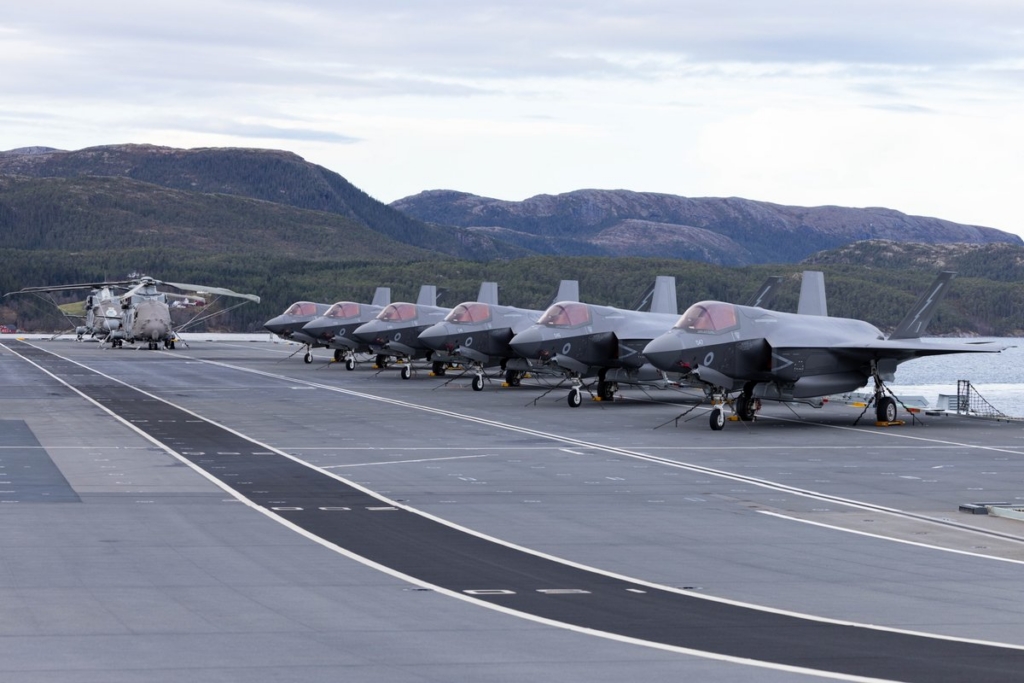
The first phase of Operation Firecrest ran from April to July, with the second phase kicking off in mid-October after the carrier had returned for routine maintenance. 19 NATO allies and JEF partners contributed in phase one.
The effort marked the first NATO air policing from a European carrier.
Operation Firecrest by the numbers
As HMS Prince of Wales set out from port a month ago, the Royal Navy stated that the Carrier Strike Group (CSG) included over 1,200 British personnel.
The carrier was accompanied by the Type 45 destroyer HMS Dauntless. The CSG carried F-35 Jets, Merlin Mk4 Commando and Mk2 Anti-submarine helicopters, Wildcat helicopters, and Malloy drones.
During phase one of the operation, the carrier conducted 750+ deck landings, plus an unknown number from phase two. During the first phase, the Royal Navy intercepted a pair of Russian Tu-142 maritime patrol aircraft.
The CSG’s air complement fluctuated during phases and at different periods. While in Norway in October, the carrier had an embarked group of seven F-35B Lightning jets from 617 Sqn at RAF Marham.
The period also marked the first overseas ammunition replenishment mission for a Queen Elizabeth carrier.
Royal Navy CSG participated in Neptune Strike 26-4
The task force also participated in the recurring NATO enhanced Vigilance Activity (eVA), Neptune Strike 26-4. It ran from October 16 to November 5. For the CSG, Neptune Strike was integrated as part of the broader Operation Firecrest mission.
The exercise brought 17 allied nations together, with a total of around 20 warships, including an Italian carrier strike group. Around 40 allied aircraft took part.
It demonstrated NATO’s ability to coordinate naval, air, and maritime operations across different regions.
🔊Sound on! As #OpFIRECREST Phase 2 wraps up, here are some of our best bits: ⚓ Warfighting readiness 🤝 Integrating with our Allies 🛡️ #NeptuneStrike & #ArcticSentry 💬 Leading talks on our future Tell us, what’s your highlight? https://t.co/um7kimOxJH
— UK Carrier Strike Group (@COMUKCSG) November 15, 2026
While participating in the exercises, the Prince of Wales’s embarked F-35B fighters intercepted a Russian Tu-95 Bear long-range bomber as it approached the CSG.
Besides the HMS Prince of Wales, the Royal Navy’s maritime contributions included the HMS Dauntless and HMS St Albans (Type 23 frigate).
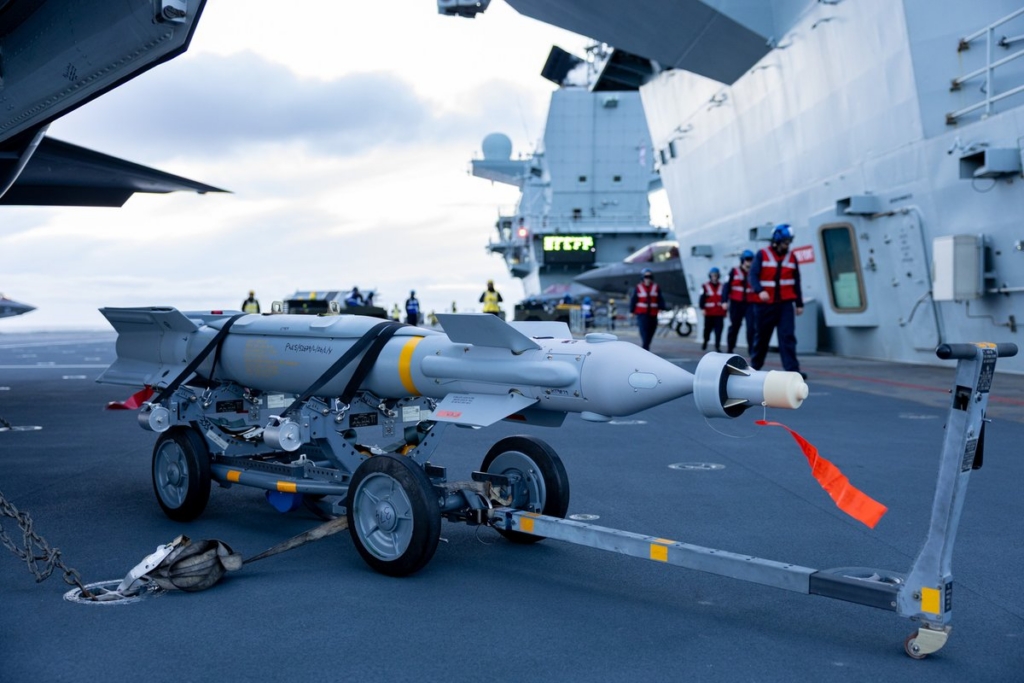
Royal Navy F-35Bs also participated in simulated air-to-ground engagements alongside French Rafales, integrating with Finnish forces. Its F-35Bs also dropped Paveway IV precision-guided bombs at the Setermoen firing range with targeting support from the Norwegian Army.
Sign up for our newsletter and get our latest content in your inbox.
Similar Reads



Sign up for our newsletter. Select all sectors relevant to you.
Related