BAE Systems to cut 1,070 jobs amid strong defence growth


BAE Systems plans to cut 1,070 roles across its air sector and head office, despite reporting strong growth driven by rising defence spending and a significant increase in orders.
The company said around 940 positions would be removed from its air division and a further 130 from head office functions as part of efforts to improve efficiency and responsiveness to customer requirements.
The proposed reductions represent just over 2% of BAE’s UK workforce. Manufacturing, aircraft maintenance, apprenticeships and trainee roles are not expected to be affected.
The company employs around 50,000 people across Britain, which is a significant rise from the 36,000 people employed around six years ago. Around 18,500 of these work in the air sector and 1,000 work in its head office.
The announcement is in the wake of a period of strong growth at BAE, driven in part by a rise in defence spending in the UK, Europe, and beyond since the Russian invasion of Ukraine in 2022.
BAE’s forecast update in November expects its underlying operating profit (EBIT) to increase by 10% to 12% in 2026. It also increased its free cash flow estimate.

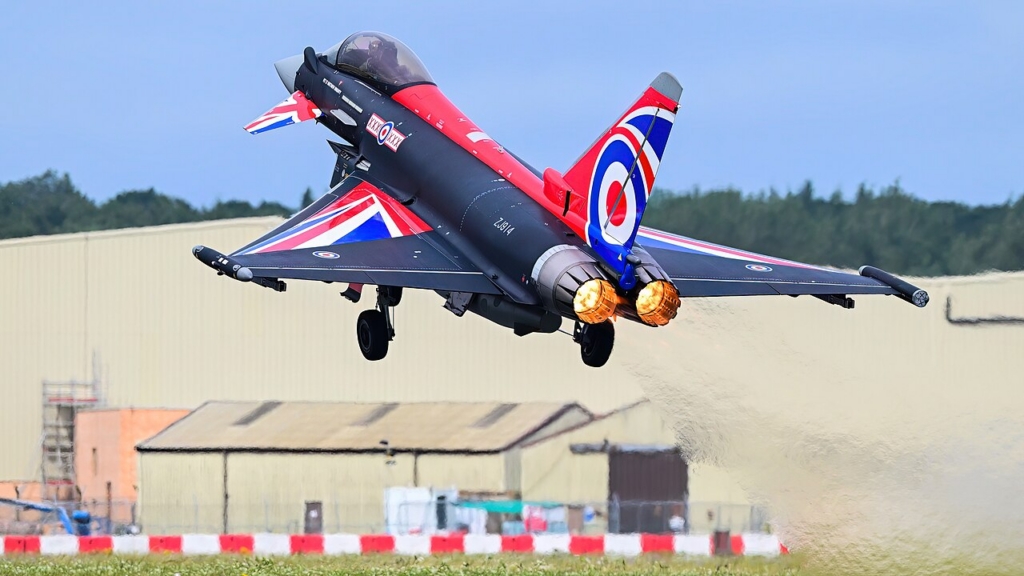
Unite has criticised the move, arguing that delays in UK defence spending decisions are affecting jobs and calling on the government to accelerate procurement programmes including the Eurofighter Typhoon and collaborative combat aircraft initiatives.
BAE cites efficiency and changing customer requirements
A BAE Systems spokesperson said: “We’ve made significant investments across our business to enhance performance, accelerate innovation and boost capacity, so that in a rapidly changing defence and security environment we can meet our customers’ demands for greater speed and efficiency in getting critical capabilities into the hands of those who need them.
“This announcement is the next stage of our ongoing focus on enhancing our agility and competitiveness, so we can help to maximise the value of every pound our customers spend on defence.
“We recognise that this news may be unsettling for our people and we’re focused on achieving potential workforce reductions through a voluntary process.
“We’re committed to working closely with our trade unions and employee representatives and to keeping our employees informed and supported throughout.”
Cuts to be voluntary and not from manufacturing
The cuts are to be achieved through voluntary redundancy and will exclude those in shopfloor manufacturing and aircraft maintenance. The proposals do not affect early-career trainees and apprentices.
They are also not expected to affect Barrow-in-Furness and BAE’s submarine business.
The cuts are expected to include approximately 940 roles in the air sector in north-west England, predominantly in Lancashire.
The sites expected to be hit the most are Warton and Samlesbury; this is the area central to Typhoon production, GCAP and future combat-air development. It is unclear what impact they will have on those programmes.

Some of the head office role cuts will affect the site at Stirling Square, Carlton Gardens in London. Around 130 jobs are slated to go at the head office.
Unite general secretary Sharon Graham reacted to the news by calling for the British government to start making more “critical decisions,” including purchasing more Typhoons and CCA aircraft.
She said: “We won’t have a manufacturing industry left if the Government doesn’t start making critical decisions.
“For months Unite has been warning that delays in defence spending are driving companies in the sector to make negative decisions impacting British jobs.
“On the day after the Government backed a major boost in apprentices, we now have our biggest defence company announcing nearly a thousand redundancies. This shows a lack of joined-up thinking in Government.
“In order to stop the erosion of defence jobs and get the growth we need, the Government needs to announce contracts for British-built Typhoons and Collaborative Combat Aircraft immediately.”
Sign up for our newsletter and get our latest content in your inbox.
Similar Reads





Sign up for our newsletter. Select all sectors relevant to you.
Related