Engineering and defence jobseekers lower career ambitions, survey finds


More than half of jobseekers rejected for roles in engineering, manufacturing, aerospace and defence have lowered their career ambitions, according to new research from recruitment technology company Tribepad.
The company’s Confidence Collapse Report found that 52% of applicants in these sectors had lowered their expectations following unsuccessful job applications, compared with 47% across all sectors.
Almost a third (32%) had applied for jobs below their skill level, while 29% had lowered their salary expectations, compared with 20% nationally. A further 23% had stopped applying for more senior positions.
The findings raise questions about how recruitment practices affect the availability of experienced workers in sectors that rely on specialist technical skills.
Repeated rejection affects confidence
Tribepad commissioned OnePoll to survey 2,000 UK adults who had looked for work within the previous three years. The research was conducted between 8 and 24 July 2026.
Of those surveyed, 1,736 had experienced an unsuccessful application or rejection. The engineering, manufacturing, aerospace and defence findings are based on 103 respondents who had applied for jobs in these sectors.
- More than half (51%) of this group reported losing motivation following rejection.
- Another 42% felt anxious about future applications
- 41% had lost confidence
- 33% felt hopeless about finding a suitable role
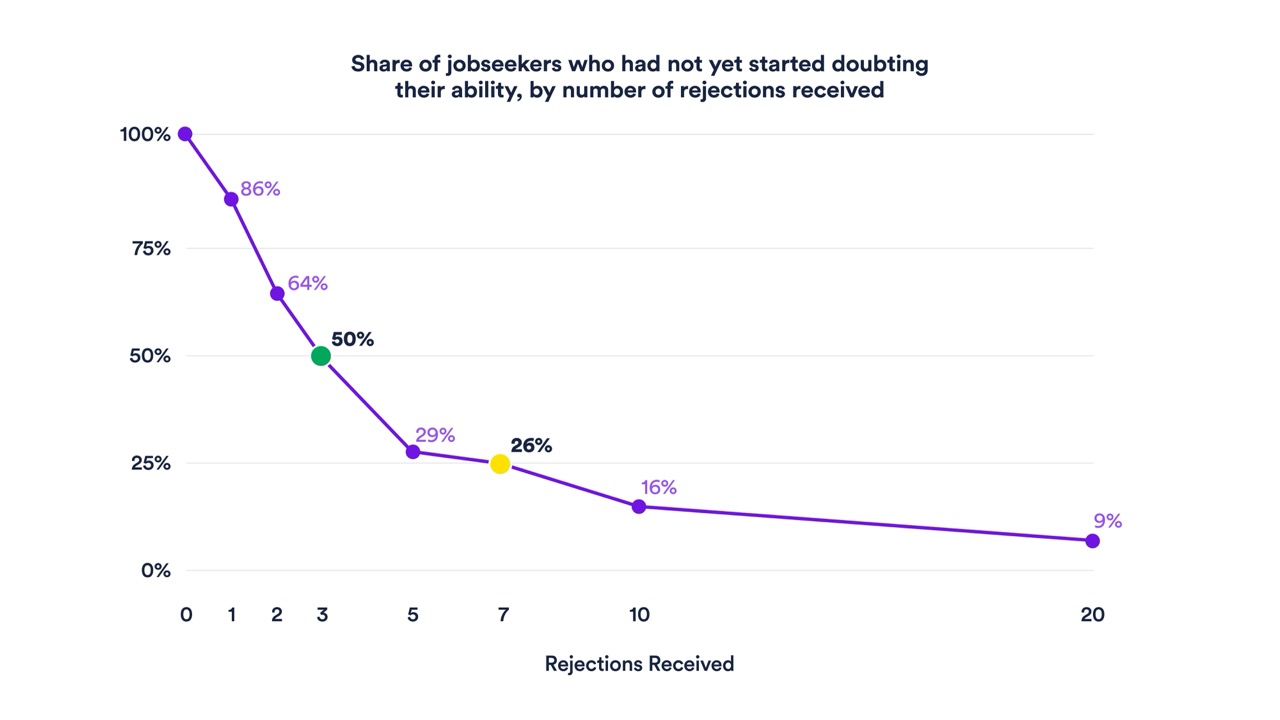
Across all sectors, the research found that repeated rejection could quickly affect candidate confidence. Among respondents who could identify when they began doubting their abilities, half reached that point within three unsuccessful applications. Almost three-quarters (74%) did so within seven.
- 40% of respondents identified a lack of feedback or an explanation for rejection as the main reason their confidence had suffered
- 22% pointed to repeated rejection as causing their lack of confidence
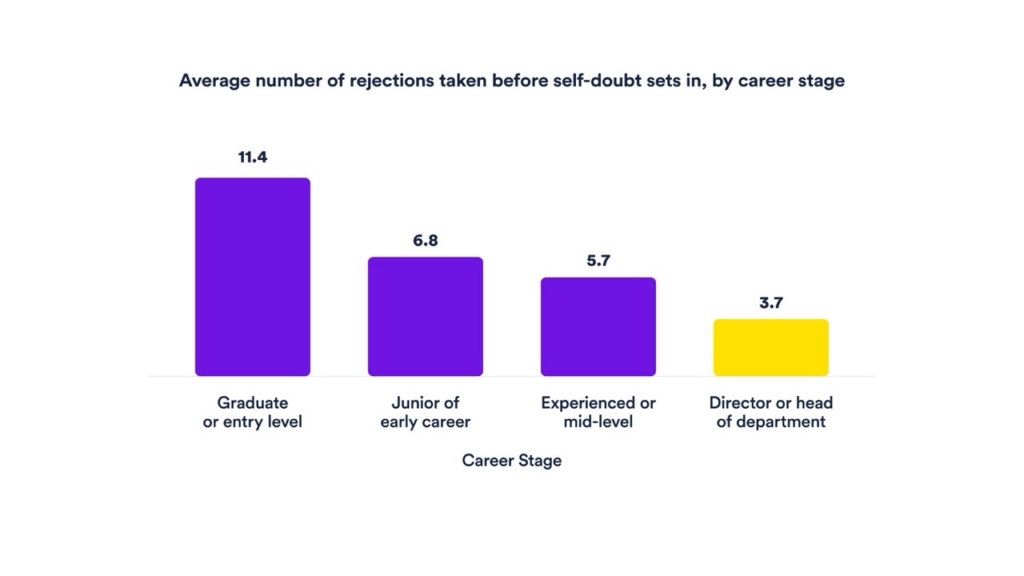
The report also found that more senior applicants may lose confidence sooner. Directors and heads of department began questioning their prospects after an average of 3.7 rejections, compared with 11.4 among graduates and entry-level applicants.
Lack of feedback damages confidence
Neil Armstrong, CEO of Tribepad, said: “What we found is people are aiming lower. They stop going for career progression and knock a few thousand off what they ask for. They apply for the job below the one they’re qualified for.”
He warned that employers could be overlooking the abilities of people who remain in work or continue applying for jobs.
“Employers can’t take rejection out of hiring. They can be far clearer about why someone hasn’t progressed. Communicated properly, a no is a decision about a single role. Told badly, or not at all, it feels like a verdict on what somebody is worth.”
AI recruitment raises further concerns
The increased use of AI tools in recruitment may also be contributing to applicants’ loss of confidence.
- Among those seeking engineering, manufacturing, aerospace and defence roles, 52% believed AI had been involved in rejecting an application, compared with 42% across all sectors.
- Two-thirds (67%) of applicants in these industries had changed how they applied for jobs because they thought automated systems might be assessing them.
Across the wider survey, 72% could not say with certainty whether a person had reviewed their CV. However, only 3% pointed to AI or automated decision-making as the main cause of their loss of confidence.
Implications for UK employers
The findings come as the UK labour market has become more competitive. Figures cited in Tribepad’s press release put UK vacancies at 691,000 in July to September 2026, down 37,000 from a year earlier.
For aerospace, defence, engineering and manufacturing employers, the research suggests that qualified applicants may be seeking lower-paid or less demanding roles after repeated rejection.
Tribepad recommends that employers provide clearer information about recruitment timescales, explain where automated systems are used and improve feedback to unsuccessful applicants. It also advises companies to measure the experience of rejected candidates alongside conventional recruitment measures.
Sign up for our newsletter and get our latest content in your inbox.
Similar Reads





Sign up for our newsletter. Select all sectors relevant to you.
Related