What happens when an aircraft’s GP is jammed? How pilots navigate and stay safe

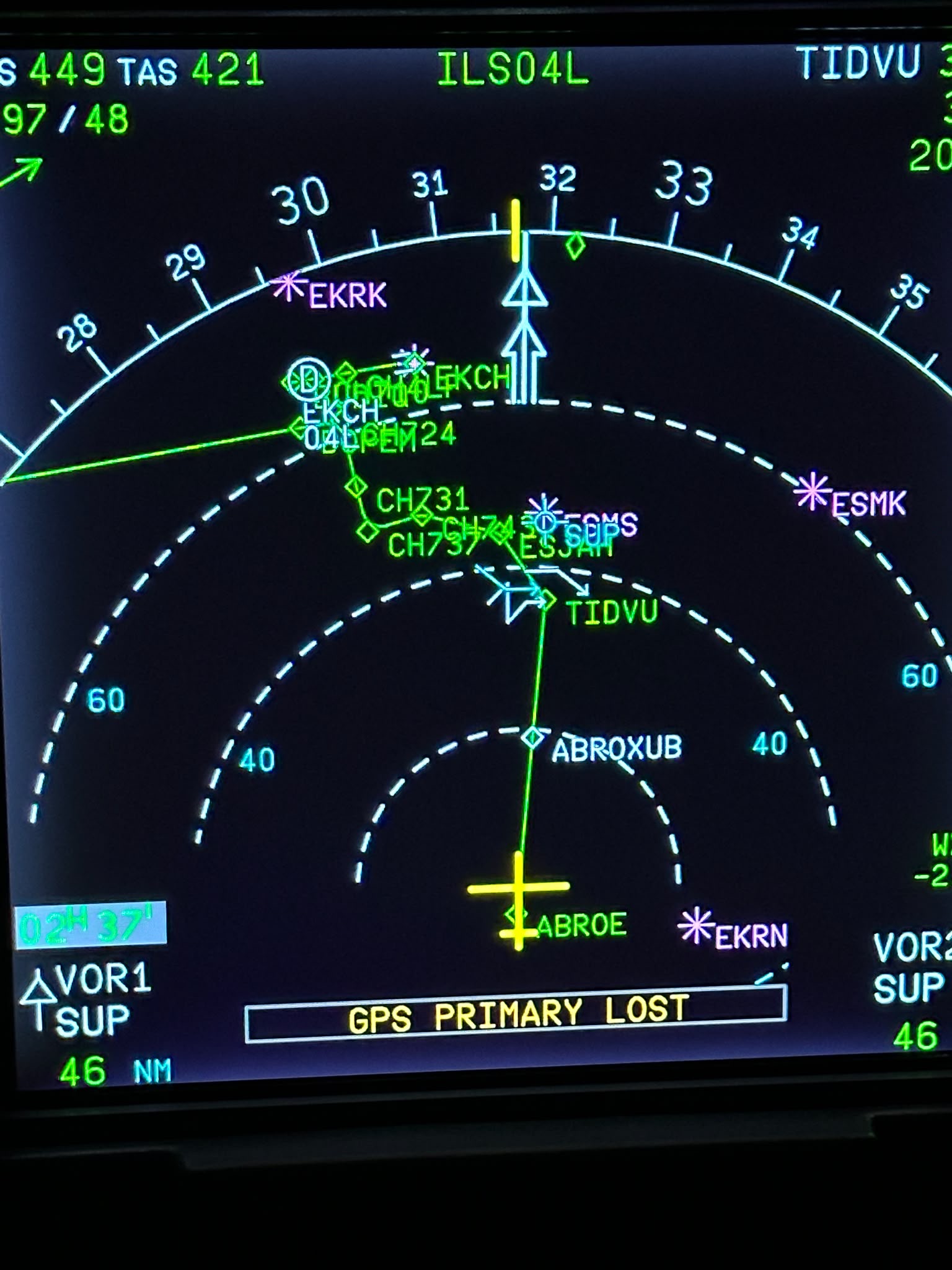
Aircraft rely on satellite navigation for everything from position reporting to instrument approaches, but what happens when those signals are disrupted?
GPS jamming is becoming a bigger problem for aviation. Just recently Advance reported on GPS jamming linked to Russian warship disrupting 140 flights over UK and North Sea.
The figures tell their own story too. EUROCONTROL recorded 4,353 cases in 2025, compared with 1,897 in 2023, an increase of around 130%. A further 1,132 cases of GPS spoofing, where false signals trick aircraft into showing the wrong position, were also recorded.
Losing GPS doesn’t mean an aircraft loses its ability to navigate, but interference can create challenges for pilots, airlines and air traffic controllers.
What is GPS jamming and how does it affect aircraft?
GPS (Global Positioning System) is often used as a general term for satellite navigation, but it is one of several systems available worldwide. The broader term is GNSS (Global Navigation Satellite System), which includes the US-operated GPS, Europe’s Galileo, Russia’s GLONASS and China’s BeiDou.
Aircraft use these satellite signals to calculate position, speed and precise timing. However, they are relatively weak by the time they reach Earth, making them vulnerable to interference.
Jamming occurs when a stronger radio signal disrupts reception, preventing a receiver from processing genuine satellite signals. Spoofing is different because it introduces misleading signals that can make an aircraft calculate an incorrect position. This is particularly concerning because the information displayed to the crew may look entirely plausible.
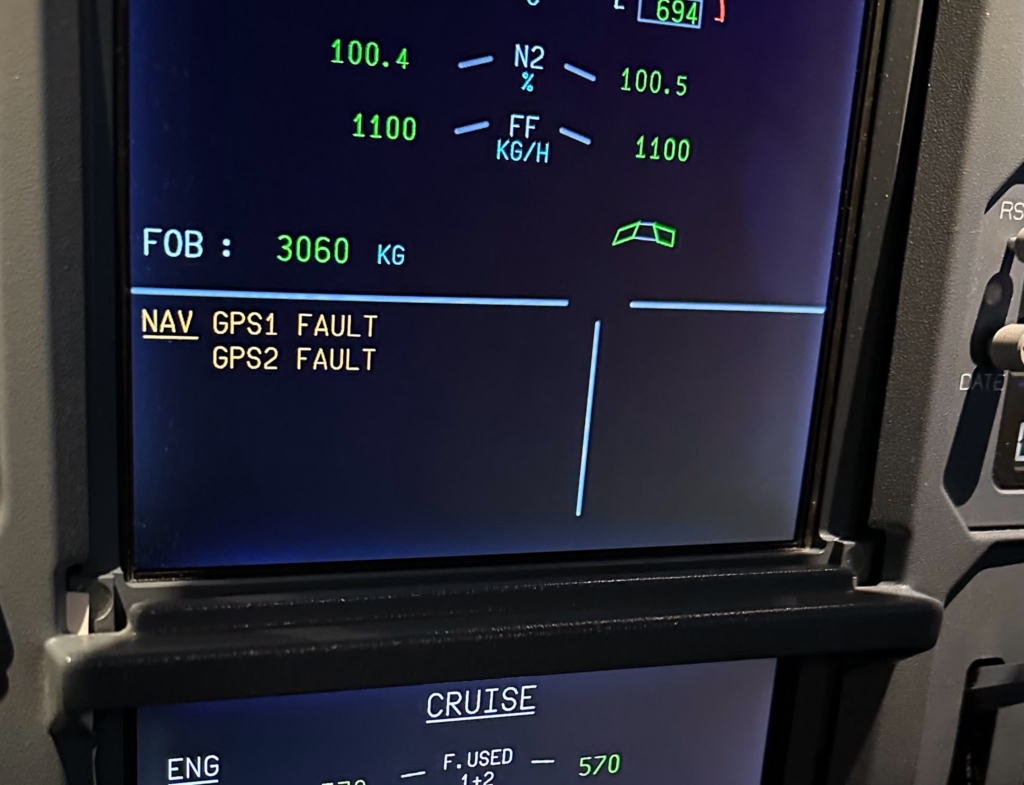
Airline and business jet crews regularly encounter GPS jamming in certain regions, particularly the Baltic Sea near Kaliningrad, the Eastern Mediterranean and around the Black Sea. It can also occur elsewhere due to military exercises or other military activity.
Is GPS jamming dangerous for planes?
“GPS jamming does not automatically put an aircraft in danger, but it can increase operational risk, particularly if crews are unaware of the interference”, airline pilot and aviation safety expert Pete Wilson told us.
“For the vast majority of airliners with multiple navigation systems, jamming is generally more of a nuisance than an immediate safety threat. But losing satellite navigation can increase pilot workload, restrict navigation options and make certain approaches unavailable”, he added.
Spoofing is more serious because it can trick an aircraft into believing it is somewhere entirely different. This is a particular issue near conflict zones or restricted airspace, where incorrect position information could have significant consequences.
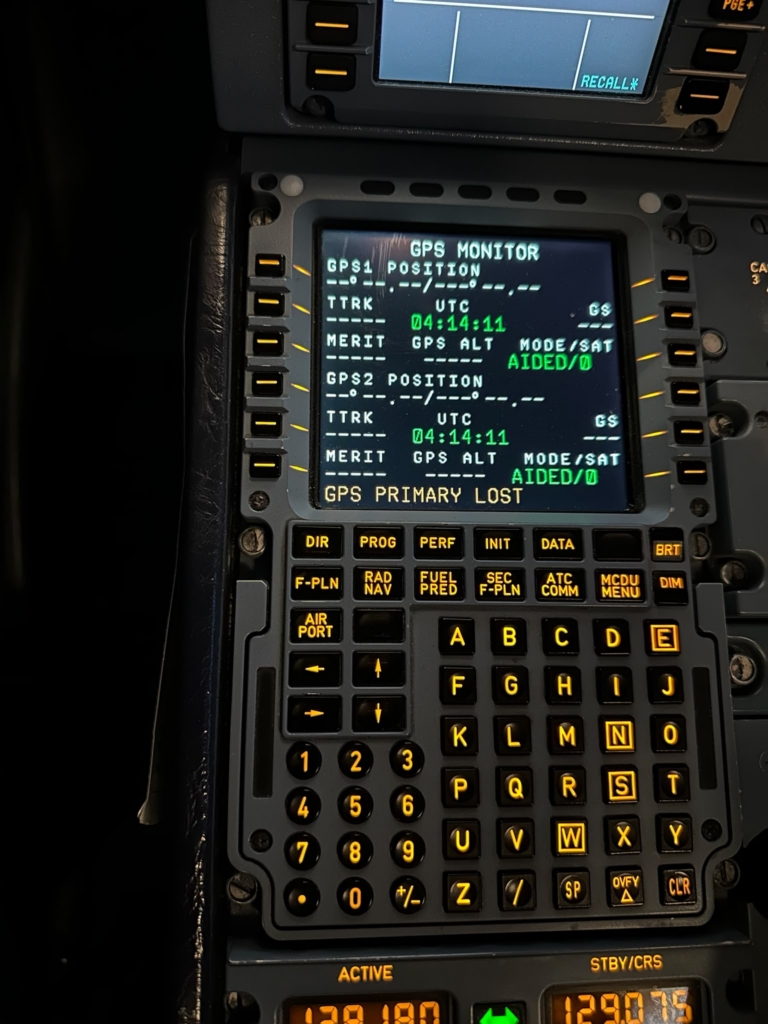
Crews operating in affected regions will generally be briefed on potential interference before departure, including contingency procedures for dealing with it.
How do pilots navigate when GPS fails?
Aircraft have several alternative navigation systems. One of them is Inertial Reference Systems (IRS) which use onboard sensors to calculate position and movement without external signals. They cannot be affected by GPS jamming, although small measurement errors accumulate over time.
Pete Wilson, who flies the Airbus A320neo commercially, also told us:
“The Airbus A320, for example, has three IRS units, two radio navigation systems using ground-based aids such as VOR and DME, and two GPS systems. These continuously cross-monitor one another and alert pilots to discrepancies.
He says:
“If GPS interference occurs, crews can deselect GPS as a navigation source and continue using the other systems. They can also monitor Actual Navigation Performance (ANP), which indicates how accurately the aircraft knows its position. This is typically within less than 0.1 nautical miles on an airliner.
VOR (VHF Omnidirectional Range) provides directional information, while DME (Distance Measuring Equipment) measures an aircraft’s distance from a ground station. Together with inertial navigation, these systems allow pilots to maintain situational awareness without GPS.”
When there’s a problem, crews must identify what it is, establish which information remains reliable and follow approved procedures. This may involve notifying air traffic control, switching navigation sources or selecting a different approach.
How GPS jamming disrupts flights, airports and air traffic control
Unfortunately, the impact of GPS jamming extends beyond the cockpit, potentially disrupting airline schedules, air traffic management and airport operations.
An aircraft might be unable to use a satellite-based approach at its destination, requiring an alternative procedure or potentially a diversion. Controllers may also need to adapt procedures and provide additional assistance.
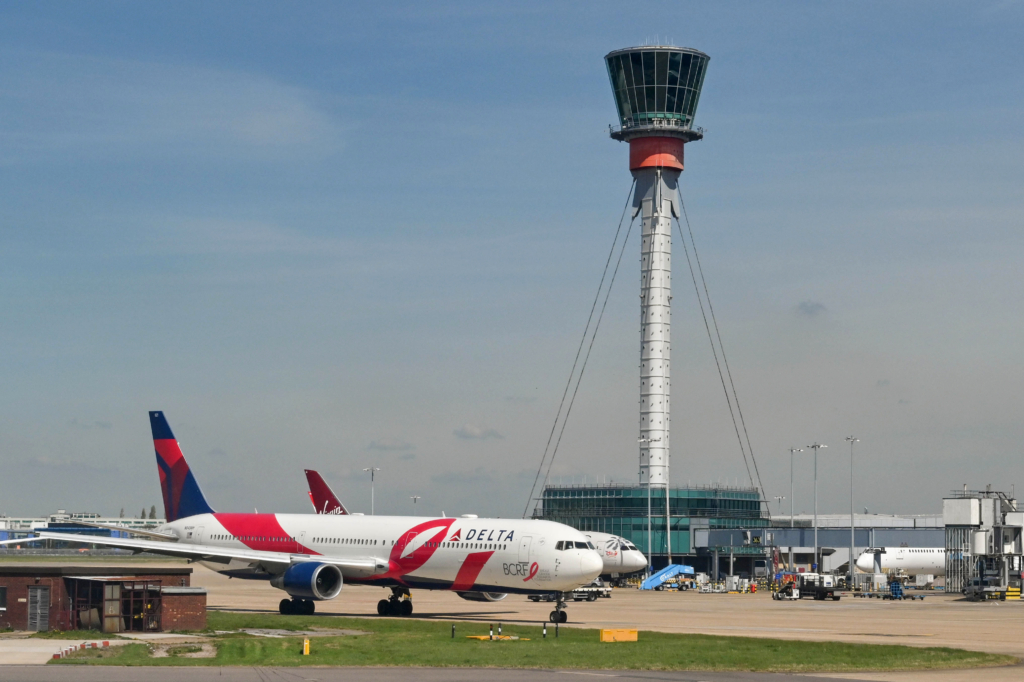
GNSS also provides precise timing information used by aviation systems and wider critical infrastructure, meaning interference can have consequences beyond aircraft navigation.
How the aviation industry is responding to rising GPS jamming and spoofing
The answer isn’t to stop using GPS, but to make sure aviation can keep operating when it isn’t available. That means better interference detection, reliable backup navigation systems and making sure pilots know how to respond. EASA and EUROCONTROL are working together to improve how the industry detects, reports and manages GNSS interference.
GPS has transformed aviation, but it can’t be relied on all the time. Keeping aircraft flying safely means having reliable alternatives when satellite signals can no longer be trusted.
Sign up for our newsletter and get our latest content in your inbox.
Similar Reads


Sign up for our newsletter. Select all sectors relevant to you.
Related