Norse Atlantic financial crisis threatens UK long-haul connectivity and charter operations

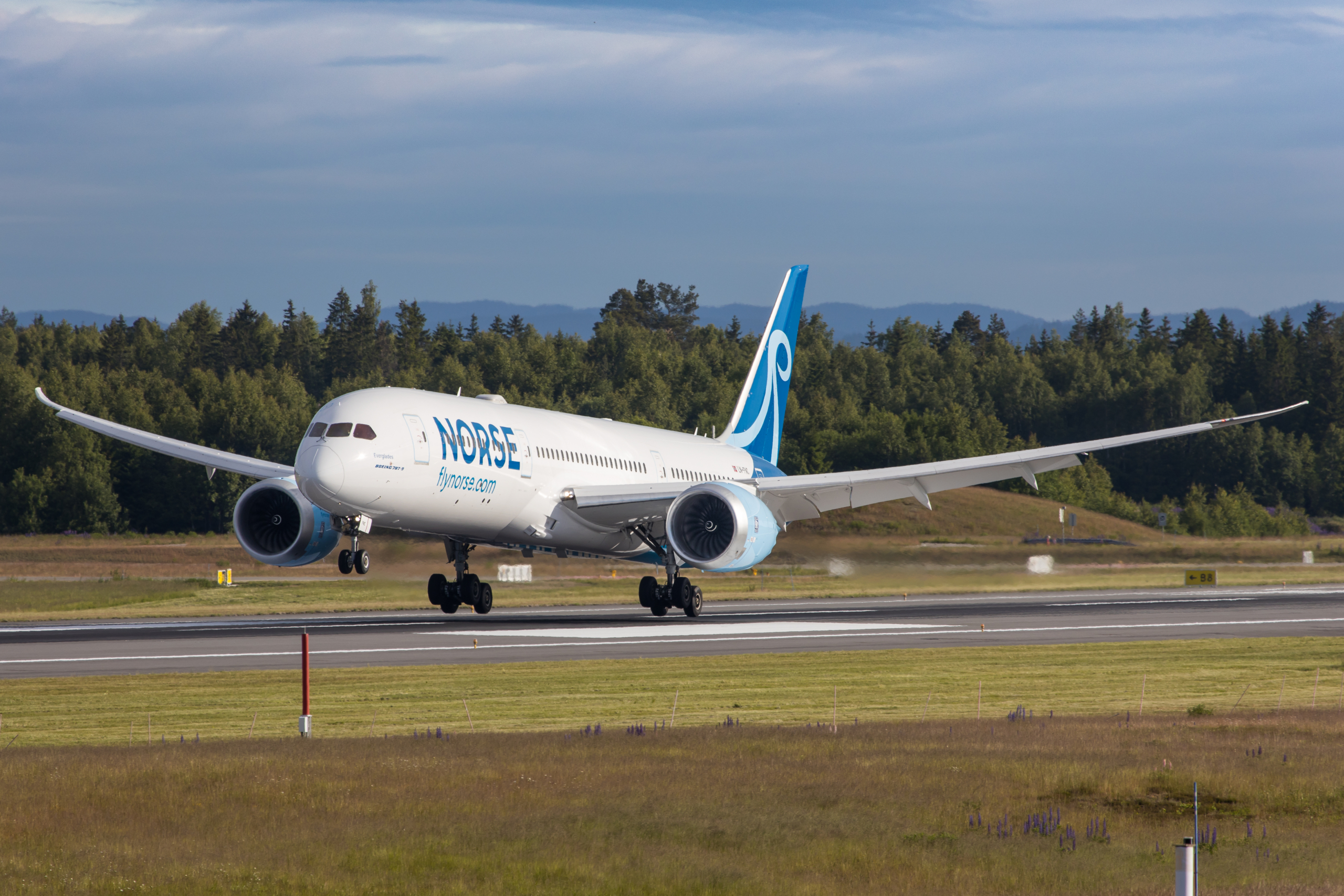
Norse Atlantic Airways has suspended flights amid an escalating financial crisis, putting UK aviation jobs, long-haul routes and contracts with international airlines and British travel companies at risk.
The Norwegian airline confirmed in a stock exchange announcement on 26 November that it had suspended all flights scheduled for Thursday while it attempts to secure emergency funding.
The announcement came less than 24 hours after the airline warned that its financial situation was “critical” and that it needed additional financing to continue operating.
Norse remains in discussions with potential investors over a takeover that would incorporate a financing solution. It also held a meeting on Wednesday with holders of its $52 million senior secured bonds, which mature in 2027.
However, the company has warned that there is no guarantee a solution will be found.
“If a short-term financing solution is not secured urgently, it is the Board’s intention to file for bankruptcy,” Norse said.
The airline’s shares fell by 85% on Wednesday, with further declines on Thursday morning taking the loss of its market value since the beginning of the year to more than 99%.
What does the Norse Atlantic crisis mean for UK aviation?
Although headquartered in Norway, Norse Atlantic has a significant presence in the UK through its British subsidiary, Norse Atlantic UK, which operates under its own Civil Aviation Authority Air Operator’s Certificate.
The airline established its UK operation in 2022, initially targeting the transatlantic market with affordable flights between London Gatwick and New York using Boeing 787 Dreamliners.
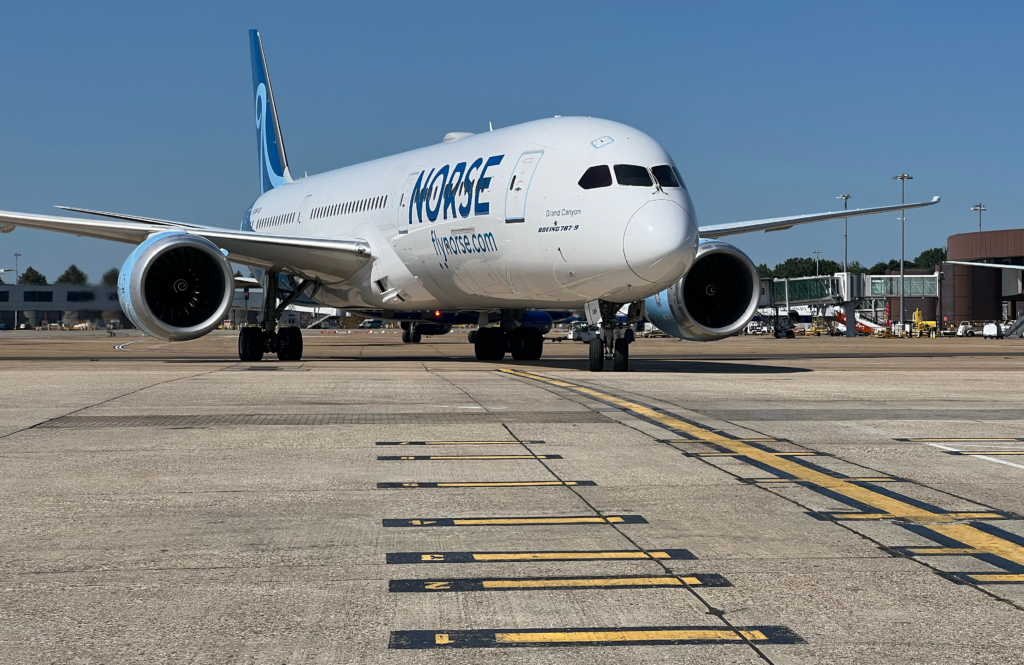
While its network has evolved considerably since then, Norse has remained an important provider of long-haul capacity from UK airports, both through its own scheduled services and through aircraft leasing and charter agreements with other operators.
The suspension comes at a particularly challenging time for the UK travel industry, with the peak winter holiday season approaching and Norse having committed significant additional capacity to popular leisure destinations.
Gatwick and Manchester face a setback to long-haul expansion
In June, Norse Atlantic announced a significant expansion of its winter 2026/27 programme, with the UK accounting for a substantial proportion of the additional capacity.
Alongside its existing services from Gatwick to Orlando, Cape Town and Bangkok, the airline planned to introduce a three-times-weekly service between Gatwick and Phuket in Thailand.
However, arguably the biggest setback will be felt at Manchester Airport, where Norse was preparing to quadruple the frequency of its seasonal Bangkok service.
| UK airport | Destination | Status before suspension |
|---|---|---|
| Gatwick | Orlando (MCO) | Existing service |
| Gatwick | Cape Town (CPT) | Existing service |
| Gatwick | Bangkok (BKK) | Existing service |
| Gatwick | Phuket (HKT) | New route planned for December 2026 |
| Manchester | Bangkok (BKK) | Seasonal service; planned expansion from one to four weekly flights |
Source: Norse Atlantic Airways. Excludes third-party charter and ACMI operations.
The route, the only direct air connection between the north of England and the Thai capital, had operated once a week during its inaugural winter season. Strong passenger demand prompted Norse to increase this to four weekly services, with flights scheduled to resume on 5 December and continue until 18 April 2027.
The expansion represented an important development for Manchester’s long-haul network, providing passengers with an alternative to travelling via London or connecting through overseas hubs.
Norse Atlantic’s UK airline contracts disrupted
The impact of Norse’s financial difficulties extends beyond its own scheduled passenger services, with disruption already affecting other airlines operating from the UK.
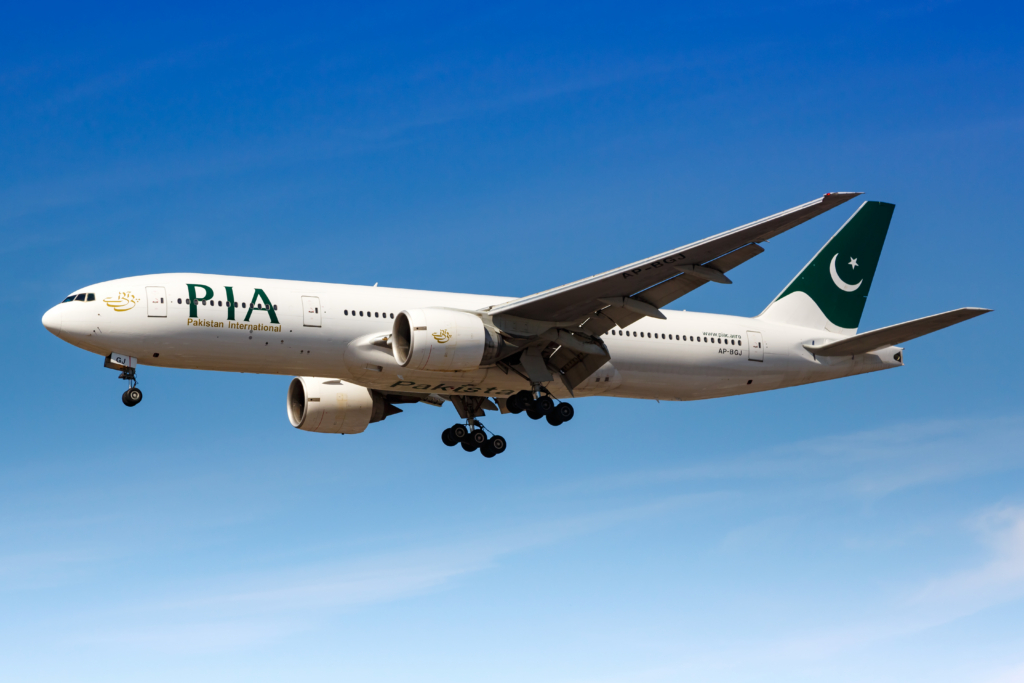
In October, Norse signed an aircraft, crew, maintenance and insurance (ACMI) agreement with Pakistan International Airlines (PIA) for two Boeing 787-9 Dreamliners to support the Pakistani flag carrier’s UK operations.
However, PIA was forced to cancel flights from Heathrow to Islamabad and Manchester to Lahore on 25 November after Norse unexpectedly suspended operations.
PIA said it had received notification of the suspension shortly before passengers were due to board. The airline has subsequently confirmed it will deploy its own Boeing 777 aircraft across its UK network from 26 November.
The contract with PIA had represented an important commercial opportunity for Norse following the loss of its much larger agreement with Indian airline IndiGo, which at its peak accounted for six of Norse’s 12 Dreamliners.
That partnership had also supported UK connectivity, including IndiGo’s direct services between Manchester and Mumbai. The remaining aircraft were released from the agreement at the beginning of November, leaving Norse seeking alternative customers for a substantial proportion of its fleet.
P&O Cruises faces charter disruption
British cruise operator P&O Cruises is also affected by the grounding of Norse’s aircraft.
The airline was one of three aviation partners, alongside TUI Airways and Virgin Atlantic, selected to support the cruise company’s winter 2026/27 Caribbean programme.
Norse had been contracted to operate flights to Antigua from Gatwick and Manchester, as well as services to Barbados from Gatwick, Manchester, Cardiff, Glasgow and Newcastle on selected dates between October 2026 and March 2027.
The arrangement formed part of P&O Cruises’ efforts to expand regional departures, enabling passengers to begin their holidays closer to home.
The cruise company has indicated that contingency plans are in place to support its operations.
An uncertain future for Norse Atlantic’s UK operations
Norse had increasingly turned to charter and wet-leasing agreements as it sought to reduce its exposure to the volatile economics of low-cost long-haul aviation.
Indeed, in February, the airline announced that it had completed a transition towards a business model combining longer-term aircraft leasing contracts with a more selective scheduled passenger network, intended to reduce its exposure to fluctuating fuel prices and passenger demand.
The premature termination of its IndiGo agreement, coupled with persistently high fuel prices, has undermined that strategy.
Should Norse fail to secure emergency financing, its collapse would not only remove a competitor from the UK’s long-haul market but also take a significant provider of widebody charter capacity out of the industry, potentially leaving airlines and travel companies competing for replacement aircraft at short notice.
Sign up for our newsletter and get our latest content in your inbox.
Similar Reads


Sign up for our newsletter. Select all sectors relevant to you.
Related