UK invests £8bn to get Royal Navy nuclear submarines back to sea faster

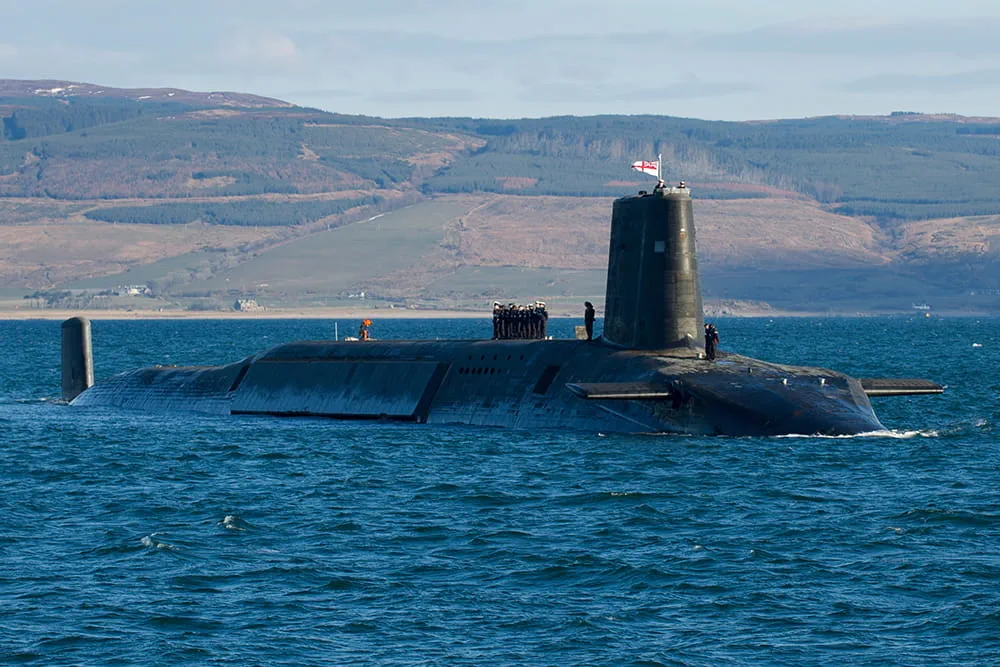
Babcock has signed an £8 billion Gateway Agreement with the UK Ministry of Defence that will transform the way submarine maintenance and critical naval base services are delivered.
The new contract with Babcock is the second multi-billion-pound submarine-related deal since the publication of the Defence Investment Plan.
The Gateway Agreement covers critical submarine support, maintenance, technical services and naval base support for the UK’s submarine enterprise, including support for the transition from the Vanguard to Dreadnought classes.
Prime Minister Andy Burnham said, “This investment is a clear demonstration of that commitment – supporting not just the submarines that maintain our nuclear deterrent but also the people who build and maintain them.”
Thousands of jobs set to be created
The contract is effective from 1 December 2026 and the agreement is for five years with a potential aggregate term of up to 15 years.
The government claims that the Gateway Agreement will see the creation of around 3,000 highly skilled jobs across Plymouth, Clyde, and Bristol.
Another 2,500 apprentice and graduate roles are also expected to be created. Babcock also says the agreement safeguards 8,500 existing nuclear defence jobs.
Maddy McTernan, Chief of Defence Nuclear at the UK MoD, said: “The MoD’s new agreement with Babcock is the latest step in the Defence Nuclear Enterprise’s drive to partner more effectively with our industry partners so we can together improve delivery against our critical mission, to keep safe and capable Royal Navy submarines at sea.”
The Defence Nuclear Enterprise (DNE) currently supports around 47,000 UK jobs, which is expected to rise to around 65,000 by 2030.
UK strengthening its readiness
Defence Secretary Wes Streeting MP said in a statement that the agreement demonstrates that Britain will not “repeat the mistakes of the past” including delaying investment in the country’s nuclear capability.
He added: “Not only will this agreement get our subs out of the docks and into the sea faster, it will create 5,500 new jobs, apprenticeships and graduate opportunities.”
The Defence Secretary underscored that the Royal Navy’s nuclear submarines are the “cornerstone” of national security and that Britain’s deterrent is only as strong as its ability to keep its boats at sea.
Funding includes around £2.4 billion of spending in the wider UK supply chain. Of this, £1 billion is targeted at small and medium-sized businesses.
Harry Holt, Babcock Chief Executive Officer, said: “Babcock will continue to strengthen sovereign, industrial capabilities, bringing benefits to communities across the country, including SMEs and local supply chain.
“Together we will further strengthen the UK’s defence readiness and national strategic resilience.”
Helping build and maintain the submarines
The funding will help the Royal Navy to get its submarines out of the maintenance docks and to sea faster. An increased workforce will help improve industry productivity and allow the Royal Navy’s submarines to meet their NATO, AUKUS, and deterrence commitments.

First Sea Lord and Chief of Naval Staff General Sir Gwyn Jenkins hailed the Gateway Agreement, saying the subs are the “bedrock” of national security and that it will enable “tackling the delays that hold us back and getting submarines through maintenance quicker and back where they belong: beneath the waves.”
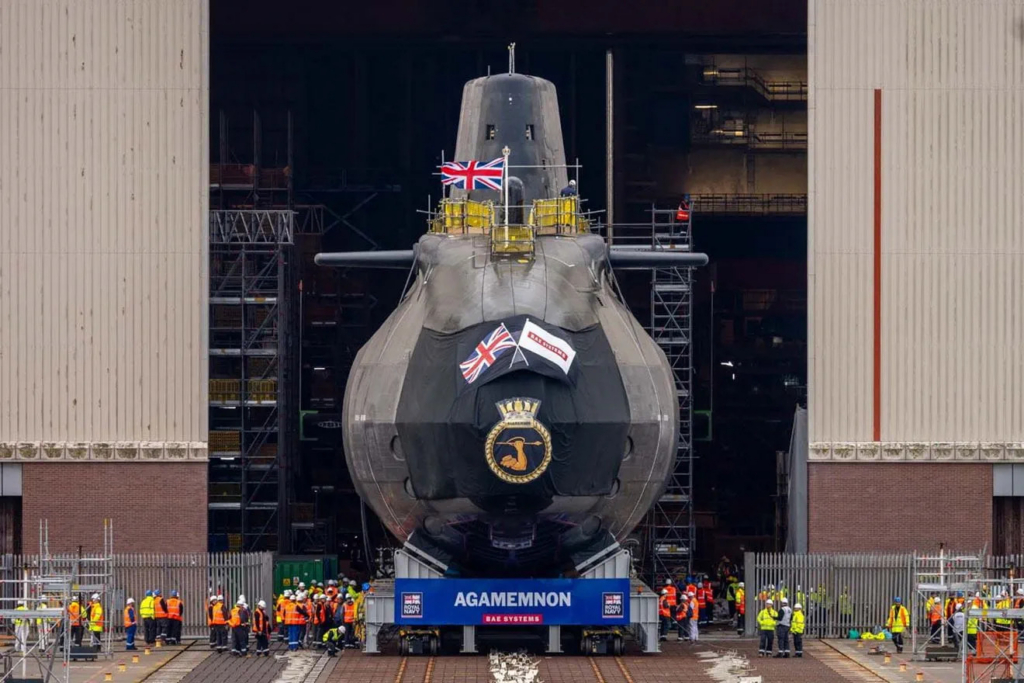
ADS Advance has previously reported that Britain is investing the funds to double its submarine output to one every 18 months. It is finishing the last Astute-class nuclear attack submarines, building the four Dreadnought-class ballistic nuclear submarines, and gearing up to cut steel on the AUKUS class in 2027.
The funding also includes funding for future autonomous capabilities, as well as surface fleet facilities.
Sign up for our newsletter and get our latest content in your inbox.
Similar Reads





Sign up for our newsletter. Select all sectors relevant to you.
Related