General Atomics

Aerospace Bristol launches major restoration of Europe’s last Bristol Type 170 Freighter

Built in 1953, the aircraft represents a bygone era in piston-engined air travel and will go on display for generations to come.

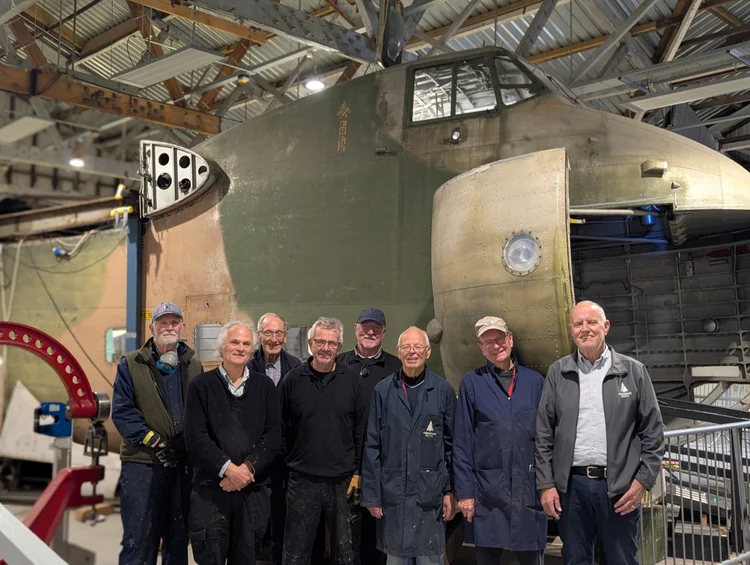
Bristol Freighter restoration group
Photo: Aerospace Bristol

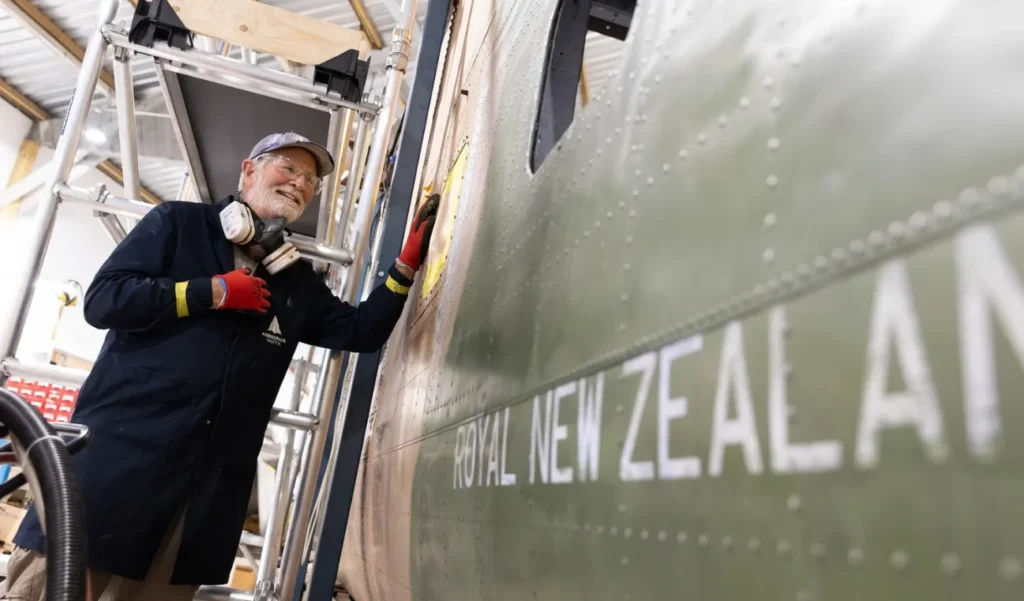
Aerospace Bristol has embarked on its most ambitious restoration project to date, announcing on 21 May this year the full conservation and restoration of Bristol 170 Freighter NZ5911 at its Filton museum near Bristol.

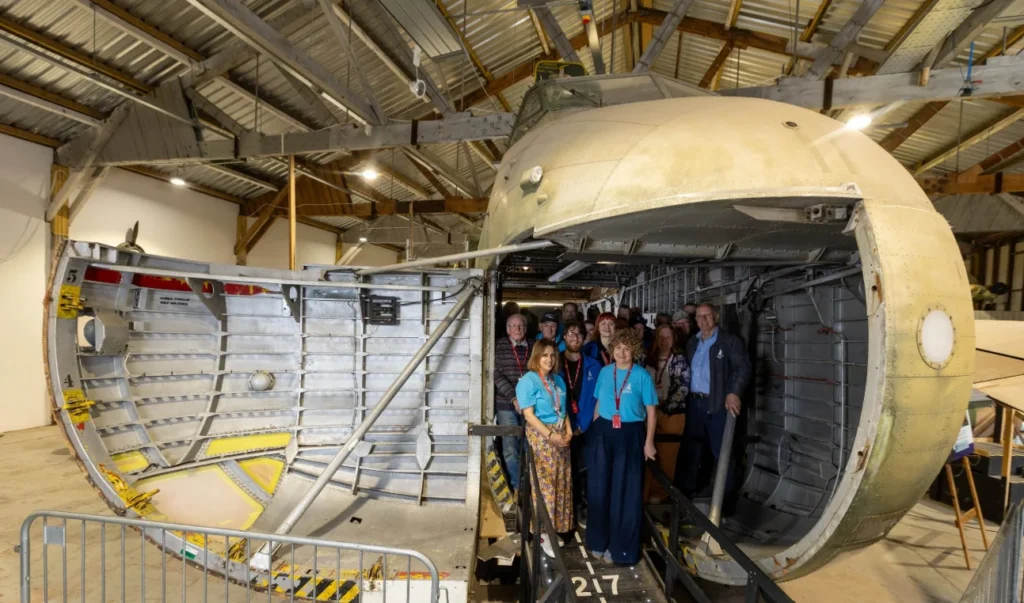
The aircraft, the last surviving Bristol Type 170 anywhere in Europe, will be restored to full display condition over the coming years by a dedicated team of volunteers. Once completed, it will become the centrepiece of a new outdoor exhibition, allowing visitors unprecedented access via viewing platforms and entry points to the cockpit.

Built in 1953 as a Freighter Mk.31M, NZ5911 entered service with No. 41 Squadron of the Royal New Zealand Air Force (RNZAF) in April 1954. During its military career, it operated extensively throughout New Zealand, the Pacific and Southeast Asia, undertaking transport and support missions, including service during the Vietnam War. The aircraft remained in RNZAF service until its retirement in 1977.

The following year, the Freighter was purchased by Dwen Airmotive and registered ZK-EPG. On 31 August 1978, it was ferried from Whenuapai Airfield to Ardmore Airport, south of Auckland, in what proved to be its final flight before entering long-term storage.
Aerospace Bristol has embarked on its most ambitious restoration project to date, announcing on 21 May this year the full conservation and restoration of Bristol 170 Freighter NZ5911 at its Filton museum near Bristol. The aircraft, the last surviving Bristol Type 170 anywhere in Europe, will be restored to full display condition over the coming years by a dedicated team of volunteers. Once completed, it will become the centrepiece of a new outdoor exhibition, allowing visitors unprecedented access via viewing platforms and entry points to the cockpit. Built in 1953 as a Freighter Mk.31M, NZ5911 entered service with No. 41 Squadron of the Royal New Zealand Air Force (RNZAF) in April 1954. During its military career, it operated extensively throughout New Zealand, the Pacific and Southeast Asia, undertaking transport and support missions, including service during the Vietnam War. The aircraft remained in RNZAF service until its retirement in 1977. The following year, the Freighter was purchased by Dwen Airmotive and registered ZK-EPG. On 31 August 1978, it was ferried from Whenuapai Airfield to Ardmore Airport, south of Auckland, in what proved to be its final flight before entering long-term storage. After decades in New Zealand, the aircraft was recovered by Aerospace Bristol in 2018 and transported back to its birthplace in Bristol in sections. Since then, it has awaited its place in the museum's restoration programme. The project will be undertaken by a team of up to 50 highly skilled volunteers, many of them former aerospace engineers and ex-employees of the Bristol Aeroplane Company. Collectively, they are expected to contribute more than 10,000 hours to returning the aircraft to display condition. Because the Bristol Freighter is too large to fit inside the museum once its wings have been reattached, the aircraft will be carefully moved from its current indoor location and reassembled outdoors. The final stages of the project will include extensive corrosion treatment, weatherproofing and the implementation of a long-term conservation plan designed to preserve the aircraft for future generations. The return of NZ5911 to Bristol in January 2018 was itself a major undertaking. The dismantled aircraft was shipped from Ardmore Airport with support from several organisations, including the Association for Industrial Archaeology, while the restoration is being led by Aerospace Bristol's volunteer team. ST Kate Rambridge, Interpretation Lead at Aerospace Bristol, described the project as "a once-in-a-generation opportunity to conserve and share the story of an extraordinary aircraft." "The Bristol Freighter connects Bristol's world-leading aviation heritage with global histories of innovation, conflict and travel," she said. "This project enables us not just to conserve this aircraft but to bring those stories to life for new generations." Sally Cordwell, Chief Executive of Aerospace Bristol, said the restoration reflects the museum's wider mission. "This project represents everything Aerospace Bristol stands for. It's about preserving our history, celebrating the contribution and stories of the people behind Bristol's aviation legacy, and inspiring future generations." When complete, the restored Bristol Freighter will stand as a fitting tribute to one of Britain's most distinctive post-war transport aircraft and ensure that Europe's sole surviving example continues to tell its remarkable story for decades to come. Bristol Freighter renovation
Photo: Aerospace Bristol

After decades in New Zealand, the aircraft was recovered by Aerospace Bristol in 2018 and transported back to its birthplace in Bristol in sections. Since then, it has awaited its place in the museum’s restoration programme.

The project will be undertaken by a team of up to 50 highly skilled volunteers, many of them former aerospace engineers and ex-employees of the Bristol Aeroplane Company. Collectively, they are expected to contribute more than 10,000 hours to returning the aircraft to display condition.

Because the Bristol Freighter is too large to fit inside the museum once its wings have been reattached, the aircraft will be carefully moved from its current indoor location and reassembled outdoors. The final stages of the project will include extensive corrosion treatment, weatherproofing and the implementation of a long-term conservation plan designed to preserve the aircraft for future generations.

The return of NZ5911 to Bristol in January 2018 was itself a major undertaking. The dismantled aircraft was shipped from Ardmore Airport with support from several organisations, including the Association for Industrial Archaeology, while the restoration is being led by Aerospace Bristol’s volunteer team.

Renovating a classic aircraft for future generations

Kate Rambridge, Interpretation Lead at Aerospace Bristol, described the project as “a once-in-a-generation opportunity to conserve and share the story of an extraordinary aircraft.”

“The Bristol Freighter connects Bristol’s world-leading aviation heritage with global histories of innovation, conflict and travel,” she said. “This project enables us not just to conserve this aircraft but to bring those stories to life for new generations.”
Bristol Freighter renovation
Photo: Aerospace Bristol

Sally Cordwell, Chief Executive of Aerospace Bristol, said the restoration reflects the museum’s wider mission.

“This project represents everything Aerospace Bristol stands for. It’s about preserving our history, celebrating the contribution and stories of the people behind Bristol’s aviation legacy, and inspiring future generations.”

When complete, the restored Bristol Freighter will stand as a fitting tribute to one of Britain’s most distinctive post-war transport aircraft and ensure that Europe’s sole surviving example continues to tell its remarkable story for decades to come.

Related

UK SMEs risk falling behind in AI race, NatWest warns
Engineer male advance robotic machine designer team talking with electronic component part supplier business consulting in heavy machinery industry concept.
UK SMEs risk falling behind in AI race, NatWest warns
Larger businesses are adopting AI at nearly twice the rate of smaller firms, with NatWest warning that skills and investment barriers could leave many SMEs struggling to keep pace.
Aerospace Focus

1 Oct 2026

Why skilled returners can help meet defence job targets
Natalie Destry
Why skilled returners can help meet defence job targets
A new white paper published by STEM Returners and backed by Vice Admiral (Retd) Sir Martin Connell KCB CBE, is urging the UK Government to help bring experienced professionals back into the workforce and meet defence recruitment targets.
Royal Navy demonstrates ship-busting firepower with Naval Strike Missile and Sea Venom
Image: MOD Crown Copyright/Royal Navy
Royal Navy demonstrates ship-busting firepower with Naval Strike Missile and Sea Venom
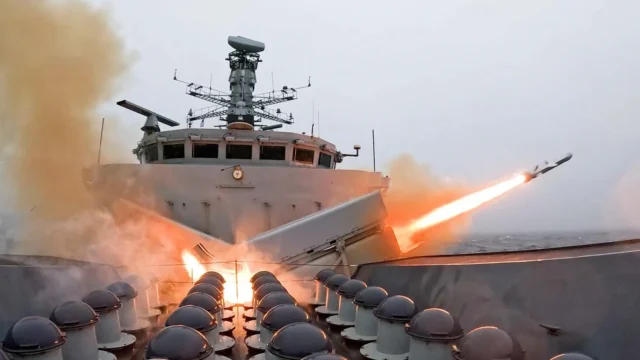
HMS Portland and her embarked Wildcat HMA2 demonstrated the Royal Navy’s evolving maritime strike capabilities during the sinking of the former-USS Krakring off the coast of Scotland as part of Exercise Atlantic Thunder 2026.
Aerospace Defence

30 Sep 2026

Tiberius Aerospace secures $500m Sceptre contract
SCEPTRE
Tiberius Aerospace secures $500m Sceptre contract
A $500 million collaboration agreement for Tiberius Aerospace's Sceptre programme aims to strengthen UK-US defence cooperation through shared technology development, manufacturing and AI-enabled industrial collaboration.
Defence Member News

1 Oct 2026

More than 25% of UK defence firms plan to invest £100m+ over the next year
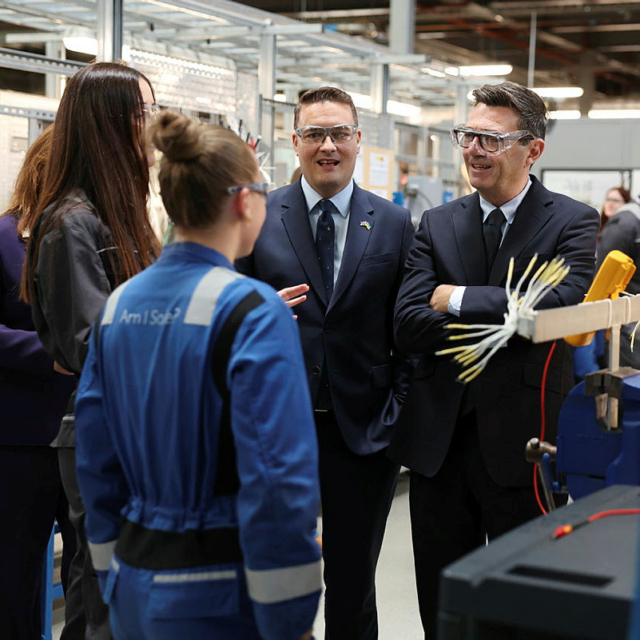
UK Prime Minister Andy Burnham and Defence Secretary Wes Streeting visit BAE Systems' facility in Barrow-in-Furness, Scotland, on 30 July 2026. Image: MOD Crown Copyright/Lauren Hurley
More than 25% of UK defence firms plan to invest £100m+ over the next year
Over a quarter of UK defence firms will invest over £100 million in the next year, with air defence, counter-drone systems and cybersecurity as priorities.
Defence

1 Oct 2026

UK defence growth reshapes property market as demand for specialist space surges
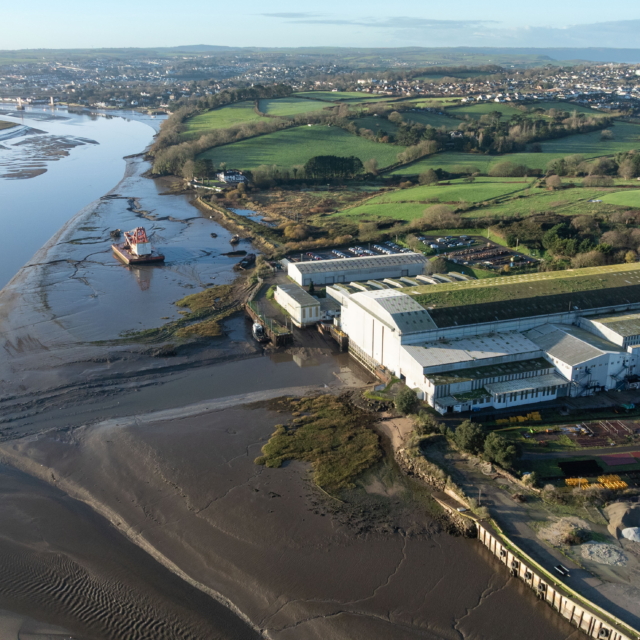
An aerial image of the Appledore Shipyard in North Devon. Image: MOD Crown Copyright/Charlie Perham
UK defence growth reshapes property market as demand for specialist space surges
The UK’s ongoing defence expansion is creating a major demand for industrial, logistics, office and research and development space as property firms target defence occupiers.
Defence

1 Oct 2026

Filtronic wins SpaceX contract to support Starlink network
ground station
Filtronic wins SpaceX contract to support Starlink network
Sedgefield headquartered Filtronic has won a $68.1 million (£51.52m) order from SpaceX to support its Starlink network, highlighting the growing global demand for UK-developed space technology.
Member News Space

1 Oct 2026

Why skilled returners can help meet defence job targets
Natalie Destry
Why skilled returners can help meet defence job targets
A new white paper published by STEM Returners and backed by Vice Admiral (Retd) Sir Martin Connell KCB CBE, is urging the UK Government to help bring experienced professionals back into the workforce and meet defence recruitment targets.
Skyrora completes hot-fire test of scaled-down orbital vehicle systems
Skyrora-hot-fire test of scaled-down orbital vehicle systems
Skyrora completes hot-fire test of scaled-down orbital vehicle systems
With its static hot-fire testing of a smaller scale version of its orbital launch vehicle, Skyrora is addressing engineering challenges and reducing technical risk, before scaling up the development of its Skyrora XL rocket programme.
Member News Space

30 Sep 2026

New tools to tackle prison drones, drugs and help offenders into work
National Police Chiefs Council photo of police on duty
New tools to tackle prison drones, drugs and help offenders into work
Lord Chancellor Alex Norris has announced a series of new measures aimed at tackling prison drones, curbing substance abuse and assisting offenders in securing work and accommodation.
Security

1 Oct 2026

UK policing’s first AI crime reporting system goes live in Cambridgeshire
AI online crime reporting test goes live in Cambridgeshire
UK policing’s first AI crime reporting system goes live in Cambridgeshire
The pilot uses conversational AI to gather crime reports, ask follow-up questions and submit a structured crime report directly into police systems.
Security

1 Oct 2026

British Transport Police extends facial recognition trial despite zero direct arrests
Operational Testing of Facial Recognition Technology
British Transport Police extends facial recognition trial despite zero direct arrests
BTP has extended its live facial recognition trial to the London Underground after more than 500,000 scans produced one false match and no direct arrests.
Security

1 Oct 2026