Air League calls for measures to secure future of UK aviation and aerospace
Courtesy Air League
The last two weeks or so have seen the cancellation of the Farnborough International Air Show, the Royal International Air Tattoo, as well as the RAF Cosford air show and the cessation of the RAF Air Cadets activities, until further notice. There will, therefore, be little opportunity for young people to be engaged by the aviation and aerospace industries in 2020.

These are inspiring sectors with highly paid, highly skilled jobs, and prospects which are easily transferable in the global economy. The Air League is concerned that a significant proportion of young people aged 13-18 will be unable to access their career choices as a result of current disruption and this will have a considerable impact on the number of applications to study at degree level or work in apprenticeships in the next few years. The third sector, government, industry and the education system need to work together in a co-ordinated way across the UK to create opportunities, to engage young people to fill the damaging void left by the cancellation of so many 2020 activities.
General Aviation
The General Aviation (GA) community is the grass roots or lifeblood of aviation and fundamentally important to the future of the industry. It trains the pilots and aircrew needed to supply future growth across the globe (estimated at 650k in the next 20 years). The Air League is concerned that this segment of the industry could largely collapse if not appropriately supported. The UK’s aviation training companies aid exports through delivering pilots to many global airlines and consideration should be given to supporting training institutions, in order to break the boom and bust cycle of aviation training. The sector is already under strain from airfield redevelopment plans which are diminishing the capacity of the GA community. Pilot training is an essential role of GA and already the UK struggles to produce enough pilots to meet demand. The Air League is concerned by the impact of COVID-19 from a pilot training perspective, the scale of the problem can only be estimated at the moment, though based on the 9/11 experience, this will last for several years.
The Environment
The current circumstances present an opportunity to drive the de-carbonisation agenda in a way which positions the UK for the future, as older and less fuel efficient aircraft may be taken out of service earlier and replaced with more efficient models. Historically, as was the case after 9/11, some older and less fuel efficient aircraft will not re-enter service. While it is tempting for some to think that current restrictions on air travel will help with decarbonisation, the long term picture is
for airline passenger and cargo growth to underpin worldwide markets and trade. This is unlikely to be stemmed. However, without revenues enabling the industry to invest in the next generation of aircraft with the latest engines and systems, the progressive and innovative approach taken by the industry in recent years will be dramatically curtailed.
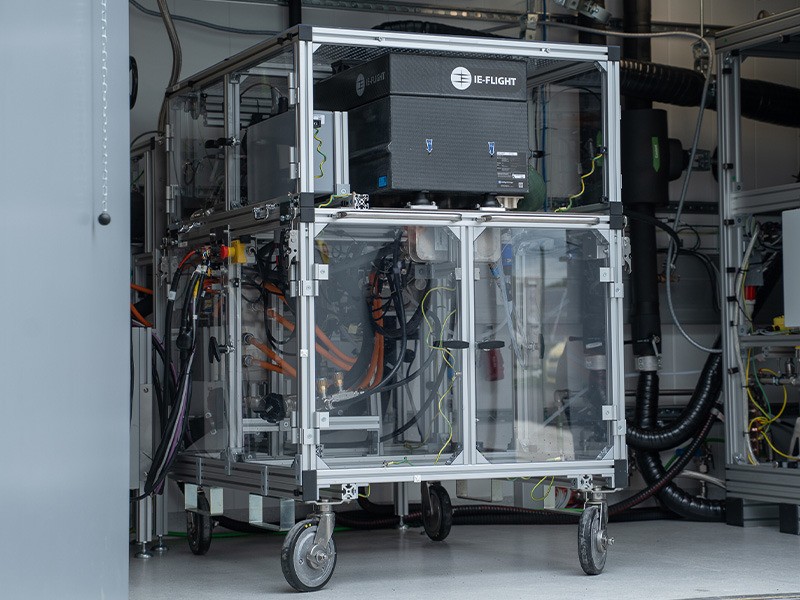
The UK can take a lead in sustainable aviation activities and link these to the COP26 conference at the end of this year. The industry has made great strides forward including in electrification and alternative fuels which will greatly reduce aviation’s carbon impact and it is important that R&D momentum and the commercialisation of technologies from SME’s is not lost. The UK must be bold: the crucial point here is that these technologies are continuing to develop, that UK companies should be encouraged to be leaders in this activity and that the UK government should give clear support to such companies. Sustainable aviation initiatives should be nurtured with R&D and innovation grants to ensure that they can be made commercially attractive to generate new high skilled employment opportunities and create substantial economic benefits for the nation.
The Air League
The Air League is a sector leading aviation and aerospace charity focused on changing lives through aviation. Its core purpose is to inspire people into the aviation industry from all ackgrounds and to champion the British Aviation and Aerospace Industry. Each year many hundreds of people from disadvantaged backgrounds benefit from Air League support to help them start a career, build selfesteem and well-being, make them feel valued and realise what they can achieve.
The Air League fosters interest in the whole field of aviation, aerospace and defence, particularly in developing young people and providing opportunities for the less advantaged. The Air League supports the UK’s aviation and aerospace communities through the Leading Edge, Air League in Parliament, receptions, lectures and policy papers which articulate the advanced technologies and crucial industry skills which are vital to the economic success of the UK. The Air League is also the UK’s largest provider of flying scholarships and bursaries.
Global Economy & Trade
The Air League said aviation is a fundamental driver of international trade, where the connectivity that it provides is a key component in delivering national competitiveness and enabling exports.
The Air League believes that UK Plc must come first through any governmental support being focused on airlines, airports and the passengers and many entirely sensible recommendations have been made on easing the regulatory and taxation burden on airlines, airports as well as the leisure and business traveller.
It is beyond doubt that the UK needs to take immediate steps now to ensure the maintenance of an industry that will satisfy the needs of the UK economy once COVID-19 has passed so that the UK economy can react without delay in the recovery period.
While the government announced that it is prepared to enter into negotiations with individual airlines, HMG, when shareholder and commercial options have been exhausted, might also consider matching the support of other nations and be prepared to support for Air Navigation Service Providers, MROs and training organisations.
Aviation is a sector which has been notoriously hampered by a far from level playing field internationally and the current circumstances together with the government’s policies on Brexit represent an opportunity for bold action by HMG. What amounts to nationalisation and state support elsewhere has been and will continue to be used to keep an number of European airlines in business and it seems that the US government may also use grant finance to do this with its own domestic and international carriers.
The UK should not materially disadvantage itself by failing to assist UK aviation now before it is too late. A multifaceted resilience plan needs to be developed that in future recognises the importance of the aviation industry and its value to the economic prosperity, while ensuring that markets are not distorted and that business models are positively changed. New opportunities include the virtual airline model whereby smaller airlines can pool non-competitive activities to generate economies of scale.
There have been a number of encouraging developments such as the general relaxation of the airports ‘use it or lose it rule’ though there needs to be a longer term cross-border approach to such measures. Changes more widely to slot allocation rules including who holds and owns them must be considered.
If air traffic recovery is slow and prolonged, there will be a need to avoid the rules coming back in and ghost flights maintaining the right to use the slots in the corresponding subsequent season. In the longer term we believe that Air Passenger Duty, when conditions are right for its reintroduction, should be hypothecated and become an environmental tax specifically allocated to research and development of ways to mitigate travel by air.