17,000 aircraft on order: How does the industry actually clear the backlog?


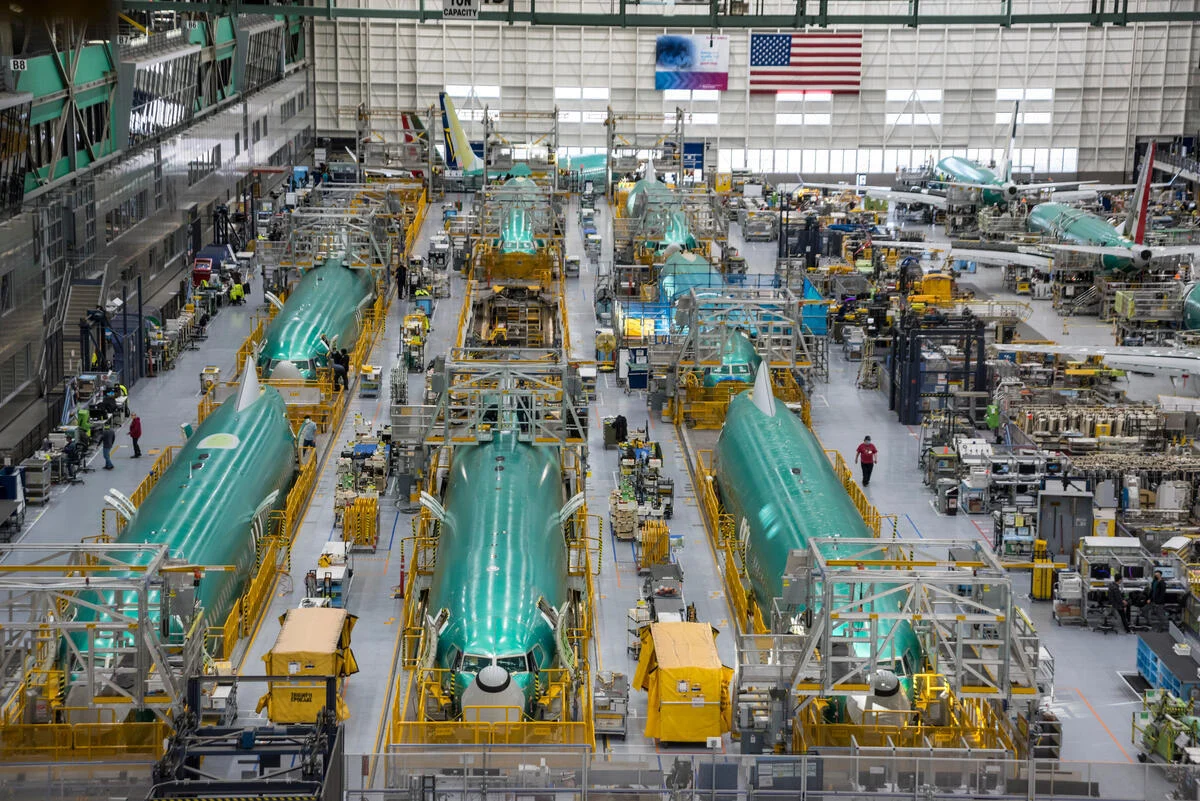
More than 17,000 commercial aircraft are waiting to be delivered. Airlines want new planes, manufacturers have full order books, and yet deliveries are struggling to keep up.
It sounds great on the surface but this is not about a lack of customers. It’s about whether manufacturers can build aircraft quickly enough to meet demand.
The answer comes down to three things: increasing production, getting suppliers up to speed and keeping deliveries ahead of new orders. None of them are as straightforward as they sound.
Raising production rates
Boeing’s 737 MAX programme shows how big the challenge really is. In June 2026, the company was producing 47 aircraft a month, up from 42, with a target of 63. A further increase to 70 was being considered, but was not yet a firm commitment.

Boeing chief executive Kelly Ortberg explained the caution: “We’ll look at that to understand where our constraints are, what the resilience is of the supply chain, but that’s a study activity right now.”
The point is that increasing production is not just a matter of asking factory workers to build more planes. Every aircraft needs engines, landing gear, avionics and thousands of other components, all available when they are needed.
Aircraft parts suppliers have to keep pace
Aircraft manufacturers, including Airbus and Boeing, rely on a global network of specialist businesses. A shortage at one of these suppliers can hold up deliveries across an entire programme, even when the aircraft is otherwise ready.
Airbus has faced this problem directly. In its first-quarter 2026 results, chief executive Guillaume Faury said the company was “closely monitoring the potential impact from the fast-changing situation in the Middle East” and highlighted the shortage of Pratt & Whitney engines as a constraint on its production plans.
Manufacturers need to know where these constraints are and help suppliers tackle them. That might mean investing in machinery, improving production planning or giving smaller businesses clearer forecasts so they can recruit staff and expand with greater confidence.
UK companies that make engines, wings and other aircraft parts could benefit as production increases. But they will need enough skilled workers, equipment and funding to keep up with demand.
More aircraft, without more delays
Increasing output is only useful if manufacturers can maintain quality. Aircraft components must meet strict safety requirements, and cutting corners would create bigger problems further down the line.
Some gains can come from making better use of existing facilities. That is, reducing machinery downtime, improving scheduling and catching production problems before they lead to rework.
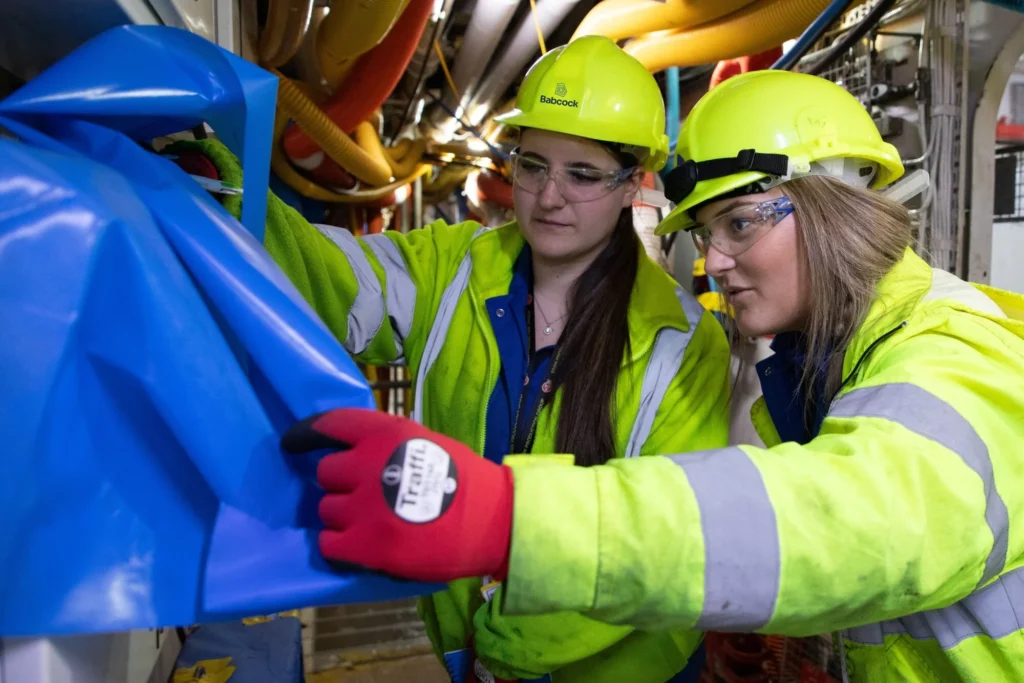
Training more skilled workers is equally important. After all, new equipment cannot deliver higher output on its own.
The International Air Transport Association (IATA) has warned that the consequences extend beyond manufacturers. Before the end of his tenure this year, Director General Willie Walsh said airlines face higher leasing costs, less flexibility in scheduling and delays to improvements in fuel efficiency. He called for “no effort” to be spared in accelerating solutions.
How does the backlog actually shrink?
Ultimately, the backlog will only fall when manufacturers deliver more aircraft than airlines order. The real task is in maintaining that progress year after year, particularly while airlines continue ordering new aircraft to replace older planes and improve fuel efficiency.
There is no quick fix for a backlog of this size. Manufacturers have to increase output, suppliers must keep pace, and the industry needs enough skilled people to support both. These changes take time, and new orders will continue to arrive along the way.
The backlog will not be cleared just by production targets. It will be cleared when the entire supply chain can consistently deliver aircraft faster than customers add them to the queue.
Sign up for our newsletter and get our latest content in your inbox.
Similar Reads





Sign up for our newsletter. Select all sectors relevant to you.
Related