Failed carrier Blue Islands remains in debt to Jersey Government by over £7.3 million


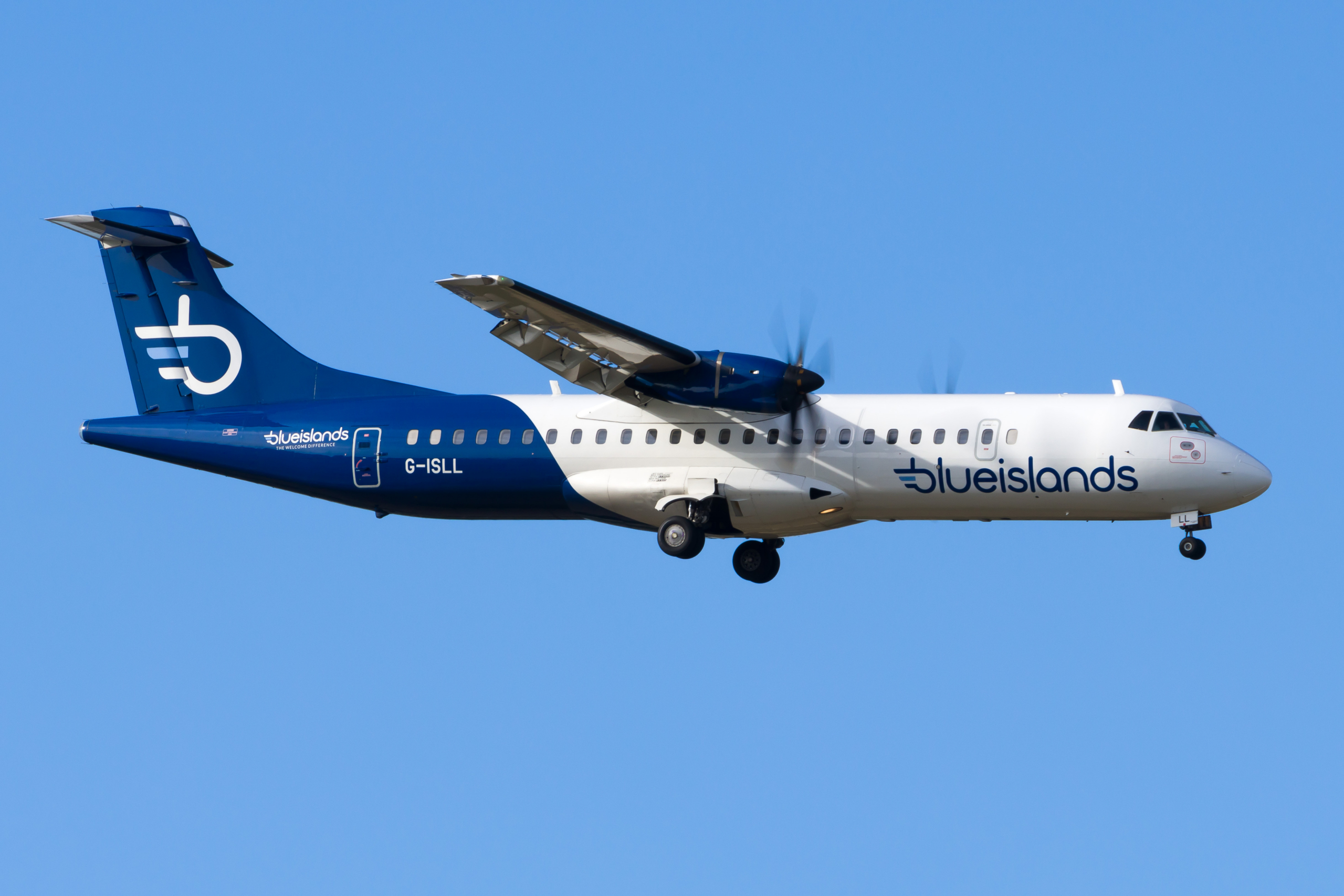
The collapse of UK regional carrier Blue Islands in November 2025 left more than just cancelled flights and hundreds of stranded passengers in its wake. It also left the Jersey government facing a multimillion-pound bill, with the airline owing taxpayers £9.1m when it suspended trading and entered liquidation.
However, the latest figures published by the Jersey Government show that it has managed to recover a substantial amount of this total, although millions of pounds remain outstanding.
As reported by the BBC, as of 30 June, the balance owed on the loans stood at £7,382,822. That represents a reduction of almost £1.8m (or 19.8%) from the original £9.1m debt, following the receipt of £1,773,706 from the liquidator for Blue Islands.
The scale of both the original debt as well as the outstanding amount highlights the significant financial exposure the government had taken on in supporting the airline before its eventual collapse. Blue Islands had received loans from the government, but when the airline ceased trading, those funds became a major outstanding liability for the public purse.
Despite the recovery, the figures demonstrate that the vast majority of the money owed had not yet been returned. More than £7.3m remains outstanding, leaving Jersey taxpayers exposed to the possibility of a significant loss.
Efforts continue to reduce the overall loss
The government has said efforts to recover the remaining funds are continuing. In a Finance Law Delegation Report, Jersey’s minister for treasury and resources said work was ongoing to recover further money from the defaulted loan holder.
The issue has previously come under political scrutiny, particularly because the loans represented public money provided to a commercial airline that ultimately failed. Elaine Millar, the former minister for treasury and resources, had faced questions over the financial support given to Blue Islands and whether taxpayers would be able to recover their money.
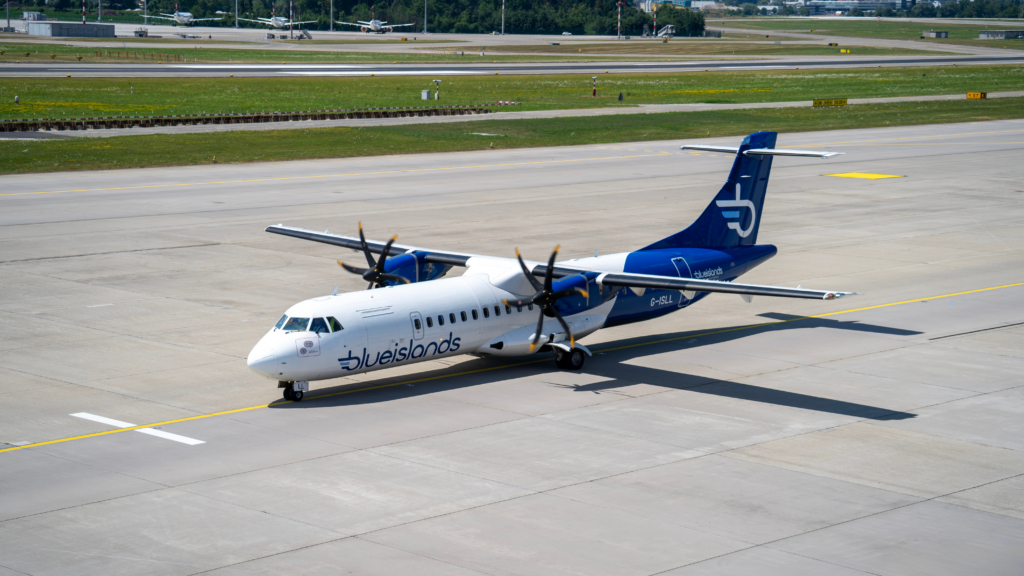
At the time, Millar said she believed the government would be able to recover some of the funds it had loaned to the airline. However, the subsequent liquidation underlined the uncertainty surrounding the government’s investment and the difficulties involved in recovering money from a failed company.
Jersey’s Council of Ministers also considered whether further financial assistance could be provided to Blue Islands as its financial difficulties became apparent. Ultimately, it agreed that the government should not pursue options that would have required additional financial support for the airline.
The government is still pursuing further recovery, meaning the final cost to taxpayers has yet to be determined. Until the liquidation process is complete and more money is recovered, the true scale of the loss to Jersey’s finances will remain uncertain.
What is clear, however, is that Blue Islands’ failure was not simply about a small regional airline going out of business. Its failure has left behind a debt of millions of pounds – a significant public financial burden that Jersey is still working to recover.
Sign up for our newsletter and get our latest content in your inbox.
Similar Reads




Sign up for our newsletter. Select all sectors relevant to you.
Related