British public positive about aviation despite environmental concerns

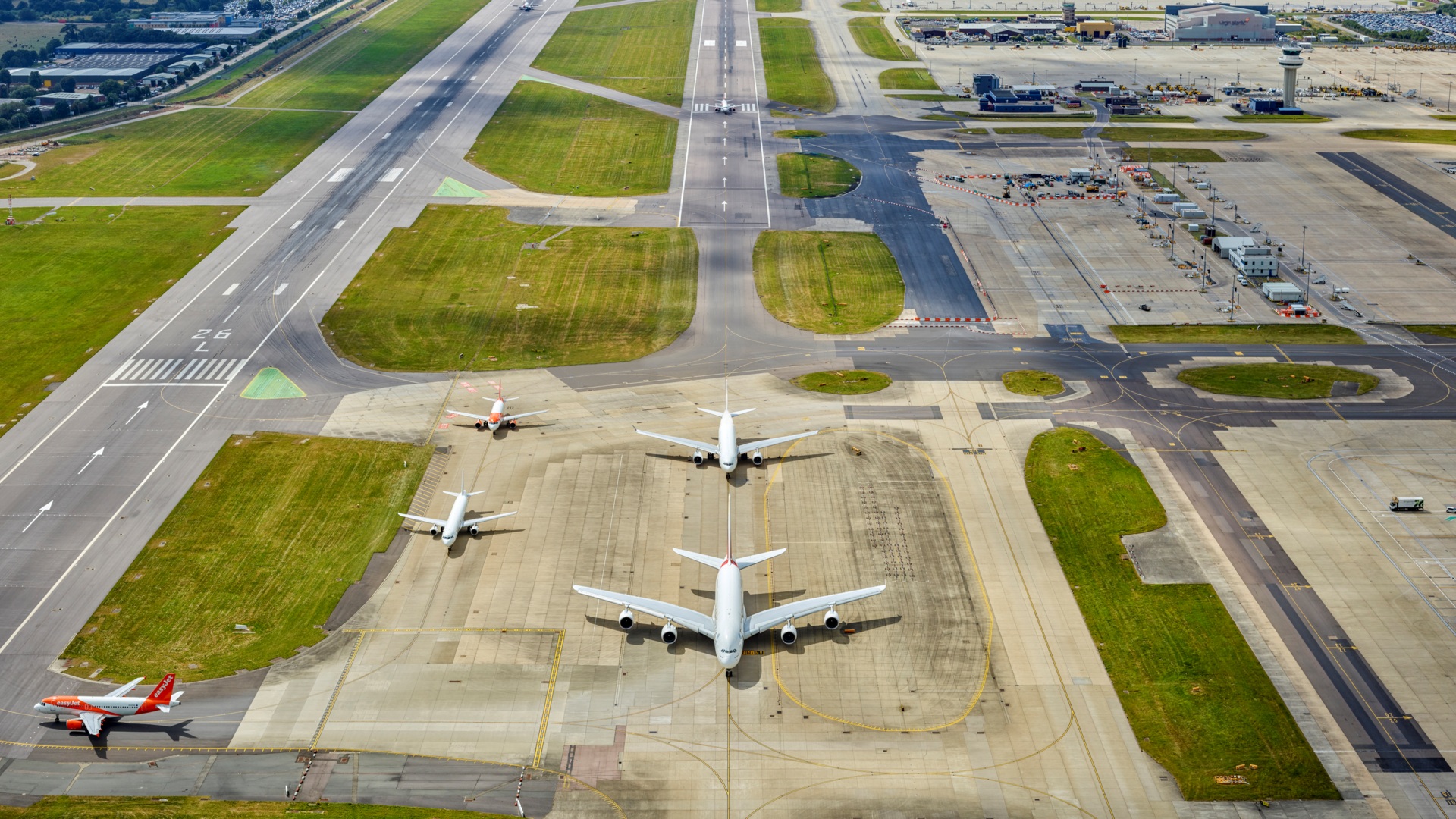
Image Copyright Shutterstock
The annual tracking survey shows that two thirds of adults (67%) say that the pros of aviation outweigh the cons, although this is down five percentage points compared to last year. The decrease may be linked to people’s increasing concerns about air and noise pollution and reflects the public’s growing environmental consciousness.
Despite increasing environmental concerns, the British public do not want to be penalised for flying, whether that’s taking fewer flights per year (only 34% agree that people should be discouraged from flying) or paying an environmental levy, with only 37% willing to pay a charge. However, they do expect the aviation industry to act and 93% see the most beneficial output of airspace modernisation being more efficient routes that save fuel and reduce environmental impact.

Modernising the design, technology and operations of UK airspace will help to deliver some of the environmental benefits that the public want to see and deliver quicker, cleaner and quieter flights – ending arrival holding and stacking as it exists today, enabling improvements for continuous climbs and descents, reducing noise for communities on the ground and burning less fuel, which will all ultimately enable carbon emission savings.
A programme of continuous, smaller improvements to airspace, implemented on a regular basis through NATS’ two air traffic control centres at Swanwick and Prestwick, has already resulted in some environmental wins, with 21 minor airspace improvements made in 2016/2017 saving over 55,000 tonnes of CO2 emissions. Modernising airspace on a larger scale, as is planned for the next few years, should build on this further.
Jane Johnston, Head of Corporate & Community Affairs, said: “It is encouraging to see the positive views about aviation, but the figures also tell us that we clearly need to communicate our plans to modernise airspace and increase our engagement with the public on the changes that are coming so that they can get involved in the process.
“The environment is a priority as we look at redesigning our skies over the next few years. However, the results also show that the British public hold different priorities for the environment, with differing views over the importance given to reducing carbon emissions, shrinking noise profiles and routing flights over Areas of Outstanding National Beauty (AONBs). This demonstrates some of the challenges we have as we modernise flight paths and routes, but it is a challenge we need to deal with urgently if we want to secure a sustainable future for aviation.”
The survey was conducted between 10th and 16th September 2019 amongst a nationally representative sample of 2,009 British adults.