CAA gives guidance on EC261/2004 in context of COVID-19 outbreak

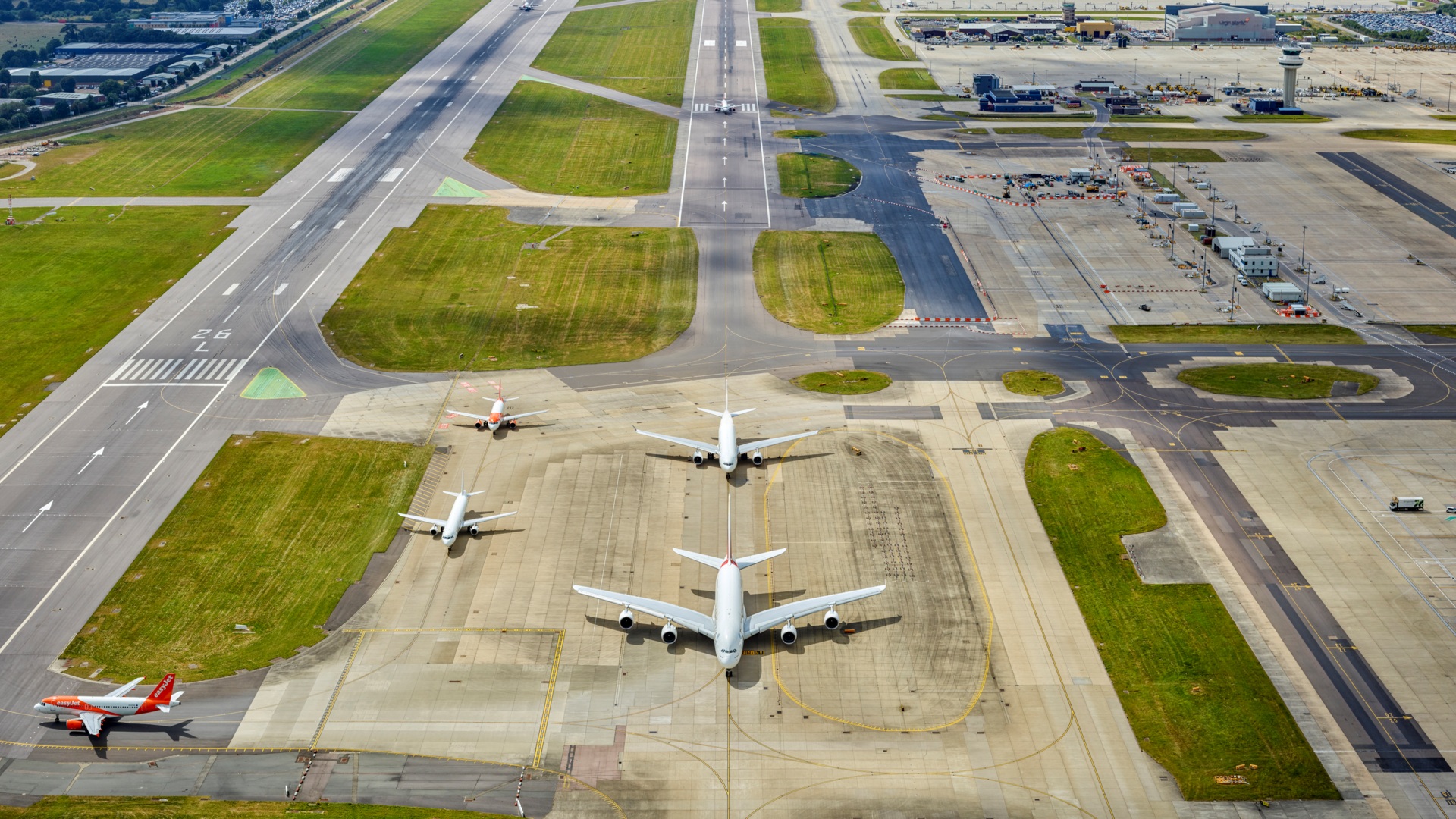
Above:
CAA Gatwick.
Copyright CAA
Airlines operating in the UK need to comply with a range of consumer law, some of which applies specifically to aviation and some which applies generally to all businesses. This includes legislation relating to price transparency, passenger rights during flight disruption, access to air travel for passengers with reduced mobility, unfair contract terms and requirements to trade fairly.

Accordingly, the CAA has published the following information on legal requirements and the CAA’s enforcement powers.
Guidance on the application of Regulation EC261/2004 in the context of the developing situation with COVID-19
We recognise that this is a very challenging time for airlines and passengers. We believe it would be helpful for us, as the UK’s National Enforcement Body, to clarify how we are currently interpreting certain aspects of European Regulation EC261/2004 that apply to compensation rights that passengers have during disruption caused by the Covid-19 outbreak.
Regulation EC261/2004 provides important rights to passengers applicable at all times, including during the current unprecedented situation. Where flights are cancelled or there are long delays, airlines are required to assist passengers by providing information on their rights and providing care and assistance during the disruption such as providing meals, allowing for passengers to communicate messages, and providing hotel accommodation (and transfers to and from the hotel) for overnight delays.
Where flights are cancelled passengers must be offered the choice of:
- a refund; or
- re-routing (alternative flights) at the earliest opportunity; or
- re-routing at a later date (subject to availability).
It is important that airlines assist passengers by clearly setting out these options to them. In addition, it is open to airlines to offer incentives to passengers to encourage them to fly at a later date, for example through providing vouchers. We recognise that in the current operating environment there may be significant practical difficulties in airlines providing alternative flights, for example, where government advice is to avoid travel to particular destinations. A refund for the passenger may therefore be the only practical option available.
Regulation EC261/2004 also provides for fixed sum compensation in some circumstances. However, this does not apply for cancellations made more than 14 days in advance or where the cancellation is due to ‘extraordinary circumstances’.
Given the unprecedented situation we are experiencing in aviation due to Covid-19, and although each case would need to be considered on its own merits and the relevant facts, we consider that the following circumstances would be viewed as ‘extraordinary circumstances’ and therefore the fixed sum compensation would, in our view, not be payable:
- Where the Government advises against all travel, or all but essential travel, to a destination.
- For cancellations or long delays impacted by Covid-19 in other circumstances that are not inherent in the operation of the airline and beyond its control. Such circumstances could include those where there is no Government advice against travel, but where disruption has been directly caused by activities of regulatory authorities or other third parties related to Covid-19, for example closing airspace to the airline, seriously restricting the airline’s operations in other ways, or by placing significant requirements on the airline’s passengers which causes disruption to flights.
There may be other circumstances where airlines seek to cancel flights within the 14 day period due to the economic and environmental consequences of operating flights with only a small number of passengers on-board. Such circumstances may be viewed as ‘extraordinary circumstances’ under Regulation EC261/2004 and therefore the fixed sum compensation would not be payable, but this may not be the case in all circumstances.
The CAA takes a proportionate approach to enforcement and focuses its resources on systematic issues of non-compliance that substantially harm the interests of passengers. In assessing compliance, we are cognisant of the challenging operating conditions that airlines are currently facing and we expect airlines to act in a way which best serves the interests of their customers. On this basis, we will look to airlines to demonstrate that they are being proactive and flexible in managing the situation and minimising the impact on passengers of the disruption.
Please note that the aforementioned interpretation by the CAA of ‘extraordinary circumstances’ is illustrative and for guidance only, rather than determinative of its view in any specific case that may arise.
Each case will be context and fact specific. It should also be recognised that should a passenger or group of passengers disagree with the CAA’s interpretation in a specific case, it is open to them to seek to enforce their rights through the courts.
The CAA reserves the right to withdraw, update or amend this statement in light of developments, including guidance from the European Commission or the UK Government and taking into account the practical impact on both airlines and passengers.
Commenting on the publication of new Civil Aviation Authority (CAA) guidance on the interpretation of EU law that applies to compensation rights for passengers during disruption caused by the Covid-19 outbreak, Tim Alderslade, Chief Executive of Airlines UK, the industry body representing UK-registered airlines, said: “UK airlines will always comply with all legal requirements on passenger rights and consumer protection and have an excellent record of looking after their customers when things go wrong.
"The coronavirus is having an unprecedented impact on the airline sector and on operations and balance sheets, and carriers are having – through no fault of their own – to cancel flights either because the Government has advised against travel or regulators in other jurisdictions have issued advice or legal direction that is causing disruption.
“We therefore welcome this guidance from the CAA on the types of scenario that may constitute an extraordinary circumstance and now urge regulators in other countries to follow suit and for the European Commission to review passenger rights legislation across the whole of the European Union – in the same way they are doing on slots – so that passengers that are entitled to compensation continue to receive it but airlines are not unfairly penalised to the tune of millions of pounds for flight disruption that is not of their doing.”