DASA seeks facial recognition tech
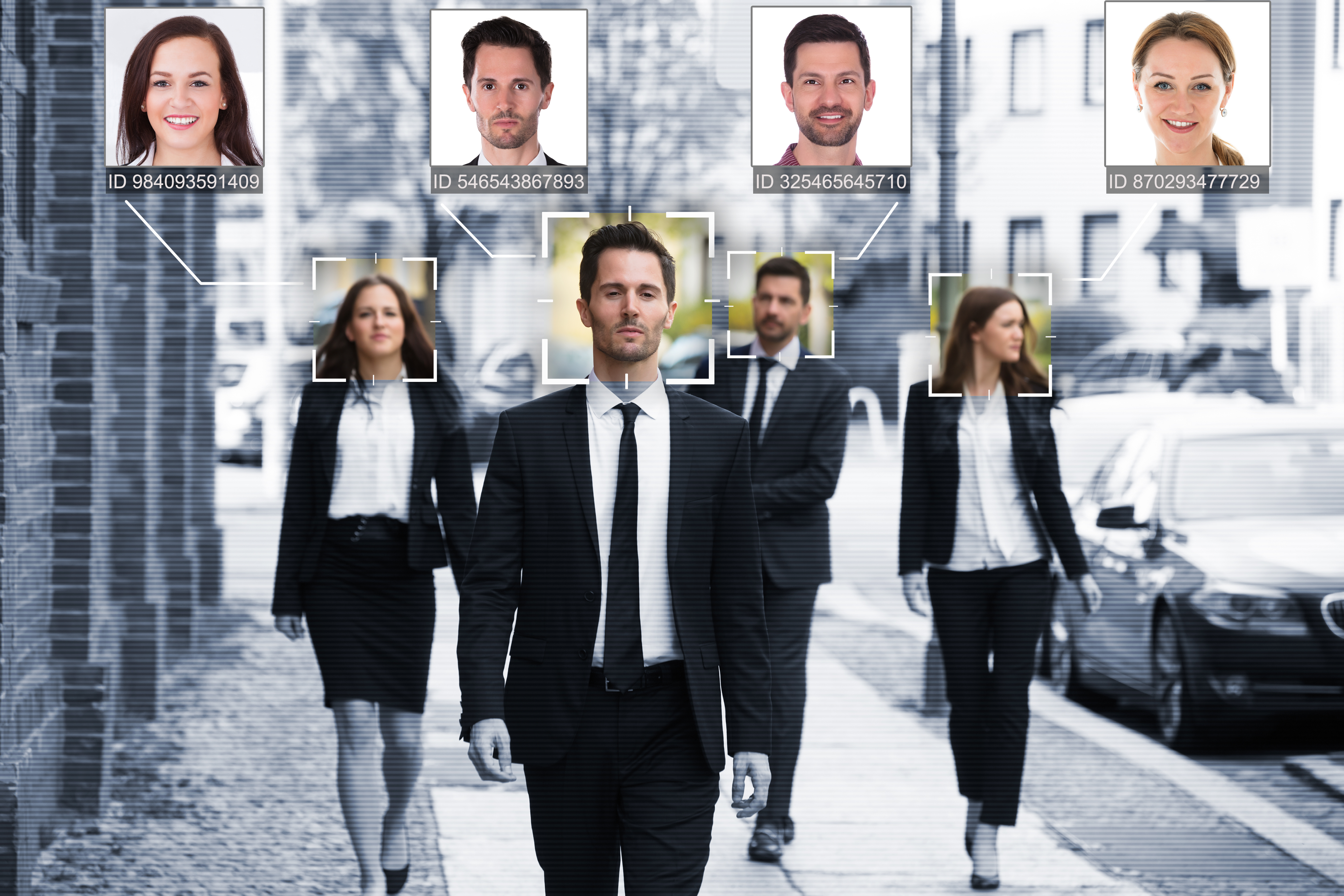
Image copyright Shutterstock
Run on behalf of the Home Office, this Market Exploration is seeking to identify higher Technology Readiness Level (TRL) capabilities that could be deployed to benefit the Home Office and Policing and within the next 18 months.
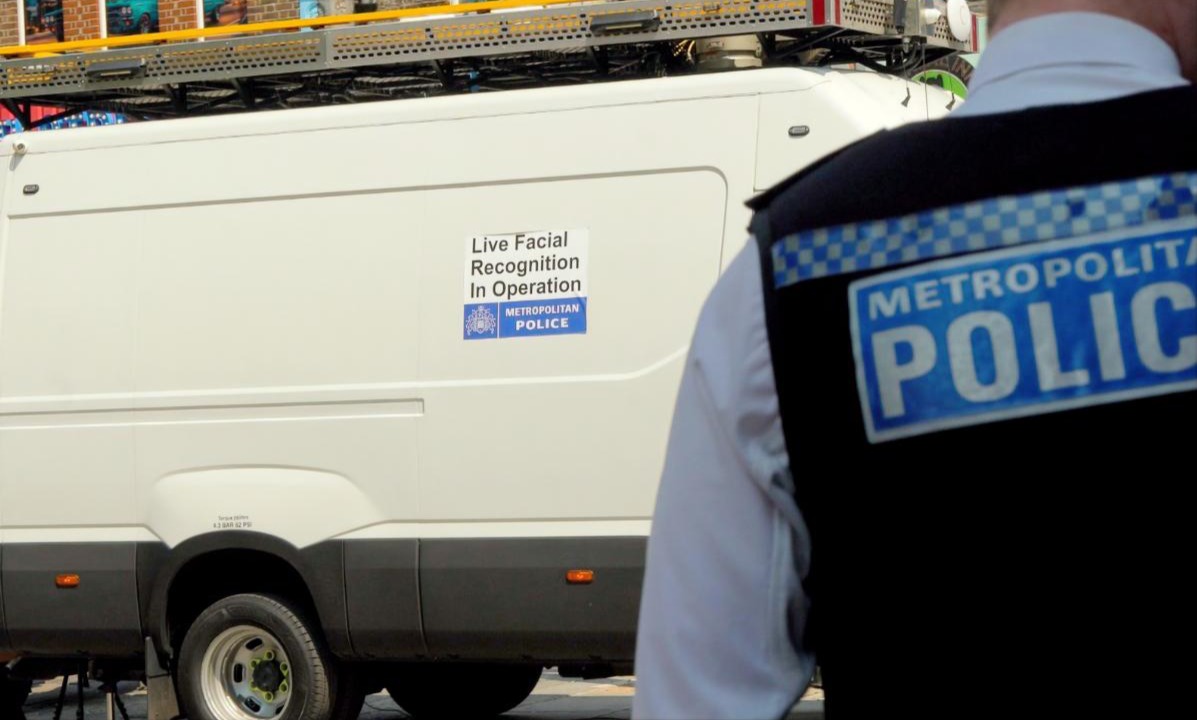
FR technology is an increasingly important capability for law enforcement and is already being used in a number of ways within UK policing and security settings to prevent and detect crime, enhance security, find wanted criminals, safeguard the vulnerable and protect people from harm. The use of FR technologies is at varying stages across UK policing and the use of this technology in an ethical and effective way is a priority for the Home Office.

The Minister of State for Crime, Policing and Fire and Professor Paul Taylor, National Policing Chief Scientific Adviser have jointly supported progressing the use of this technology.
Professor Paul Taylor, National Policing Chief Scientific Adviser said: “The Minister of State for Crime, Policing and Fire and I, strongly support the development and implementation of facial recognition (FR) technology within the law enforcement sector and are encouraged by its potential. We firmly believe that embracing this advanced technology can significantly enhance public safety while respecting individual rights and privacy. Industry is pivotal to realisation of that mission.
“It is essential to acknowledge the concerns surrounding FR technology, particularly those relating to privacy and potential biases. However, responsible development and implementation of FR systems can address these concerns effectively. By establishing robust governance frameworks, implementing strict data protection protocols and ensuring transparency and accountability, we can strike the right balance between public safety and individual privacy rights.
“To maximise the technological benefits and minimise the risks associated with FR, it is crucial that we support and encourage industry to continue developing capabilities which can be deployed effectively and ethically.”
The Home Office is primarily interested in higher TRL innovative capabilities that can resolve identity using facial features and landmarks as well as technologies that support algorithm development, integration, and analytics. It is vital that proposed solutions are secure, accurate, explainable and free from bias.
The Home Office is seeking capability to support the following FR applications or use cases (although other use cases would be considered):
- Retrospective FR (RFR), a system to be used after an event to help establish who a person is or whether their image matches against other media held on image databases.
- Operator-initiated FR (OIFR), a system where an operator can decide that they need to take an image of a person and then use FR software to help them establish who that person is.
- Live FR (LFR), a system where cameras are focused on a specific area: when people pass through that area their images are streamed directly to the Live FR system.
This Market Exploration is not seeking technologies beyond the resolution of identity through facial recognition camera systems, such as iris detection, gait analysis and object detection.
To read the full Market Exploration document and submit a proposal:
www.gov.uk/government/publications/facial-recognition