Defence Secretary backs Britain's nuclear deterrent
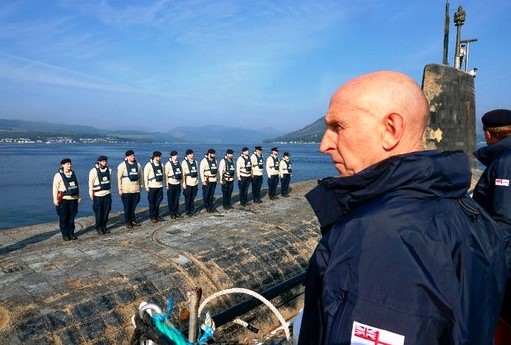
Image courtesy MoD
In his first visit to Scotland since being appointed, Defence Secretary boarded the Vanguard-Class submarine for the final leg of its return journey to HM Naval Base Clyde after completing the UK’s latest patrol.
The mission, known as Operation Relentless, or the Continuous At Sea Deterrent (CASD), ensures that at least one nuclear-powered and armed ballistic missile submarine is at sea at all times to deter potential adversaries and protect the nation and NATO allies. The next vessel in the deterrent cycle is already at sea and patrolling.

During his visit to the 15,000-tonne vessel, the Defence Secretary thanked the crew of 140 Royal Navy submariners for their dedicated service and wished them well as they prepared to reunite with their families. He was also given an operational briefing and toured the submarine, which is armed with the UK’s Trident nuclear missiles.
John Healey also used the visit to reinforce the new Government’s commitment to its ‘triple-lock’ on the deterrent, which includes: building four new nuclear submarines in Barrow-in-Furness, in Cumbria; maintaining our continuous at sea nuclear deterrent; and delivering all future upgrades needed.
The government’s commitment to security is clear, with a Strategic Defence Review already underway that will determine the roles, capabilities and reforms required by UK Defence to meet the challenges, threats and opportunities of the twenty-first century.
Defence Secretary, John Healey said: "Royal Navy submariners make extraordinary sacrifices to keep us all safe and it was an honour to thank the crew on behalf of the British people. As they return home, we salute their courage, dedication and professionalism.
"Our new Government is unwavering in our commitment to our nuclear deterrent, maintained on behalf of the UK and our NATO allies. Our ‘triple-lock’ will safeguard Britain for generations to come.
"As the home of our nuclear submarines and major shipbuilding yards, Scotland is central to UK defence. I am determined to make defence a foundation for jobs, growth and prosperity across Scotland."
The Government committment to the nuclear deterrent triple lock:
- Building four new nuclear submarines in Barrow-in-Furness, supporting high-quality, high-status apprenticeships and jobs, with the supply chain benefits being felt right across the country.
- Britain maintaining its continuous at-sea deterrent, 24 hours a day, 365 days a year – securing protection for both the UK and NATO allies.
- The delivery of all future upgrades needed for those submarines to patrol the waters and keep our country safe.
Joining the Defence Secretary in thanking the returning submariners was First Sea Lord, Admiral Sir Ben Key, Director Submarines, Rear Admiral Andy Perks, Commodore of the Submarine Flotilla, Commodore Paul Dunn and Naval Base Commander Clyde, Commodore Sharon Malkin.
The name of the vessel, length of patrol and its location at sea are all closely guarded secrets. On board, only a select few are authorised to know where in the ocean depths they are operating, with the rest of the crew dutifully carrying out their roles unaware of their location.
It is this secrecy that makes the nuclear deterrent so effective. A potential enemy can never predict where a Vanguard Class is operating, making the cost of attacking the UK or NATO allies far outweigh the benefits.
Thousands of Royal Navy submariners and their families, MoD civilians and industry partners continue to contribute to maintaining the nuclear deterrent.
For every minute of every day for more than 55-years a deterrent submarine has been on patrol, keeping the nation secure by deterring the most extreme threats to national security and the UK’s way of life – threats that cannot be deterred by other means.
A new class of ballistic submarine – the Dreadnought Class – is currently under construction at Barrow-in-Furness and is expected to replace the Vanguard submarines by the 2030s, securing the future of the UK’s nuclear deterrent. More than 40,000 UK jobs are supported through defence nuclear work, making it a key area that boosts economic growth.
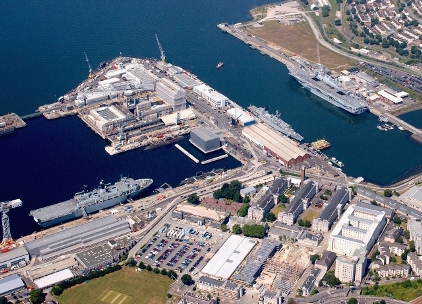
The UK Government is investing millions of pounds at HM Naval Base Clyde to prepare for the Dreadnought submarines, while at the same time, ensuring that the Vanguard Class can continue the mission until handing over to the next generation of vessels.