Dstl leads on NATO emerging disruptive tech competition
Image courtesy Dstl
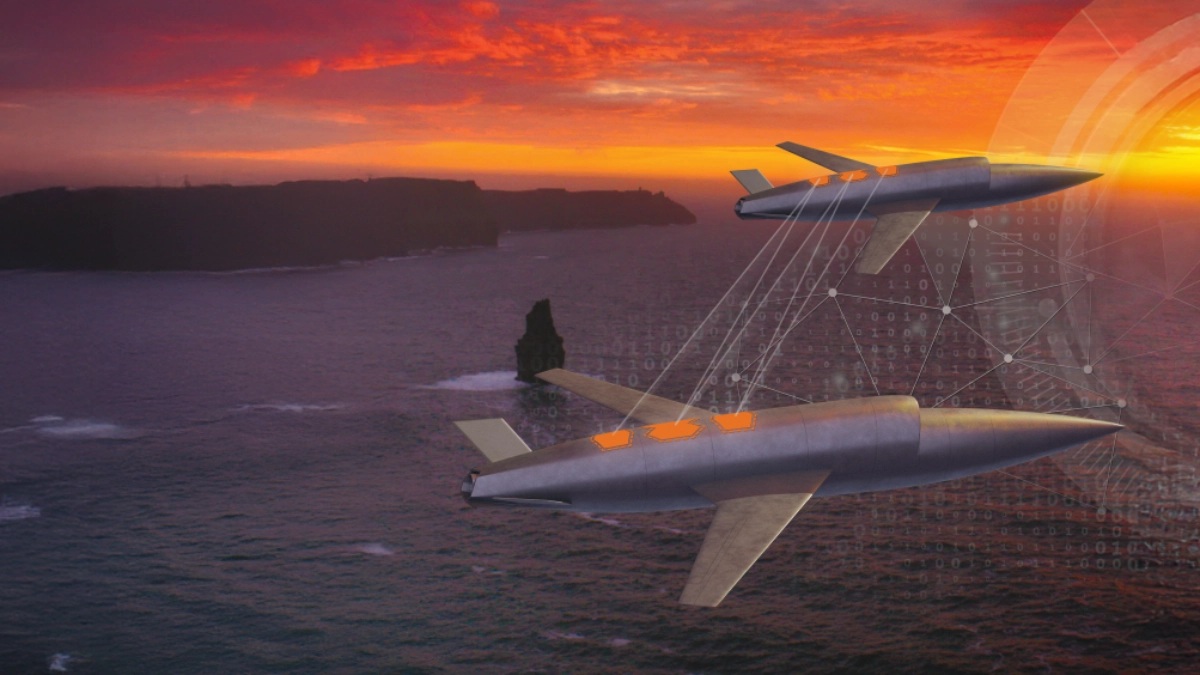
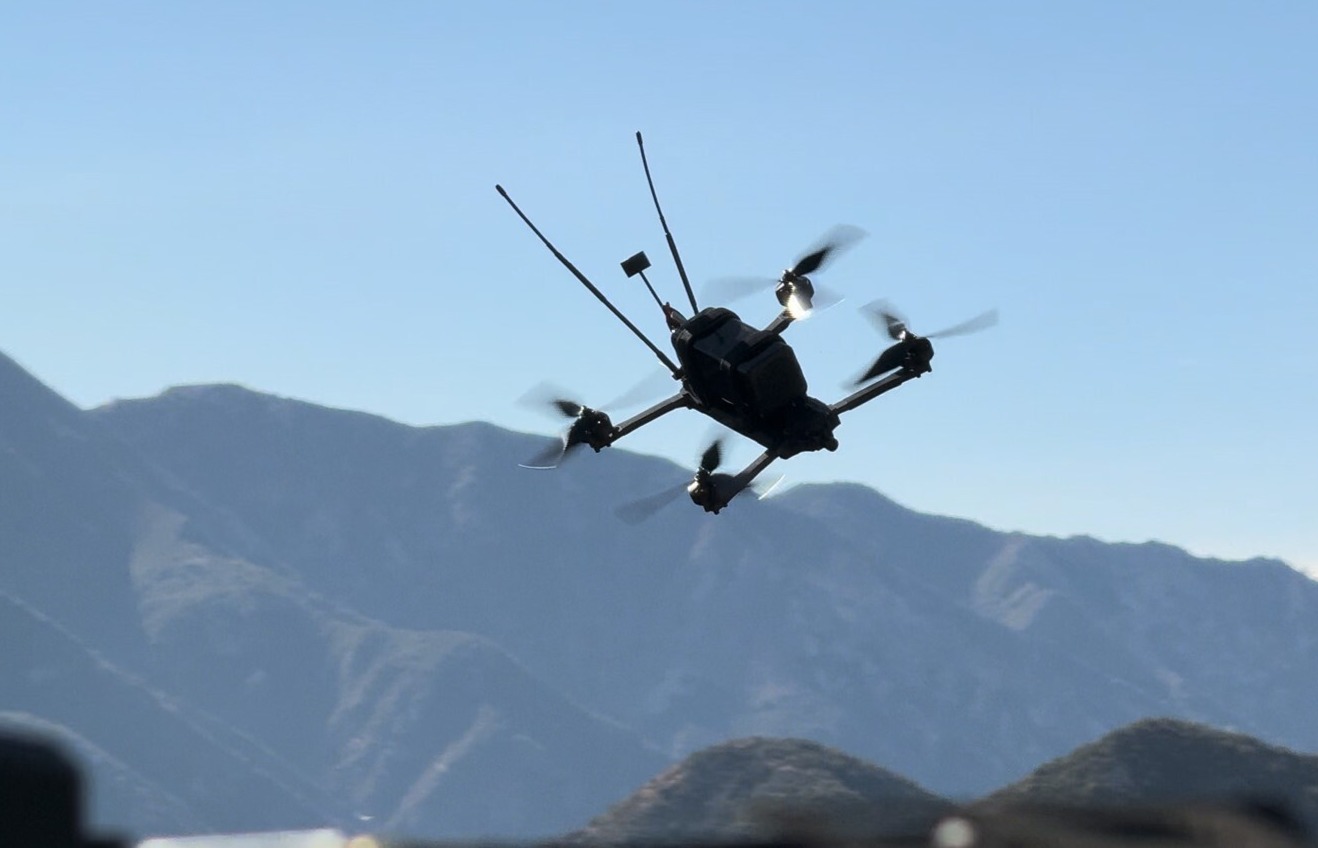
The goal is to gather ideas from young people across NATO countries about how emerging and disruptive technologies might affect the future.
What the competition is asking for
To gather these future ideas, the requirement is to write an original think piece, which answers the question: ‘What do you think are the opportunities and risks of emerging and disruptive technologies?’
Eligibility
The competition (reference SAS-AVT-SET-HFM-205) is open to citizens of NATO member countries, as well as Australia, Japan, South Korea, Switzerland and Ukraine. You must also be aged between 18 and 34.
Background information on emerging and disruptive technologies
Emerging and disruptive technologies are just starting to develop and could have a big impact in the future. They might change markets and industries so much that current practices, tools, or even companies become outdated.
Key characteristics of emerging and disruptive technologies include:
- rapid development
- societal impact
- transformation of existing paradigms
Historical example of emerging and disruptive technologies: The Ford Model T
The first affordable car made motoring publicly accessible. This new innovation transformed the transportation market, but became disruptive, making horse-drawn vehicles old-fashioned and drove significant societal change on a large scale.
How to present your think piece
You can choose to write about opportunities or risks, or both.
There is no right or wrong format for your think piece but any of the following are suggested:
- essays
- news articles
- advocacy briefs
- bullet point lists
- brainstorms
Themes to think about
You could include any of the following themes:
- legal, ethical, technical, moral or policy implications of these technologies
- societal reactions to advancements in technology or changes in policy
- potential benefits for society
- potential harm for society
- implications on industry
- potential misuse of these technologies
- impact on individual privacy
- strategic advantage and competition arising from these technologies
- prosperity and economic strength arising from these technologies
Word count
There is a 1,000 word limit (10% allowance, not including references or abstract).
Including a short abstract to explain your think piece is also recommended.
Marking criteria
Use of AI is not allowed. If it is detected, your entry will be dismissed.
Think pieces will be marked based on the following factors:
- how original your ideas are
- whether you include real-world examples or case studies (including your own experiences)
- how credible and relevant your ideas are
- how convincing your arguments are
- the level of academic quality and accuracy
How to enter
Email your think pieces to: ThinkPieceCompetition@dstl.gov.uk by Friday 6th February 2026. Winners will be announced in May 2026.
If your submission makes the top 10, you will need to submit a picture of your ID.
Next steps
Writers of the three best think pieces will be invited to present their entry at a future NATO event. The overall winner will be determined by a panel at this event.
Writers of the top 10 think pieces will receive certificates of commendation that can be included as part of a curriculum vitae.
The top 10 think pieces may be published in the NATO Journal for Science and Technology.