EasyJet applies innovative tech to improve efficiency
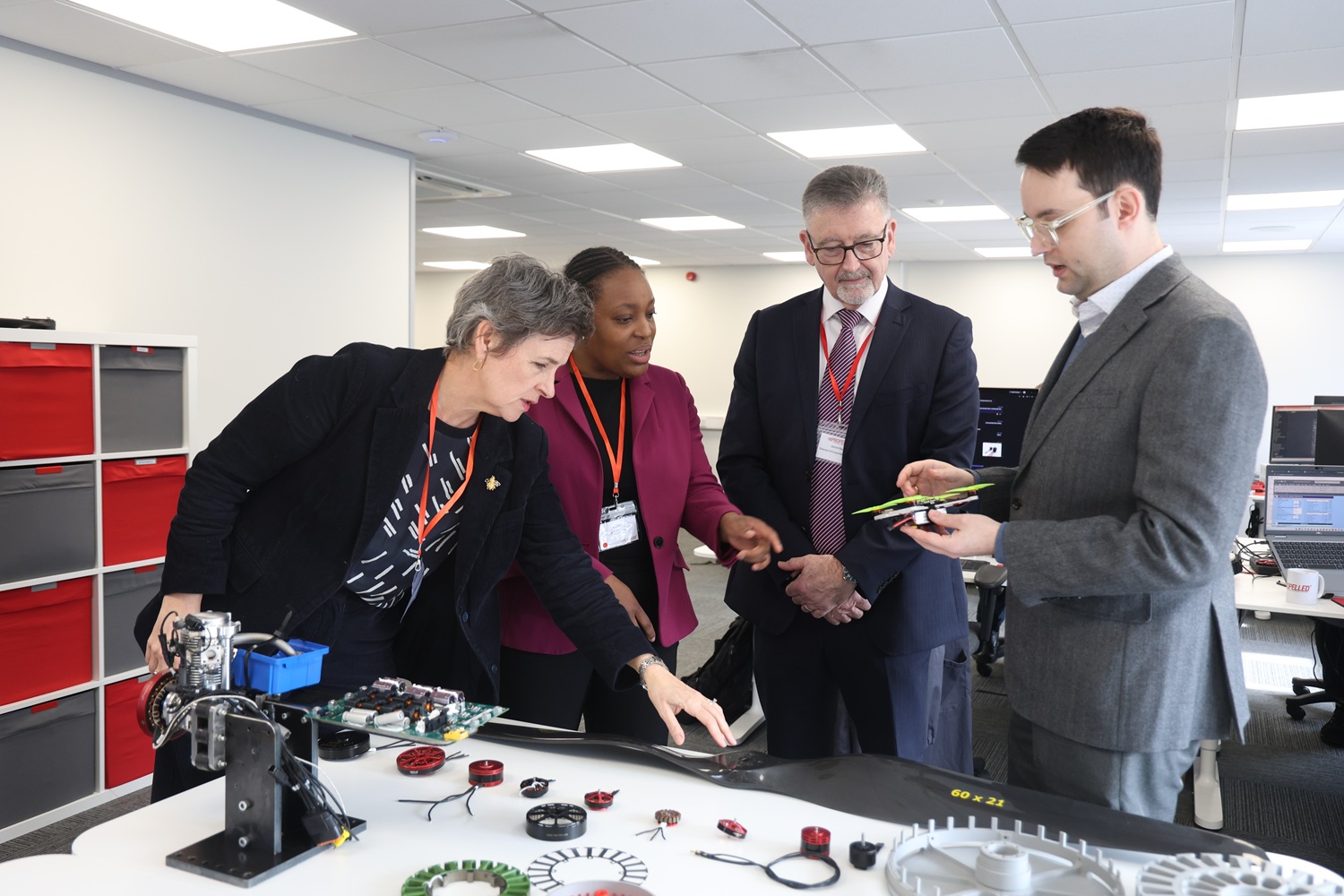
 Commenting on these advances, chief executive of easyJet, Carolyn McCall (right), said: "We have examined and assessed cutting edge technology across many different industries and are now applying a range of new technologies to the aviation sector for the first time to help us run our fleet of aircraft more effectively, efficiently and safely.”

"The advantage of these emerging technologies is threefold - freeing up our engineering team to undertake more skilled tasks, keeping our costs down which in turn keeps our fares low and helping to minimise delays so maintaining our industry leading punctuality for our passengers.
“Safety is our number one priority and so all of these new technologies will be applied by our experienced engineering and flight crew to ensure our leading safety record is maintained.”
Drone and robotic tech
The airline is working with Coptercraft, Measurement Solutions and Bristol Robotics Laboratory to modify existing technology so that drones can be employed to inspect its fleet of Airbus aircraft. The drones will be programmed to scan and assess the planes reporting back to engineers on any damage which may require further inspection or maintenance work. The drones are currently in development with a view to trialling them in the coming months and introducing them into operation as early as next year.
Ian Davies, Head of Engineering for easyJet, commented: “Drone technology could be used extremely effectively to help us perform aircraft checks. Checks that would usually take more than a day could be performed in a couple of hours and potentially with greater accuracy.”
Dr Arthur Richards, Head of Aerial Robotics at the Bristol Robotics Laboratory, a partnership between the University of Bristol and the University of West England, commented: “Aircraft inspection is a great application for drones. Coupled with smart navigation and computer vision, they can get accurate data from really awkward places.
“We look forward to working with easyJet to develop safe, effective and efficient drone systems for this challenge.”
3D tech
Alongside the drone technology, easyJet is looking at deploying 3D Virtual Reality and Augmented Reality technology by Epson and Vuzix which enables a remote engineering team to see exactly what a pilot or engineer is seeing using virtual reality glasses. The glasses use the world’s first high definition see through display system, providing augmented reality helping easyJet to remotely diagnose a technical issue.
This technology will be especially useful in some of the airline’s more remote airports across its network - the airline currently flies to 138 airports with some as far away as Sharm el Sheikh and Tel Aviv.
Currently engineers and pilots have to email pictures and call easyJet’s Operations Control Centre to try and resolve the issue over the phone. easyJet is also currently trialling similar video technology from Vidcie and XO Eye that allows live streaming between the engineer on the ramp and easyJet’s OCC.
OCC will also be able to provide live information to the engineers and pilots in real time, along with technical assistance through an integrated handsfree head set.
Ian Davies said: "3D augmented reality technology is key to easyJet reducing longer delays when an aircraft is down route. This will help us get greater clarity on any technical issues which occur hundreds of miles away. By wearing the augmented reality glasses, pilots or engineers down route can transmit live pictures and data to the easyJet Operations Control Centre at Luton giving them direct access to visual information making it easier for them to resolve any technical issue.”
Apps
EasyJet’s engineering department has also worked with Output42 to develop their own bespoke apps which will allow our engineers to perform certain day-to-day issues more efficiently and enable easyJet to return aircraft to service more quickly. For example, one app helps engineers identify and replace damaged fan blades (for example, after a bird strike) more quickly by scanning fan blades and automatically ordering a suitable replacement blade from the airline’s inventory.
The apps are in different stages of development and the airline expects to be trialling a range of them over the course of the summer.

Paperless planes
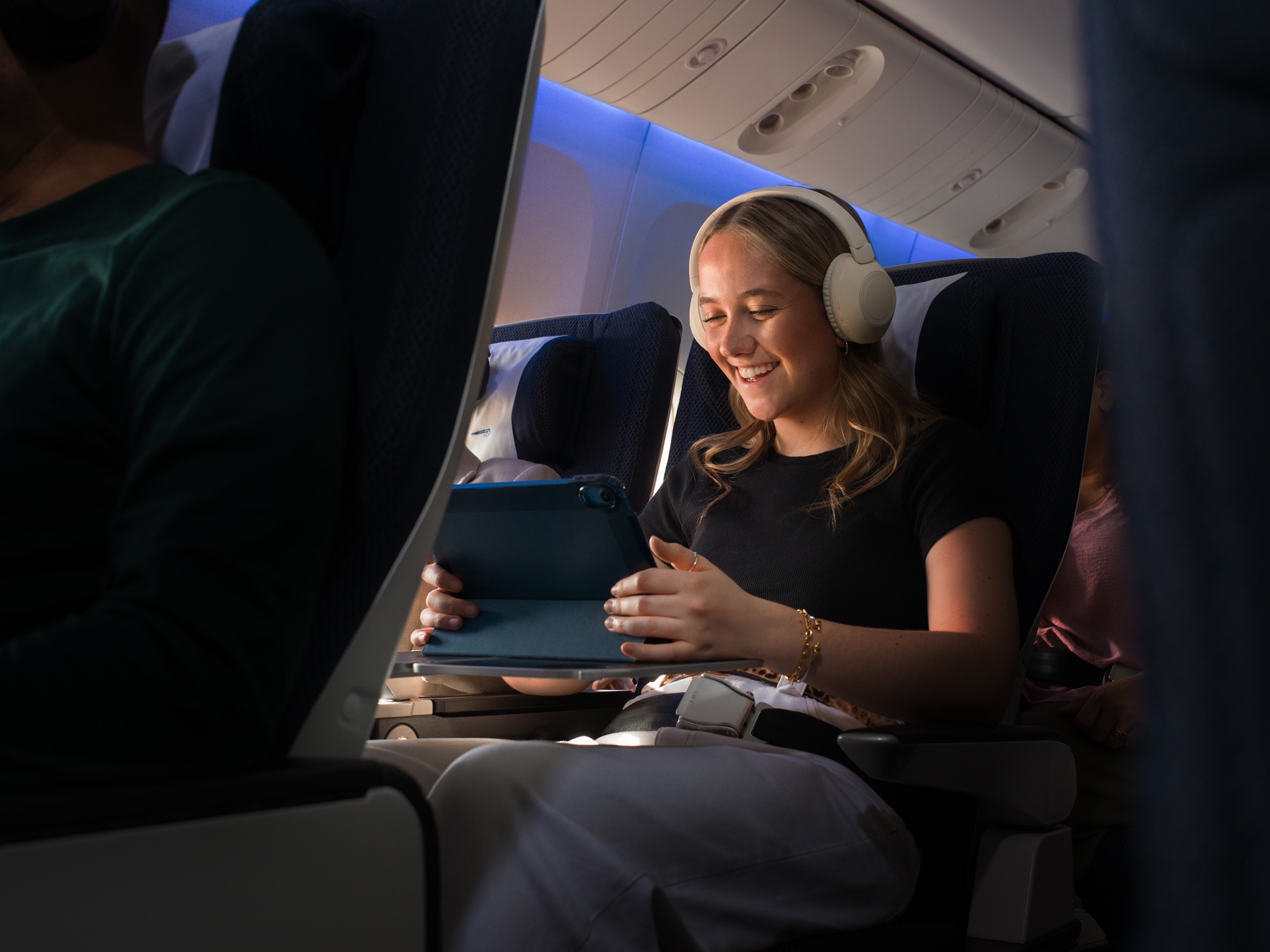
EasyJet will complete the fitting of Panasonic Toughpads, in place of laptops and printed navigational charts, in all of its cockpits by the end of this month. This means that the airline is already nearing a completely paperless plane. These tablets will also make easyJet one of the first airlines to use this type of device in all phases of flight and on the ground. By replacing heavy printed log books easyJet expects to reduce fuel costs by around $500,000 each year. Every kilo of weight taken off easyJet’s fleet of aircraft saves around $20,000 per year.

In addition, new ‘e-paper’ technology created by Sony, could see easyJet completely eradicate printed forms in the cabin; this would mean an entirely paperless plane. This new Digital Paper is the latest lightweight design from Sony which makes it feel like the user is writing on paper. Completed forms can be quickly saved into a central database enabling the airline's operational team quick and easy access to information on all of the aircraft. Trials will start in the coming months.
Captain Brian Tyrrell, Head of Flight Operations for easyJet said: "EasyJet will this month complete the first phase in its journey toward a paperless aircraft by fitting all of its existing fleet with Toughpads.
“Eradicating paper, including the cumbersome manuals with thousands of pages on-board, by providing access to the same information via these devices is an important step in reducing weight but it also means we can improve the speed and efficiency of our communications by remotely saving information and providing crew with up to date information.”
Inflight monitoring and prognosis
 The airline is also working with FlightWatching to install a state-of-the-art early fault prognosis tool which can provide the airline’s operations and engineering staff with live updates directly from all of its aircraft as they fly.
The system is an innovative web-based software system from FlightWatching called WILCO which can receive real time values of aircraft system parameters via the ACARS messaging system. This data is then transformed into an animated schematic that can be used to predict any potential issues or to troubleshoot known technical faults before the plane lands.
This means the prognostic tool will enable the ground-based engineers to start investigation mid-flight and ensure that the correct engineering resource or parts are available for when the flight lands, thus increasing efficiency.
EasyJet is currently trialling the software with live data from a small number of aircraft.
Ian Davies, Head of Engineering for easyJet, commented: "EasyJet is constantly looking towards new and emerging technologies to help us be better informed about potential issues as they occur. To be able to be notified of any developing issues while the plane is inflight will give us a head start so they can be resolved more quickly, resulting in fewer delays for passengers."
EasyJet's aircraft are already fitted with the ACARS system and the airline's engines are also constantly monitored inflight by a team of experts at the engine manufacturer in the US. Any issues are reported to the engineers at easyJet so that required maintenance work can be scheduled.
Jean-Philippe Beaujard, President of FlightWatching, commented: "FlightWatching has developed an innovative software technology to monitor aircraft systems during flight using standard ACARS network without any aircraft modification. Engineering staff use WILCO's intuitive interface to build their own prognostics, alerts and dashboards targeting cost reduction and maintenance excellence."