EasyJet expands at Birmingham Airport with two A320s
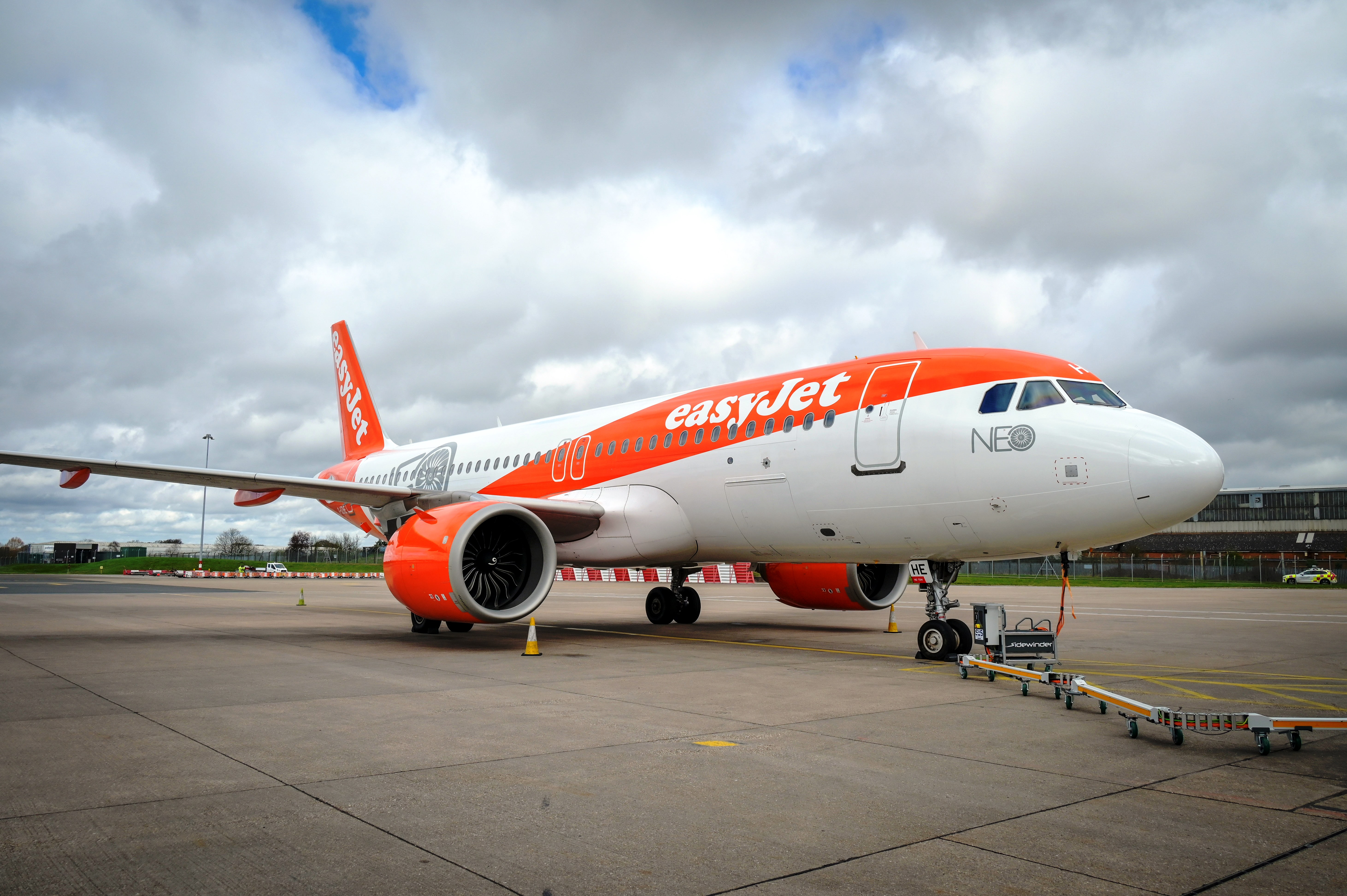
Image courtesy easyJet
This comes as the airline posts it 2024 financial year results, in which it delivered a 34% improvement in profit before tax of £610 million. This was driven by another consecutive record summer and a 56% improvement in easyJet holidays’ profits.
EasyJet operated its largest ever flying programme at Birmingham in its 2024 financial year and flew over 1.6 million customers to and from Birmingham, up 53% compared to last year.

The airline’s network in Birmingham has gone from strength to strength in the last year, having more than doubled the number of destinations on its network since opening a base at the airport in March 2024. The 23 new routes include services to Marrakech, Reykjavik, Hurghada, Prague, Krakow, Rovaniemi and Innsbruck, which took off for the first time this winter.
Now, the arrival of two additional Airbus A320 aircraft at Birmingham next summer will enable the airline to offer customers in the Midlands even more choice for flights and holidays across Europe, such as new routes to popular holiday island destinations like Gran Canaria and Malta. The new twice-weekly routes will take off from 2nd May 2025 to Gran Canaria and from 3rd June 2025 to Malta.
The expansion will also support the local economy, with each UK-based aircraft supports around 400 direct and indirect jobs and £27 million UK gross value added (GVA).
Ali Gayward, easyJet UK Country Manager, said: “Our continued success in Birmingham is a clear testament to the continued popularity of our flights and holidays, with customers choosing us for our trusted brand, unrivalled network and great value fares.
“The growth of our fleet with two additional aircraft will not only support around 800 jobs but is enabling us to further unlock the opportunity of the continuing demand that we see for both leisure and business travel in the Midlands.
“We’re already capturing this opportunity with the launch of new routes next summer, which will provide more customers with greater choice and connectivity, and we look forward to welcoming them on board.”
Tom Screen, Aviation Director of Birmingham Airport said: “EasyJet started its base from Birmingham Airport in March this year and since then its expansion of routes has been phenomenal. Offering city breaks, domestic short hops, sunshine holidays and even flights to see Santa in Lapland the airline caters for our customer’s holiday and business travel needs.
“The announcement of these two additional aircraft from Summer 2025 ensures that even more routes and frequencies will be added direct from Birmingham Airport offering customers convenient and competitive flights and holidays.”
EasyJet launched services from Birmingham for the first time in December 2007, with flights from Birmingham to Geneva.
The airline opened a base at Birmingham in March 2024, which will now be home to five Airbus A320 family aircraft, and operates up to 280 flights a week, offering 33 routes to 17 countries across Europe and North Africa. Since operations began, the airline has flown over six million customers to and from Birmingham.
Today, easyJet connects Birmingham to major cities across Europe like Paris, Barcelona and Amsterdam, to a range of beach destinations like Portugal, the Canary Islands, Turkey and Egypt, to popular ski resorts via Geneva and Innsbruc and to the rest of the UK with four domestic routes.