EasyJet takes delivery of 100th A320neo
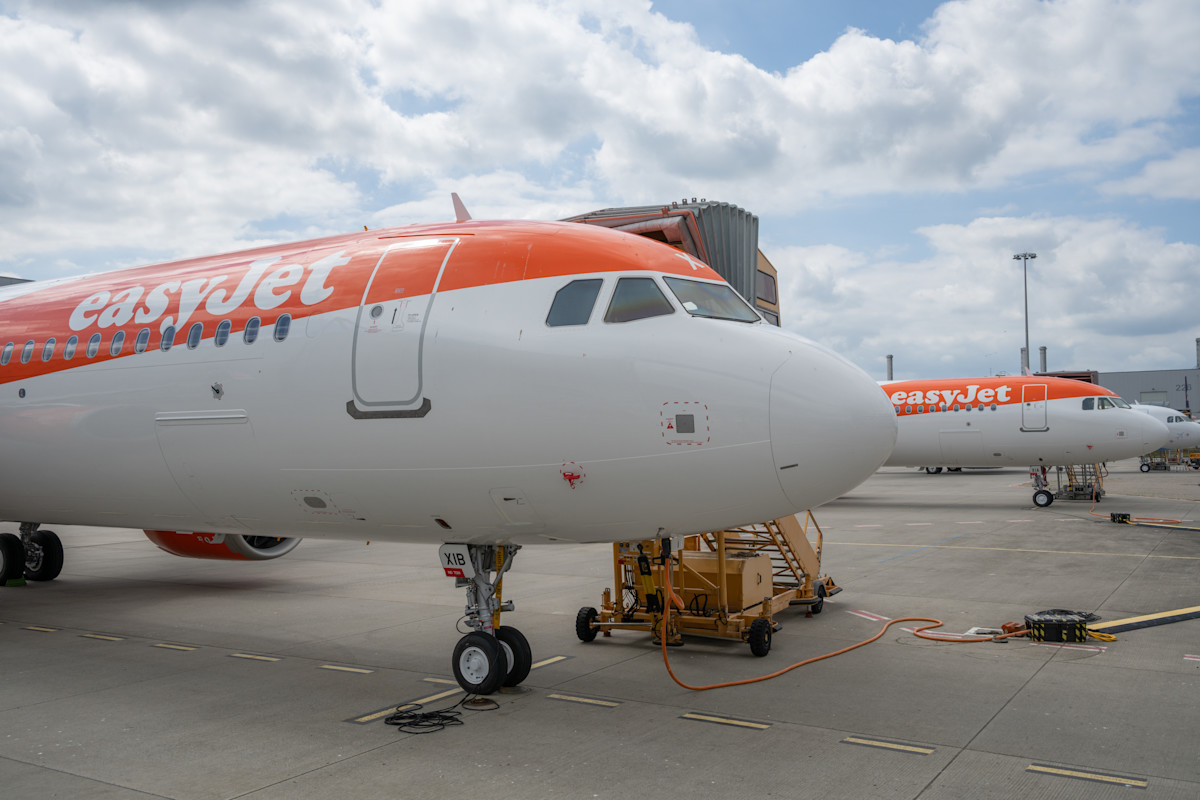
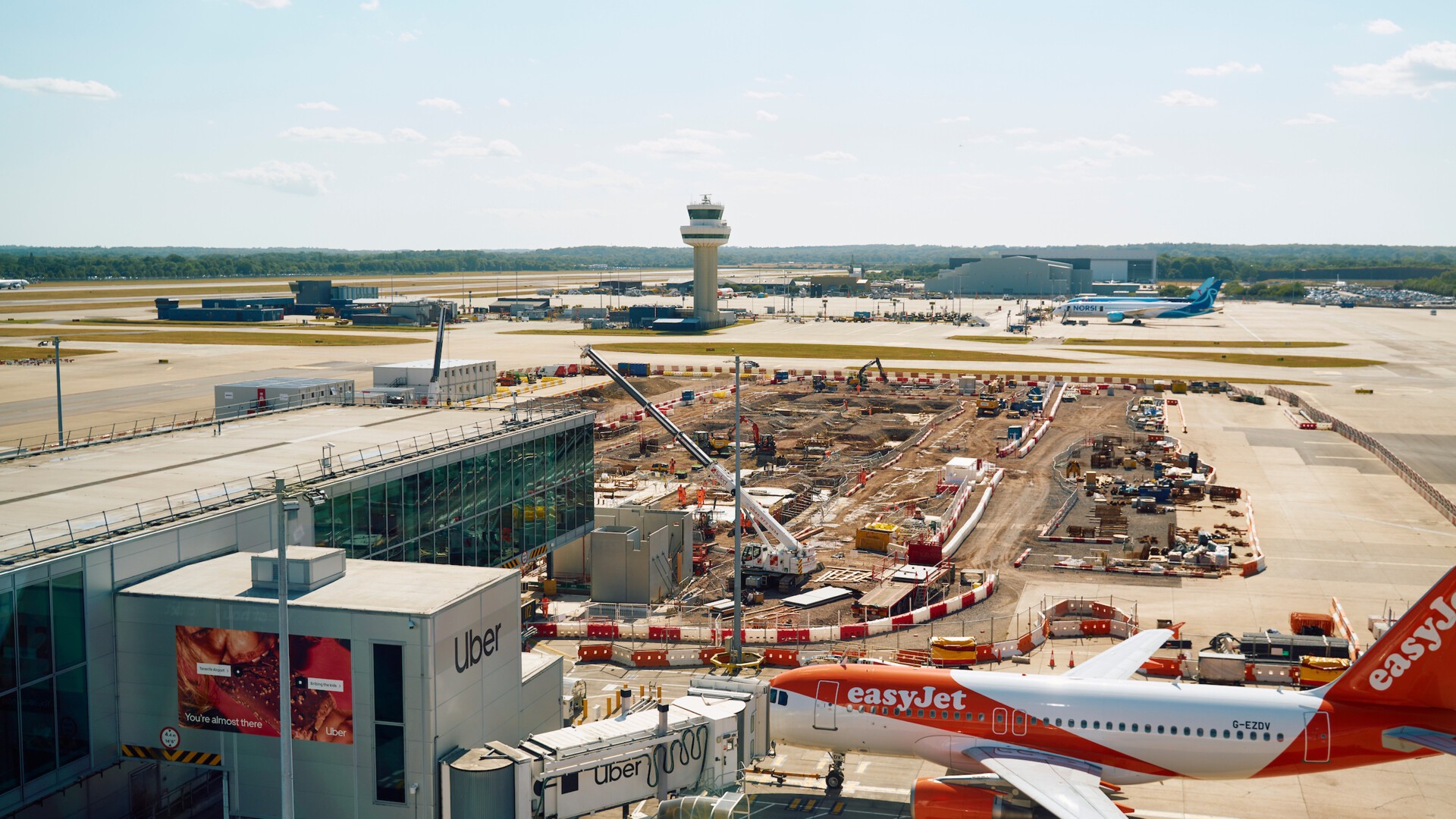
Image courtesy easyJet
The milestone aircraft joined easyJet’s all-Airbus fleet last week, which now totals 359 aircraft. The addition reflects the airline’s ongoing transition towards newer, more fuel-efficient technology as part of its broader decarbonisation strategy.
All of easyJet’s new neos aircraft will be equipped with Airbus' Airspace cabin. All future aircraft will feature new non-retractable LED Multi-Functional Runway Lights - removing previous nose landing gear lighting to reduce drag and weight, while improving optical and reliability performance.

In addition, the aircraft, which are powered by CFM LEAP-1A engines, are capable of operating with up to 50% Sustainable Aviation Fuel today, with a pathway to 100% by 2030. Skywise-enabled digital systems will also support more efficient, data-driven operations.
The A320neo Family delivers up to 20% lower fuel burn and CO₂ emissions per seat compared to previous-generation aircraft, as well as an estimated 50% reduction in noise footprint. These efficiency gains support both lower operating costs and reduced environmental impact.
Upgrading to the most fuel efficient aircraft available on the market continues to play a central role in easyJet’s efforts to reduce carbon emissions intensity in the near term, while also enhancing customer experience and operational performance.
David Morgan, Chief Operating Officer at easyJet, said: "The arrival of our 100th A320neo Family aircraft is a significant milestone for easyJet. These aircraft are at the heart of our strategy to operate a more efficient fleet and reduce our environmental impact, while continuing to enhance the travel experience for our customers and crews alike."
Johan Pelissier, President of Region Europe and Head of Commercial Europe for Commercial Aircraft at Airbus, said: "The delivery of the 100th A320neo reflects the shared DNA of innovation between Airbus and EasyJet. By integrating the world’s most efficient single-aisle aircraft at this scale, we are doing more than expanding a partnership. We are actively redefining the future of sustainable aviation. We are proud to provide the wings for easyJet’s growth and to stand together in our commitment to leading the decarbonisation of our skies."
Fleet renewal remains a critical component of easyJet's strategy in the near to medium term, with older aircraft progressively replaced by more efficient A320neo Family aircraft, supporting the airline’s target of a 35% reduction in carbon emissions intensity by 2035.
Maximising efficiencies to lower operational impact: The neo fleet expansion is part of a wide range of initiatives easyJet is deploying to maximise efficiencies and combine many marginal gains into broader emissions reduction.