Advancing UK Aerospace, Defence, Security & Space Solutions Worldwide
  • Home
  • /
  • Space
  • /
  • Element increases outgassing testing capability for space industry

Space

Element increases outgassing testing capability for space industry
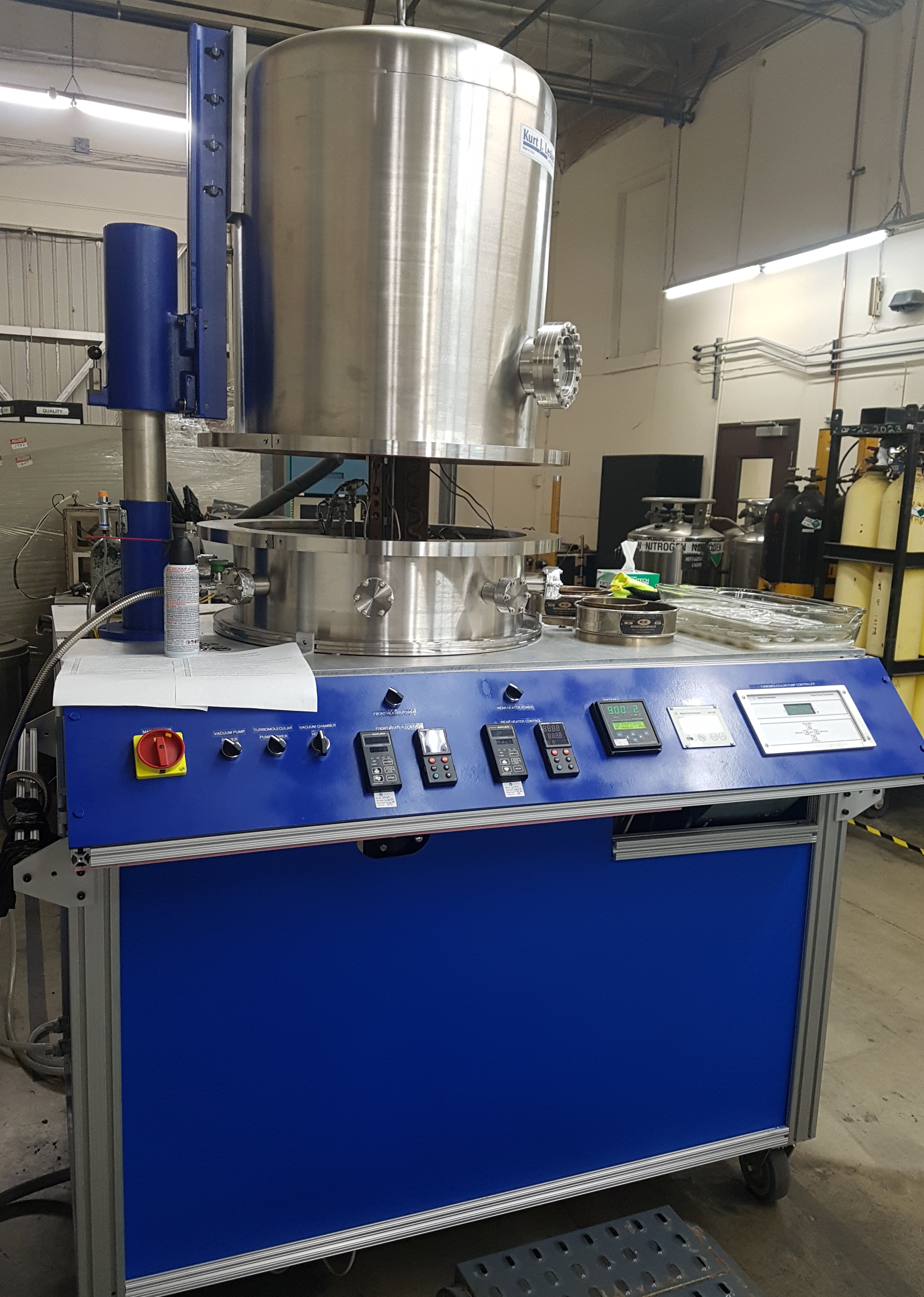
The Element Materials Technology (Element) Los Angeles laboratory has expanded its capability by installing a new outgassing chamber to allow for ASTM E595 outgassing testing for the space industry.

Image courtesy Element

ASTM E595 is critical for suppliers in the space industry as it tests materials under high vacuum conditions, which can only be done in an outgassing chamber. As a result of the new capability, the laboratory has received A2LA accreditation and has increased the specification of services for customers.

Advertisement
ODU RT

During ASTM E595 testing a material is placed in the thermal vacuum chamber for 24 hours, which is one of the most thorough methods of vacuum testing for materials used in space conditions. Outgassing testing allows customers to choose compatible materials that meet the Total Mass Loss (TML) and the Collected Volatile Condensable Materials requirements established by NASA and the European Space Agency (ESA). 

Rick Sluiters, EVP for Aerospace at Element, commented: “The expansion of our capability for testing mission critical components in the space industry has come in response to customer demand. Our team of engaged experts, combined with the latest in testing technology, puts Element at the forefront of the specialism in the region.

“Element is experiencing growth in the market for materials and composites testing and this innovation brings our expertise closer to our customer base, allowing them to meet the requirements for the industry supply chain.”

Element Los Angeles specialises in aerospace composites testing with experts active in industry groups such as CMH17, SAMPE, ASTM, and the FAA fire test handbook. The facility is accredited to ISO/IEC 17025, Nadcap, and works with many leading aerospace and space industry businesses.


Advertisement
ODU RT


Advertisement
Gulfstream banner
Seraphim establishes Global Space Futures Advisory Council

Space

Seraphim establishes Global Space Futures Advisory Council

17 April 2026

London based space technology investment group, Seraphim Space, has announced the establishment of the Global Space Futures Advisory Council, created to address key strategic, commercial and geopolitical opportunities and challenges facing the space sector.

AccelerComm granted 56th patent as it advances 5G

Space

AccelerComm granted 56th patent as it advances 5G

16 April 2026

UK based provider of physical layer IP for 5G non-terrestrial networks (NTN), AccelerComm Ltd, today announced the grant of its 56th international patent, marking a significant milestone as the company completes its 10th year of operations.

DESI completes 3D map of the Universe

Space

DESI completes 3D map of the Universe

16 April 2026

The Dark Energy Spectroscopic Instrument (DESI) has completed the largest 3D map of the Universe.

BAE Systems introduces Ascent spacecraft

Defence Space

BAE Systems introduces Ascent spacecraft

15 April 2026

BAE Systems has introduced its Ascent spacecraft, a new addition to the company’s Elevation spacecraft line that supports superiority and exploration missions across the space domain.

Advertisement
ODU RT
Amazon to acquire Globalstar

Space

Amazon to acquire Globalstar

14 April 2026

Amazon.com, Inc. and Globalstar, Inc. have announced that they have entered into a definitive merger agreement under which Amazon will acquire Globalstar, enabling Amazon Leo to add direct-to-device (D2D) services to its low Earth orbit satellite network and extend cellular coverage to customers beyond the reach of terrestrial networks.

Northumbria University researchers awarded £4m to solve space radiation mystery

Space

Northumbria University researchers awarded £4m to solve space radiation mystery

14 April 2026

Researchers at Northumbria University have been awarded £4 million to unlock the secrets of Earth's radiation belts and why they behave so unpredictably – information which is crucial for protecting satellites and forecasting space weather.

Advertisement
ODU RT
Advertisement
FIA2026 animated banner