Advancing UK Aerospace, Defence, Security & Space Solutions Worldwide
  • Home
  • /
  • Defence
  • /
  • Exercise Autonomous Advance Force tests unmanned equipment in Norway

Defence

Exercise Autonomous Advance Force tests unmanned equipment in Norway
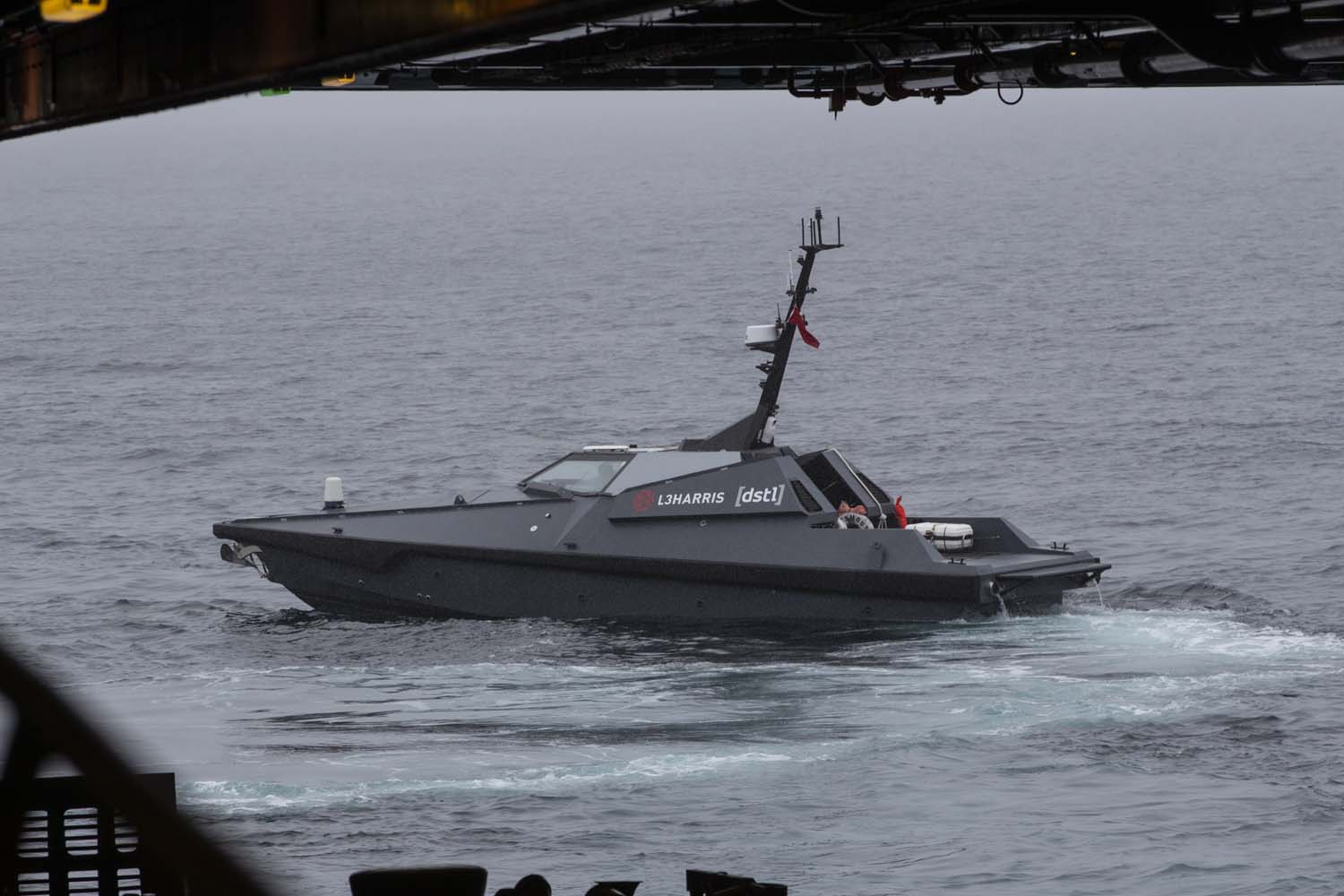
'Groundbreaking' trials in Norway saw a collection of unmanned equipment tested in an operational setting for the first time, in a number of milestones for the Royal Navy's autonomous future.


Images courtesy Royal Navy / Crown copyright

Royal Marines small boat specialists 47 Commando have been in Norway working alongside HMS Albion, the Royal Navy’s autonomous accelerator NavyX and the Office for the Chief Technology Officer to see how the kit could work during operations.
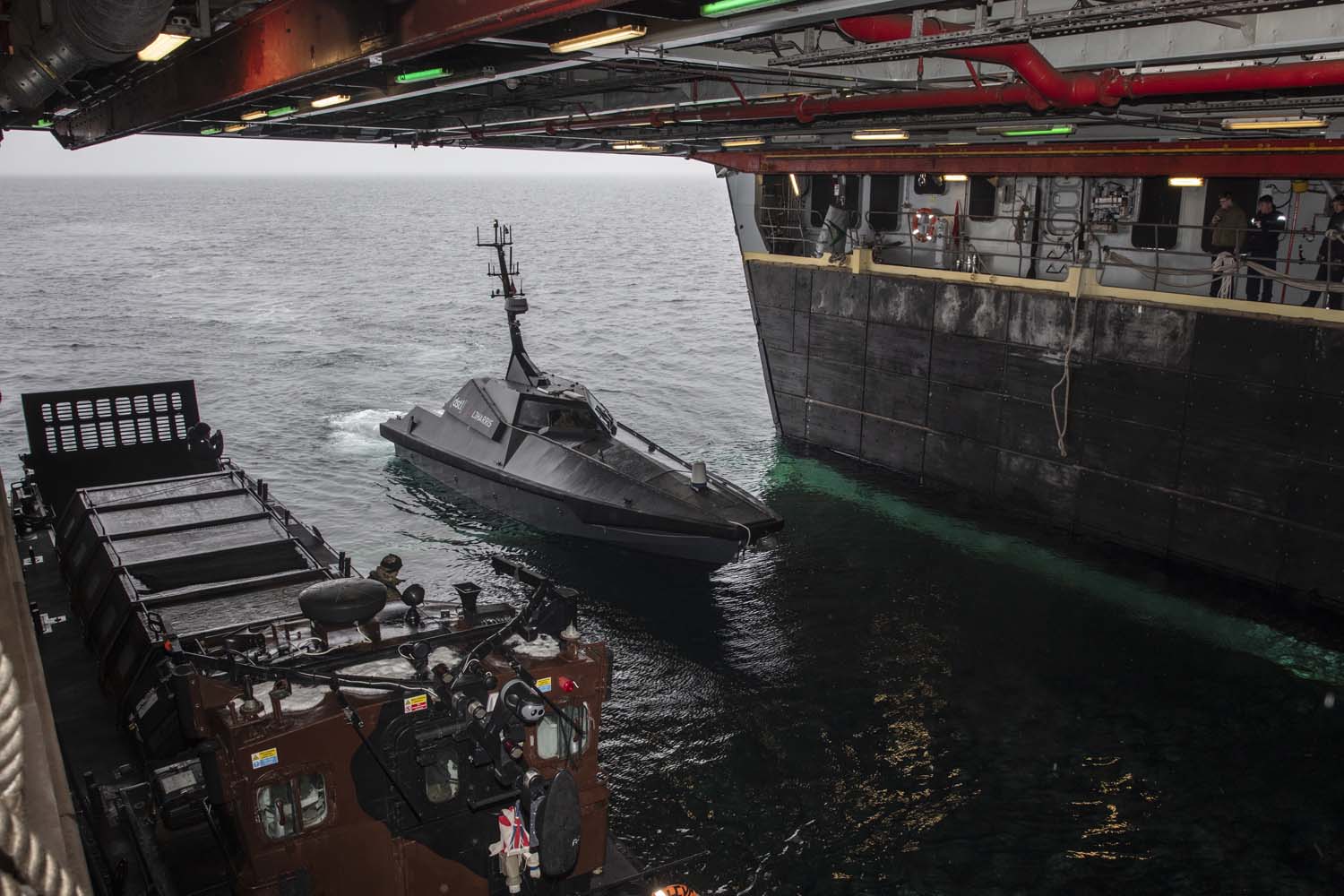
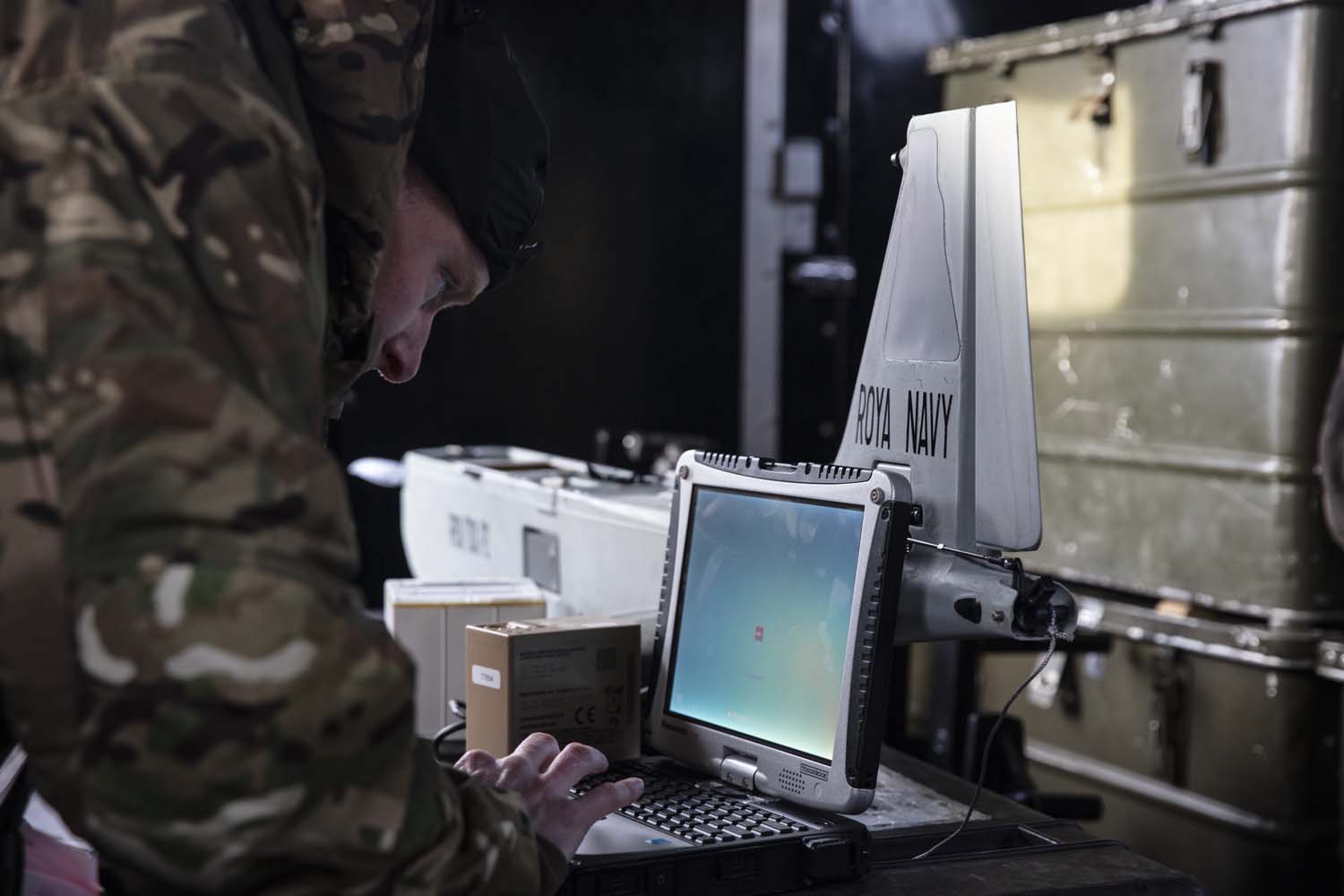
Exercise Autonomous Advance Force put unmanned boat Mast 13, heavy lift drone from Malloy, remotely-piloted air system Puma and the Remus unmanned sub-surface drone through their paces in the harsh conditions of the Arctic.

Advertisement
Security & Policing Rectangle

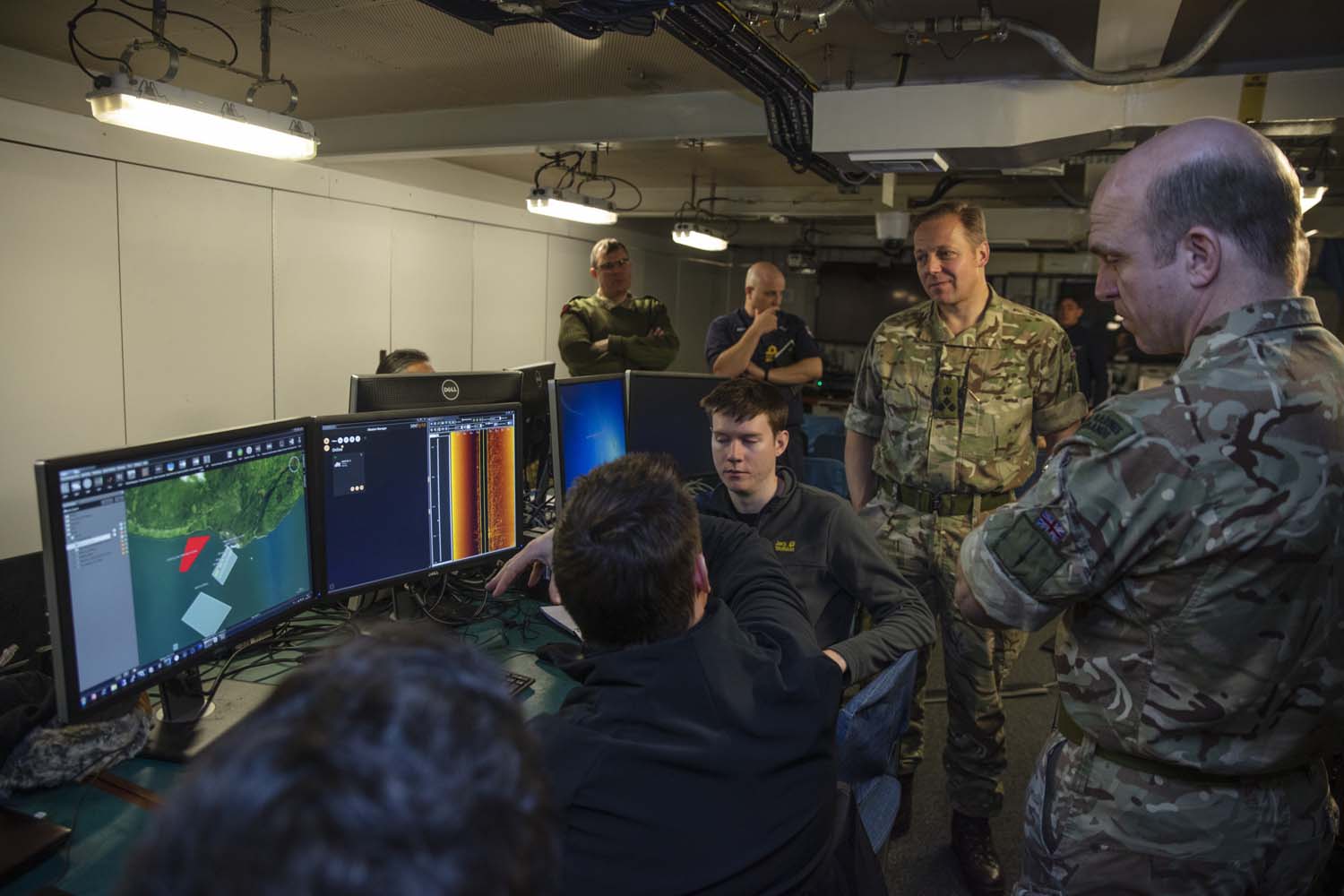
An artificial intelligence system to control all of this tech was integrated in amphibious ship Albion, with industry partners welcomed on board to implement and oversee the system trials.

The successful four-day exercise saw these technologies make their debut in an operational setting.
It was the first time an unmanned surface vessel has been operated from the dock in HMS Albion and the first time 700X Naval Air Squadron have flown Puma from a Royal Marines landing craft.

Colonel Chris Haw, commanding officer of Plymouth-based 47 Commando, said: “We wanted to operationalise the technology, both in an operational environment and as part of a NATO deployment.

“This exercise also enabled us to also integrate technology as far as possible into a Royal Navy warship.

“Integration of autonomy equipment is a key strand in the development of Future Commando Force and the Littoral Strike concept. The future vision is of this type of system being used to control multiple assets in different domains.

“This technology has the potential to be revolutionary within the naval service.”

Advertisement
PTC rectangle

The Autonomous Advance Force trials started last year in Cornwall and have since progressed to include more of the latest technology and more naval service units.  

The hope is to see commandos and sailors at the very centre of the AI control system, operating the equipment during live operations.

Col Haw added: “This series of trials has been ground-breaking. It is at the leading edge of technology and integrating multiple systems in the uniquely challenging physical environment that Norway presents, is a significant step forward.

“In November, after the second in the series of the trials, we were challenged to make this work in Norway in an operational environment and, in a relatively short amount of time we have made that happen.

“The speed with which we have managed to develop this system in conjunction with industry partners and the multiple stakeholders involved has been impressive.”




Advertisement
ECS leaderboard banner
Ultra Maritime secures £40m MoD sonobuoys

Defence

Ultra Maritime secures £40m MoD sonobuoys

3 February 2026

Ultra Maritime has secured a £40 million contract from the UK Ministry of Defence (MoD) to deliver sonobuoys for the Royal Navy’s Merlin Maritime Patrol Helicopter - significantly strengthening the UK’s undersea surveillance and deterrence posture at a time when British waters are under increasing threat from foreign actors.

Babcock and ASELSAN partner on training simulation

Defence

Babcock and ASELSAN partner on training simulation

3 February 2026

Babcock has signed a Memorandum of Understanding (MoU) with ASELSAN, to explore the Royal Air Force’s (RAF) requirement for a Surface Electronic Warfare Threat (SEWT) training system as part of the Next Generation Operational Training (NGOT) programme.

Defence personnel to gain greater powers to defeat drones

Defence Security

Defence personnel to gain greater powers to defeat drones

3 February 2026

The security of key military sites will be strengthened as Defence personnel will be given stronger powers to defeat drones near bases as part of new measures being introduced in the Armed Forces Bill.

Viasat launches satellite service portfolio for government UAV ops

Defence Security Space

Viasat launches satellite service portfolio for government UAV ops

2 February 2026

Viasat today launched its next-generation satellite service portfolio, engineered to meet the evolving demands for government uncrewed aerial vehicle (UAV) operations worldwide, including intelligence surveillance and reconnaissance (ISR), emergency response and special operations.

Advertisement
ODU RT
BAE Systems opens new office in Utah

Defence

BAE Systems opens new office in Utah

2 February 2026

BAE Systems has announced the opening of its new office in Utah, marking an expansion of the company’s local footprint and continued investment in the state’s workforce, economy and innovation ecosystem.

ABT sets framework for OEM battery development

Aerospace Defence Security

ABT sets framework for OEM battery development

2 February 2026

UK battery pack manufacturer Alexander Battery Technologies (ABT), has set out a clearer framework for how OEMs can approach battery development.

Advertisement
ODU RT
Advertisement
General Atomics LB