Heathrow embraces SAF to reduce emissions
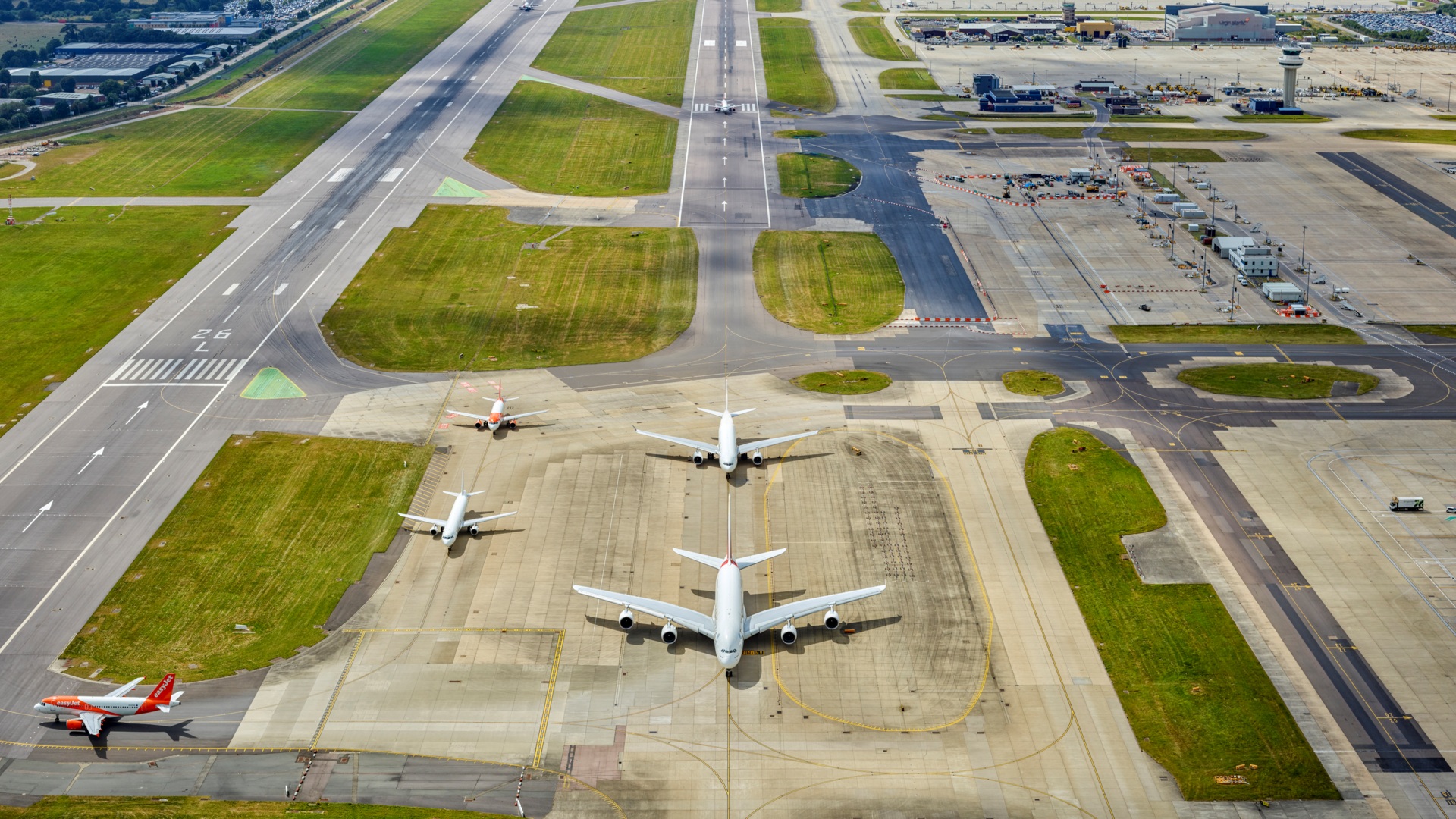
Image courtesy Heathrow
Whilst the fuel supply may be comparatively small - equivalent to fuelling 5-10 short haul flights – this commercial delivery will establish proof of concept at the UK’s largest airport. Achieving this milestone is a critical first step in demonstrating to Government that the technology will work in reducing carbon from aviation so long as the correct policy framework to incentivise take up at scale is achieved.

Vitol Aviation’s expertise in the specialist handling of jet fuel will be combined with Neste’s market-leading SAF production capabilities. Neste MY SAF is produced 100% from renewable and sustainable waste and residue raw materials, such as used cooking oil and animal and fish fat waste. Neste MY Sustainable Aviation Fuel in its neat form and over the life cycle, reduces up to 80%* of greenhouse gas emissions compared to fossil jet fuel use.
Increasing the use of Sustainable Aviation Fuel (SAF) is the key tool in the decarbonisation of aviation. Together with other technologies, it offers a pathway to achieving net zero aviation in line with the Paris Agreement. As we approach COP26 in Glasgow now is the moment for the Government, investors and industry to collaborate in scaling-up the use of SAF to ensure real momentum this decade.
Yesterday’s announcement marks the next step in Heathrow and the UK aviation sector’s plan for net zero flying. To achieve rapid scale up of production of SAFs, Heathrow is calling for the UK Government to set escalating mandates that requires a minimum of 10% SAF use by airlines by 2030, increasing to at least 50% by 2050. This should be alongside commercial incentives for airlines to stimulate demand and foster investment, and to help ensure the UK is at the forefront of SAF production.
Heathrow has already been engaging with partners including airlines on committing to SAF so the UK’s hub can achieve its objective to become one of the most sustainable airports in the world. 58% of Heathrow airlines by air traffic movements have committed to 10% SAF usage by 2030. The Committee on Climate Change’s most optimistic projection for SAF usage by 2030 was 7%, demonstrating Heathrow flights are already 84% on the way towards this projection.
The first delivery of SAF at Heathrow in June this year is therefore a pivotal and historic moment. The type of SAF being used is called HEFA (Hydrotreated Esters and Fatty Acids) which can be made from vegetable oils, waste oils or fats. The HEFA being used at Heathrow is made from waste (such as used cooking oil), residues (such as fish fat waste from the food processing industry) and sustainably sourced vegetable oils.
Heathrow Chief Executive Officer, John Holland-Kaye said: “We are delighted that Heathrow is the first UK major airport to successfully incorporate sustainable aviation fuels into its operation. As we get ready to welcome the world to the G7, we can demonstrate how this technology can significantly cut carbon from aviation, whilst protecting its benefits. The UK Government now has an opportunity to create a new British growth industry by backing sustainable aviation fuel production and also be leaders in the race to a net zero 2050. Now is the time for less talk and more action and Ministers should set an escalating mandate to blend SAF into fuel and provide incentives that are stable over 5-10 years to foster investment in production, with a target of 10% by 2030 and at least 50% by 2050.”
Vitol Aviation, Leticia Hachuel said: “Sustainability has always been important to us as a supplier and to airlines and their passengers. We are delighted to be the first to deliver sustainable aviation fuel to Heathrow. Whilst this is proof of concept, for the need to realise lower-emission options for flying is critical and we are looking at how we can use our expertise to offer more sustainable options.”
Renewable Aviation at Neste Vice President Europe, Jonathan Wood said: “We are continuously supporting the aviation industry in its efforts to reduce greenhouse gas emissions. We are pleased that Vitol are enabling Neste MY SAF to be used at Heathrow, one of the leading global hub airports. We are also proud to play a role in lower-emission travel ahead of the G7 conference, where sustainability will be one of the key topics."