Heathrow hits environmental milestone
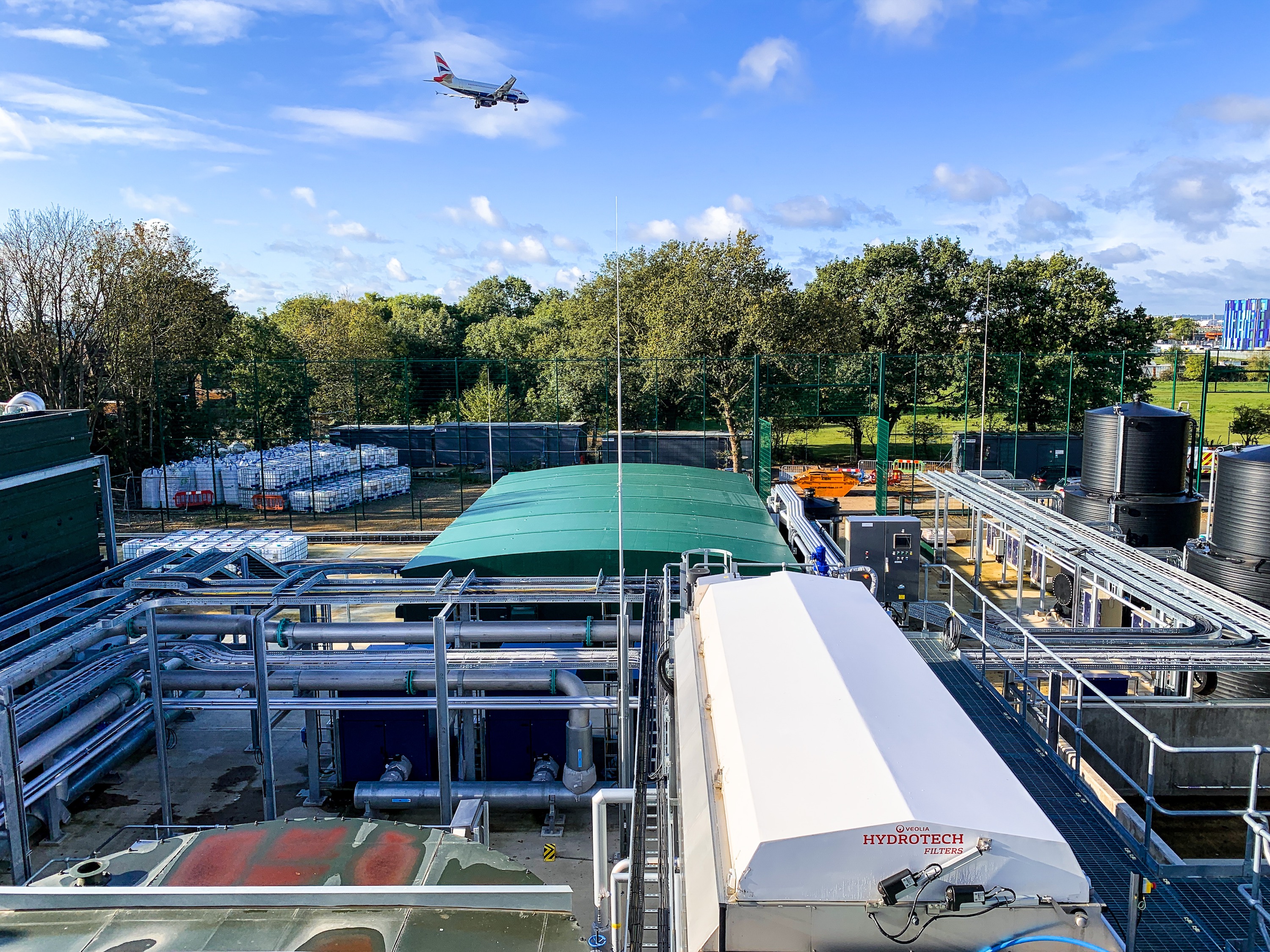
Image courtesy VWT UK
VWT UK was selected due to its expertise in water treatment technologies and services – and for the cost-effective, yet bespoke solution its experienced team put forward.
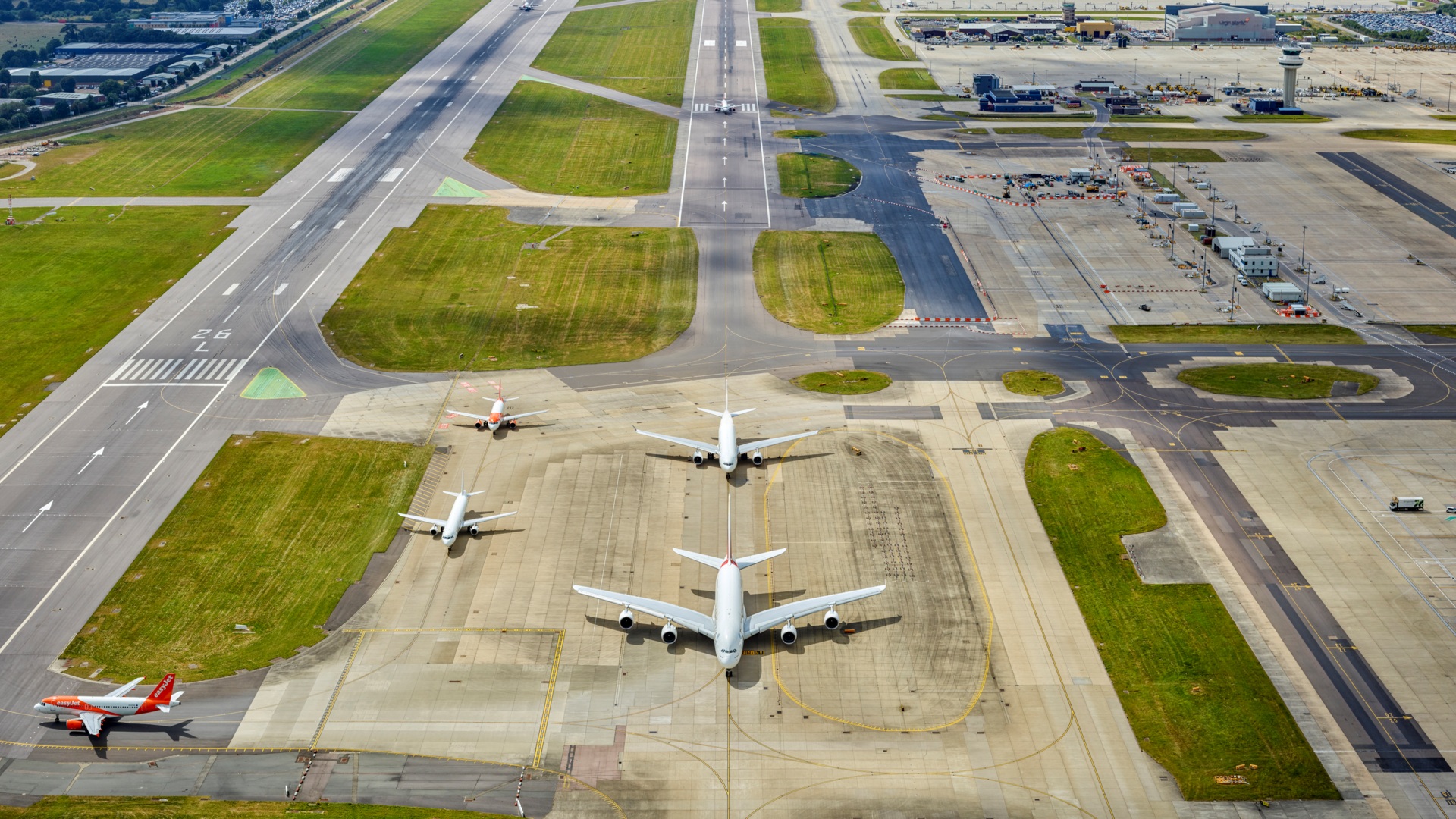
The aim of the project was to provide a biological wastewater treatment plant to treat the glycol runoff from the airport runways prior to its discharge into the river Crane. An organic compound from the alcohol family, glycol is commonly found in antifreeze solutions and, as such, is used as a de-icer on aircrafts during the winter months.

For Heathrow, it was necessary to create a solution that could be kept in a semi-ready state throughout the summer, for use during cold spells when the glycol is used on aircraft and present on the runways. The new plant is part of Heathrow’s environmental ambition to prevent the discharge of any contaminants into the river Crane in the future.
After a competitive bid, VWT UK was selected to design, supply, install, commission and operate the plant. This means that the leading provider of water treatment technologies and services will continue to operate the new plant for the next nine-years - having secured a further operations contract which began in December 2019.
The new glycol removal plant takes water from a runway collection lagoon, processes it and discharges it into a separate four-part clean water lagoon, prior to its release into the river Crane. The plant itself includes two 1,100 m3 AnoxKaldnes Moving Bed Biological Reactor (MBBR) biological treatment tanks, through which the effluent passes.
Next, the water enters a coagulation tank, followed by a flocculation tank before the solid flocs are filtered through one of VWT UK’s Hydrotech Discfilters. The filtered solids, or sludge, are then thickened and disposed of while the treated water is discharged to the clean side of the lagoon. In total, the plant processes 720,000 litres of runoff water per hour and 550kg of biochemical oxygen demand (BOD) per day.
An aerobic wastewater treatment method, MBBR systems use active biofilm carriers made from plastic with large surface areas on which bacteria can grow with optimal culture conditions. The carriers are kept constantly in motion within the tanks using aeration, allowing the bacteria to break down organic material in the wastewater – in this case BOD, of which glycol is rich, and ammonia. The large surface area of the carriers in the AnoxKaldnes patented MBBR systems enable the treatment of a high quantity of wastewater using a very small footprint. The bespoke MBBR solution for Heathrow was developed and tested on a small scale at the AnoxKaldnes laboratory in Sweden using sample water provided by Heathrow to ensure that the technology would provide the necessary level of treatment.
The plant also has space to increase the hydraulic capacity with the addition of a third MBBR system, should it be required by Heathrow in the future.
“Working with Veolia Water Technologies on this project has been great,” the Heathrow project team commented. “We had some testing conditions and difficult situations early on during the project but the Veolia project team really turned site performance around.”
“Health and safety protocol on site has also been brilliant and the project team were always willing to help and provide solutions to changes in the works information and delivery of the plant. Any problem we threw at them – the VWT UK team came up with a solution.”
Barry Hallam, Project Manager at Veolia Water Technologies UK commented, “So far, we have received good plaudits from Heathrow and the initial trial of the technologies has also been successful.
“We hope that in 2021 this is a technology that we can provide elsewhere as we have already had a lot of interest from other operators around Europe who are looking to improve the environmental credentials of their airport sites. We expect they will be watching the outcomes of the Heathrow plant closely.”