IAT projects receive £10m to develop clean aviation

Above:
The Aerospace Technology Centre (ATC) at night.
Courtesy University of Nottingham / © Marlow Photographic
Several projects led by the University of Nottingham’s Institute of Aerospace Technology (IAT) have received a total of £10 million to fund research into the future of net zero aviation.

HECATE, NEWBORN and HERA are all part of the Clean Aviation Joint Undertaking, the EU’s leading research and innovation programme for making the aviation industry ready for a sustainable future. The projects build on the significant outcomes delivered by the University of Nottingham in the development of electrification technologies over in recent years.
Professor Serhiy Bozhko, Director of the IAT at the University of Nottingham, said: “The aerospace industry hasn’t really changed since the jet engine revolutionised air travel in the 1950s. Therefore, technologies that will reduce our reliance on fossil fuel and improve the efficiency of flight are of ultimate importance to help us deliver the next great breakthrough in disruptive technologies. We hope to have a major impact on the future of aviation through our involvement in these new, ambitious projects.”
Aviation needs to meet the ambitious targets of the European Green Deal, ultimately reaching climate neutrality by 2050, which means a step change is required to significantly reduce fuel burn. For HECATE, the University of Nottingham team will be working on the high power, power electronic converters required for the move towards hybrid-electrical aircrafts – including digitising a design process that will lead to the development of technology bricks.
NEWBORN intends to bring aviation graded fuel cells fed by liquid hydrogen into the market, for use in large, turbine-powered aircrafts, as soon as is safely possible. It will also address high power density high voltage energy conversion, propulsion systems and the next generation of microtube heat exchangers – with the ambition of achieving an overall propulsion system efficiency of 50% by the time the project ends in 2026. The University of Nottingham will be demonstrating an innovative electrical drivetrain with electrical machine and power electronics reaching a step change in power density and efficiency compared to state-of-the-art solutions.
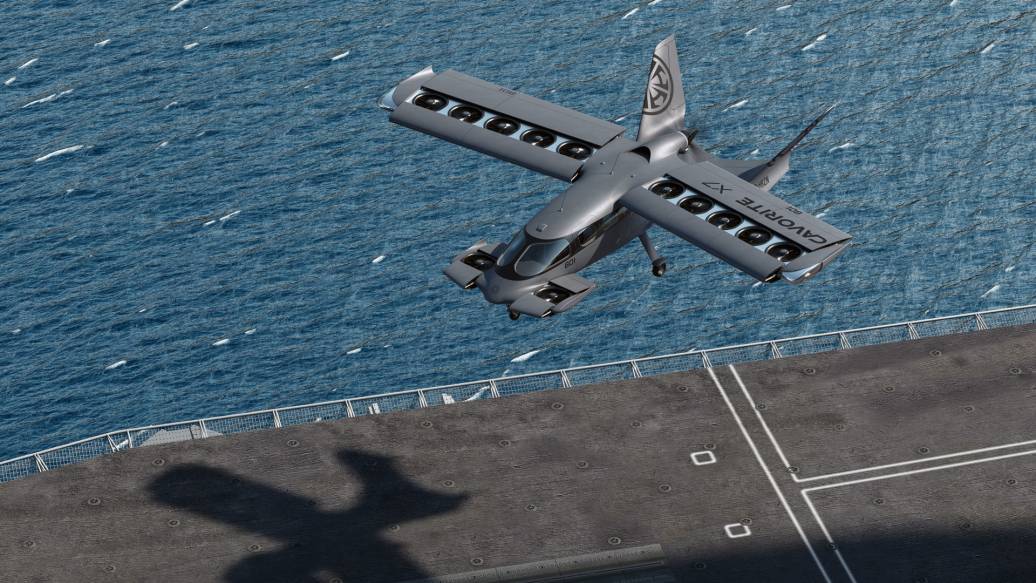
Finally, HERA aims to cut greenhouse gas emissions and develop a brand-new aircraft. At a size of approximately 50 to 100 seats, the aircraft will be ready for entry into service by the mid-2030s and will include hybrid-electric propulsion using batteries or fuel cells resulting in up to 90% lower emissions while remaining fully compliant. A research team of experienced academics, researchers, engineers and technical and professional staff will be spending the next three years working alongside the principal investigators for the projects - Serhiy Bozhko, Tao Yang and Pat Wheeler - and industry partners to bring the projects to fruition.
Professor Pat Wheeler, Global Director of the Institute for Aerospace Technology at the University of Nottingham and principal investigator for HECATE, said: “We are delighted to be so involved in these Clean Aviation projects, which follow on from our work in the Clean Sky JTI programmes, which have received more than £60 million in funding, over the last 15 years.
"Our involvement in this project allows us to continue our world leading work on large power electronic converters and the vision of electric propulsion systems, as part of the solution to net zero flight, using the superb facilities of the recently opened Power Electronics and Machines Centre Building and the Aerospace Technology Centre.
“Winning these Clean Aviation projects is testimony not only to our technical work, but also all the work of our Institute of Aerospace Technology in promoting and managing the university’s ongoing aerospace profile.”
Professor Chris Gerada, Technical Director for DER-IC’s Nottingham Drive Specialist Services and Lead for the university’s strategic research and innovation initiatives in the Faculty of Engineering, said: “These projects will enable the University of Nottingham to exploit our unrivalled facilities and capabilities in electrification, to make meaningful impact for a future sustainable aviation industry. These projects will see our researchers work alongside more than 20 other leading organisations across Europe to develop world leading solutions at the pace needed.
“We have invested in manufacturing and testing facilities over the past five years to support the effective development of MW-class electrical solutions and are committed to retaining the university’s internationally leading position in net zero aviation and will continue to invest in its excellent people and infrastructure.”
HECATE and NEWBORN will also benefit from a six-figure contribution from the University of Nottingham Italy (UNIT) - an independent research venture based in the Campania region. Designed to work in synergy with our Italian and European Union partners on research and technology development projects, UNIT offers exceptional expertise and experience developed by University of Nottingham’s lead academic and researchers.