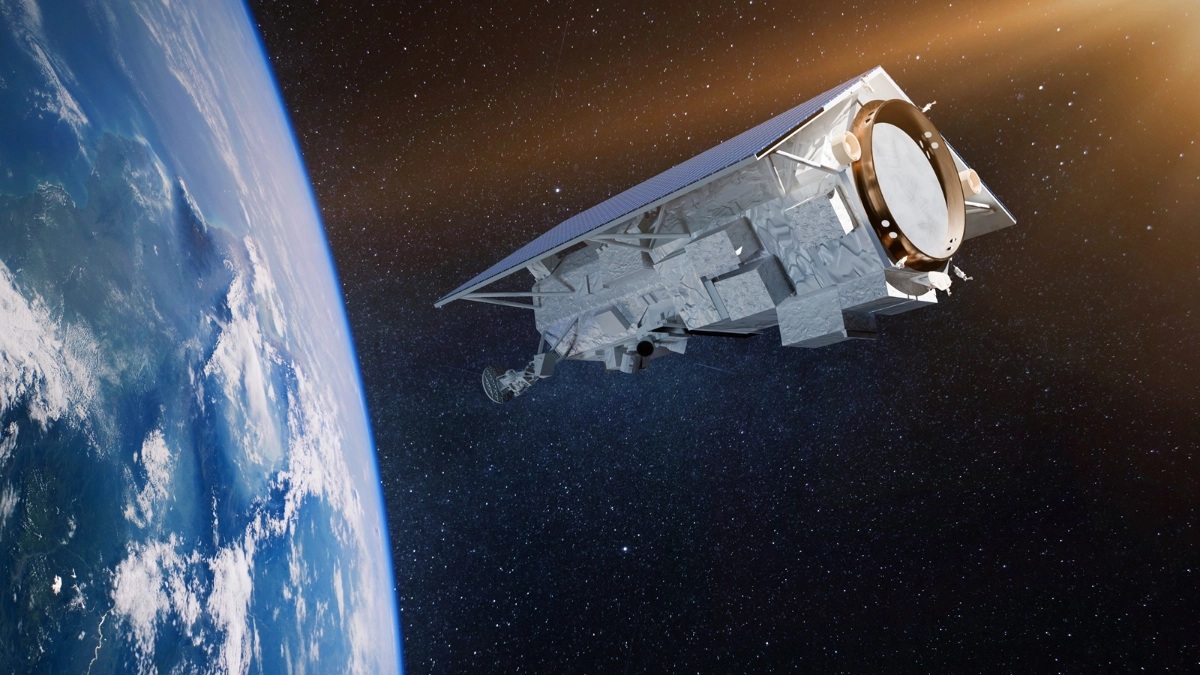
Inmarsat marks five years of Global Xpress worldwide service
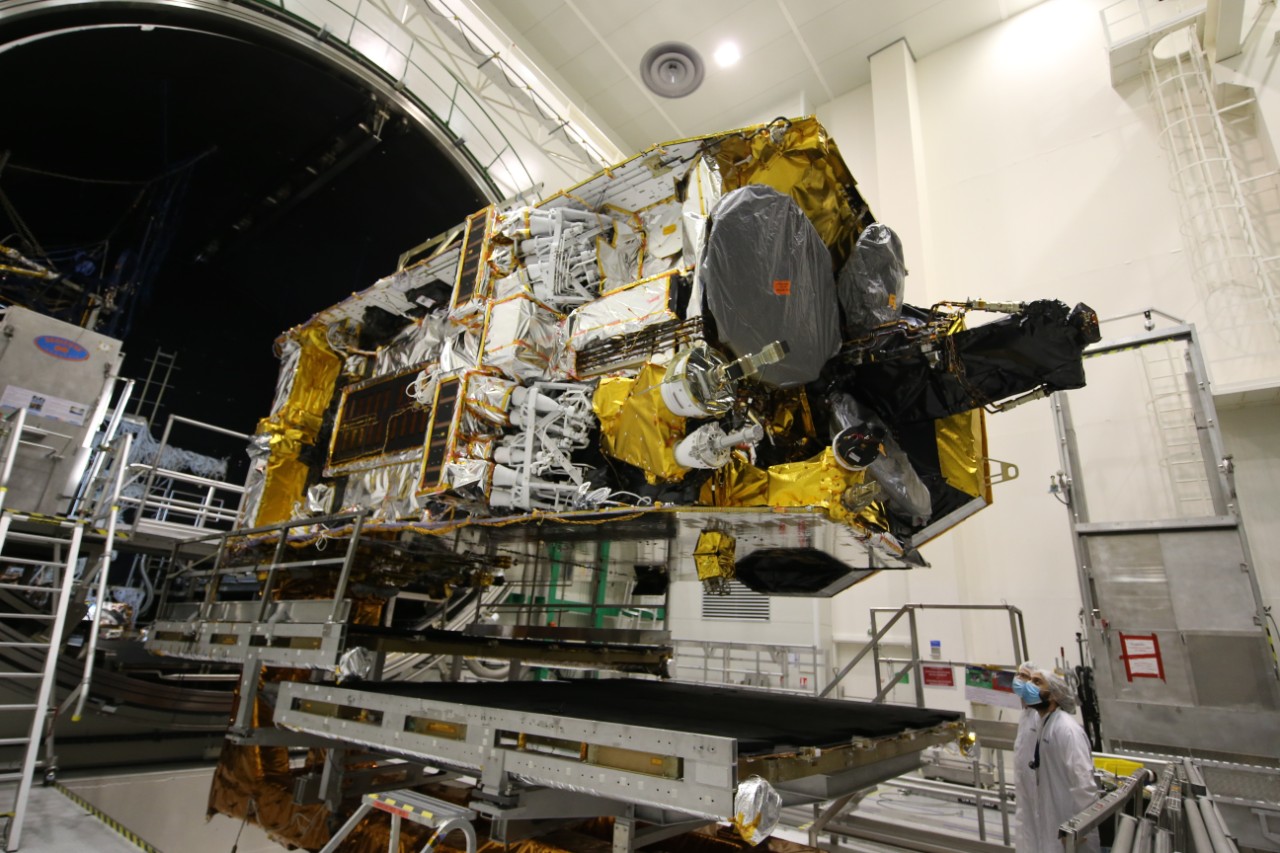
Image courtesy Inmarsat
GX is and remains, the world’s first and only globally available, high-speed broadband network, owned and managed by a single operator. It is already driving the digital transformation of major industries across the world, enhancing fundamentally the way maritime, aviation, government and humanitarian users, among others, work.

Delivered through a geostationary satellite constellation, with each satellite offering coverage of one third of the planet, Inmarsat announced that the GX network had achieved global coverage on 4th January 2016. Over the ensuing five years, redundancy and additional capacity to support high-demand growth regions have been added in the form of GX4 and GX5. The latter of which began commercial service on 10 December 2020 over Europe and the Middle East.
Rupert Pearce, Chief Executive Officer at Inmarsat, said: “Global Xpress has had a major impact across multiple industries over the past five years but the service has only just started to demonstrate its capabilities. When our global network of partners and customers adopt GX, they are doing so as a long-term investment and we believe it is our responsibility to ensure that this commitment is protected. For this reason, and to ensure that we deliver additional capacity ahead of the demand curve, we are in the process of delivering against the most ambitious technology roadmap, the largest, fully-funded investment strategy in our history.
“This will see not just a transformational increase in GX capacity but will also guarantee that, by ensuring backwards compatibility, our partners and customers have access to a new generation of GX capabilities and ever increasing broadband speeds, which will include the world’s first dedicated broadband services for the Arctic region.”
GX serves organisations and governments around the world and today it is regarded as the gold standard for global, mobile broadband connectivity. Operating in the Ka-band, Global Xpress also integrates seamlessly with Inmarsat’s L-band network to deliver powerful and exceptionally reliable connectivity anytime, anywhere.
Further advanced Ka-band payloads (GX6A & 6B) will also be hosted on the next generation Inmarsat-6 (I-6) L-band satellites, scheduled for launch in 2021 and 2022. The most powerful and flexible mobile communication satellites ever developed by Inmarsat, the I-6 fleet, together with advanced ground infrastructure technology, will support enhanced user devices and services.
The Global Xpress network will also be enhanced with new Arctic capabilities. In a partnership with Space Norway and its subsidiary Space Norway HEOSAT, two satellite payloads – GX10A & 10B – will be placed into Highly Elliptical Orbits (HEO), ensuring continuous coverage above 65° North. The world’s first and only high-speed mobile broadband payloads dedicated to the Arctic region, they will have the ability to direct multi-beam, high-throughput capacity in real-time to the areas of highest demand, and will integrate seamlessly into the existing and planned GX network.
Following on from these developments a new generation of Global Xpress satellites, GX7, 8 and 9, will then mark a step change in the combined capabilities and capacity of the GX fleet. The first software-defined constellation for global mobile connectivity, each satellite in the GX7, 8 and 9 series will deliver twice the total capacity of the entire current, in-service GX network (GX1-5). Their ability to simultaneously generate thousands of independent spot beams of different size, bandwidth and power that can be reconfigured and repositioned across the globe means Inmarsat will be able to respond to peaks in customer demand instantaneously and with pinpoint accuracy, and stack up overlapped capacity over regional hot spots.
As well as these major developments in space, the transformation programme also includes major enhancements to the GX ground network, which will deliver full integration of each generation of GX satellites to form a highly-secure, inter-operable, ultra-high performance network. Future GX satellites offering new capabilities can easily be added to this dynamic framework as market demand grows and technology innovation opens up additional opportunities.
The new GX technology will be backwards compatible with existing terminals, meaning current customers will benefit automatically from future service enhancements. Through regular upgrades to GX network capabilities and features, they will always be able to take advantage of future technology innovation and disruption.
Rupert Pearce continued: “Inmarsat is a pioneering, technology-driven company and our high performing, innovative, and highly skilled people take pride in helping communities, companies and countries to build a better future through the connectivity that we provide. As a strong, agile and diversified company with a fully-funded future technology roadmap, Inmarsat delivers global, highly differentiated platforms on which partners and customers can securely invest and innovate for growth. Together, with a world-leading community of technology, manufacturing and channel partners, Inmarsat offers multiple networks and an agnostic approach to technology to meet the world’s connectivity demands, both now and for the future.”