ITA Airways adopts Iris tech
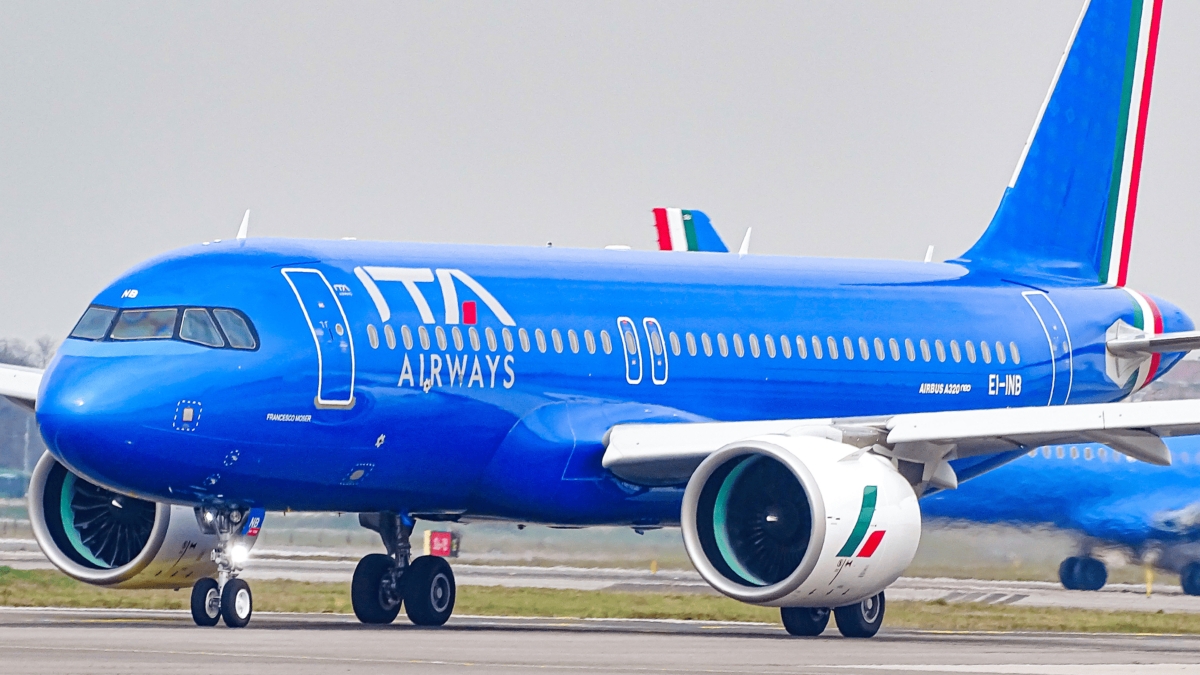
Image courtesy Viasat
The award-winning European Space Agency (ESA) Iris programme, within ESA Connectivity and Secure Communications, is led by Viasat and takes advantage of next-generation satellite technologies to help modernise Air Traffic Management (ATM).
The service is underpinned by Iris Service Provider and key project partner ESSP, who holds the EASA certification for Iris services provision and has onboarded 19 leading Air Navigation Service Providers (ANSPs) for the Pre-commercial Flights phase, a crucial validation period ahead of deployment. This phase will conclude by the end of 2025. Starting in 2026, the commercial phase will begin with the goal of onboarding 28 ‘Single Europan Sky (SES) 2+’ ANSPs by 2032, supporting operations of more than 1,100 Iris-capable aircraft flying in Europe.

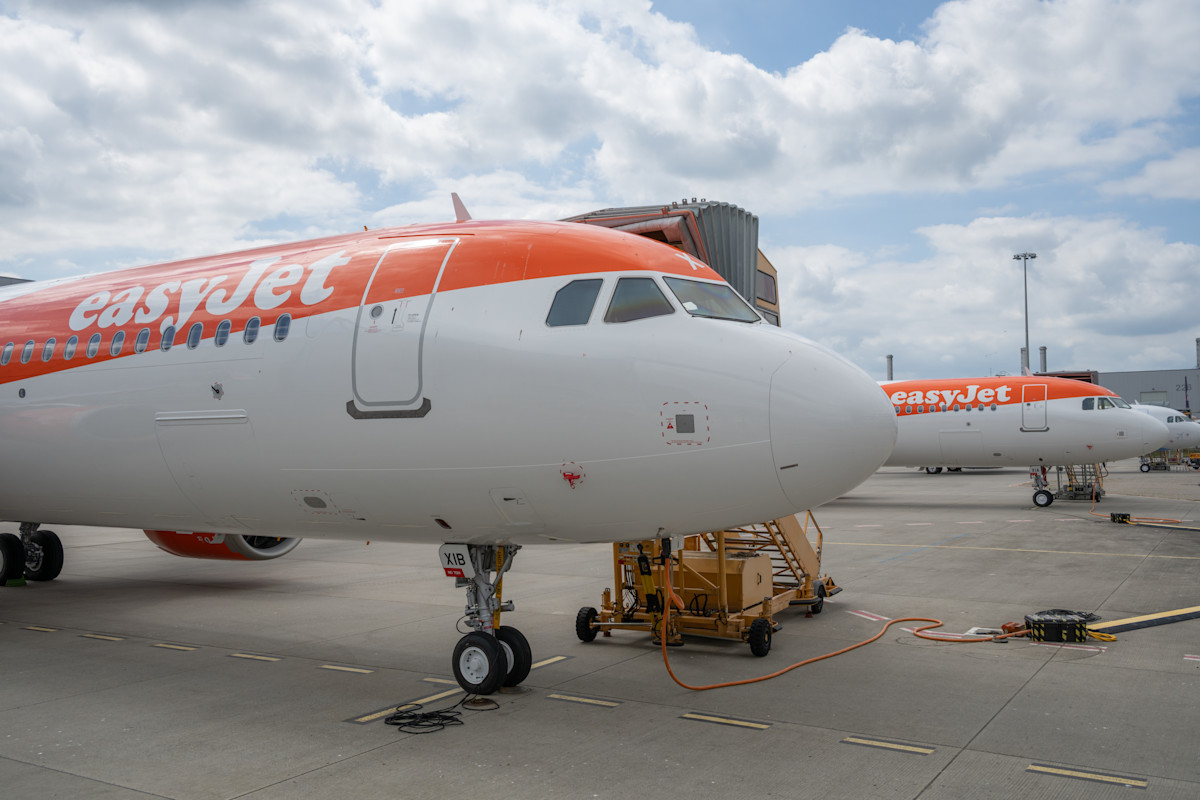
The Iris programme puts the Single European Sky initiative - which aims to reform ATM in Europe - into action, with ITA Airways one of several airlines leading the way. The Iris capability will initially be rolled out on four ITA Airways Airbus A320neo aircraft.
Iris will enable ITA Airways to unlock increased operational efficiencies, achieving improvements in fuel burn and reductions in emissions, as well as contributing to improved airspace modernisation across Europe. This is critical in the industry’s continued path towards net zero and 4D trajectory-based operations.
Offered as a fully developed and certified capability by Airbus on the A320 and A330 series aircraft, Iris enables initial 4D trajectory-based operations to share trajectory and intent-based operational information. This enables airlines to avoid holding patterns, calculate the shortest available routes, cruise at optimum altitudes, and benefit from continuous climb and descent pathways. It also paves the way for multilink data link communications using both VDL2 and Iris SATCOM methods, which is critical to modernising ATM. Iris is powered by Viasat’s SwiftBroadband-Safety (SB-S) connectivity platform.
ITA Airways will operate Iris enabled flights on routes from Milan and Rome to destinations across Europe.
Joerg Eberhart, CEO and General Manager of ITA Airways, said: “The introduction of Iris technology on our aircraft represents a significant step forward in enhancing operational efficiency and environmental sustainability.
“At ITA Airways, we are deeply committed to supporting the modernization of European airspace as part of the roadmap toward the Single European Sky, and to playing an active role in the advancement of Air Traffic Management. Through this partnership with Viasat, ESA, and ESSP, we will improve flight punctuality, optimize fuel consumption, and further reduce emissions.
“This initiative perfectly complements our ongoing fleet renewal programme, which already comprises 69% of new-generation aircraft — delivering greater value to our passengers and contributing to a more sustainable future for air travel in Italy and across Europe.”
Joel Klooster, SVP, Flight Safety and Advanced Air Mobility at Viasat, said: “We’re thrilled to see Iris taking to the skies on ITA Airways’ flights across Europe. ITA has been committed to the goals of the Single European Skies initiative for a long time. It’s been fantastic to work so closely with them, as well as our partners ESA and ESSP, to bring the benefits of Iris’ next-generation technology to more flights and passengers across Europe. We look forward to seeing success with these flights: and to rolling out the programme across more routes and airlines soon.”
Laurent Jaffart, Director of ESA’s Connectivity and Secure Communications, said: “With the addition of ITA Airways to the Iris service, another milestone has been achieved in supporting the European Commission’s Single European Sky vision for an efficient and environmentally friendly European airspace. The adoption of Iris is a key space-based solution for European Air Traffic Management, which will – in turn – pave the way for global use. By supporting Iris through an ESA public-private partnership, we are delighted to combine our expertise with those of leading aviation actors across the continent and beyond it.”
Charlotte Neyret, CEO at ESSP, said: “We are thrilled that ITA Airways is now using the Iris Service, marking a major step forward expanding operations across Europe. This is a strategic milestone that highlights the increasing pace of adoption and the growing relevance of Iris in European aviation. Having an additional leading European airline onboard strengthens the network, extends Iris usage across more airspace, and confirms the growing trust in the service's reliability and impact. It’s a win that reflects both progress and potential, opening new doors for growth throughout the region."
In recent years, the Iris programme has been developing globally. The Iris SATCOM Global Solution will focus on the technologies and certification required to share the fuel, CO2, and congestion-saving benefits.
Iris is now ready to be assessed and expanded for use in other global regions such as Asia and the Americas. By 2028, Iris will be well placed to enable flight optimisation across the globe, making flights greener and more efficient.