MAC SciTech secures UK Space Agency support
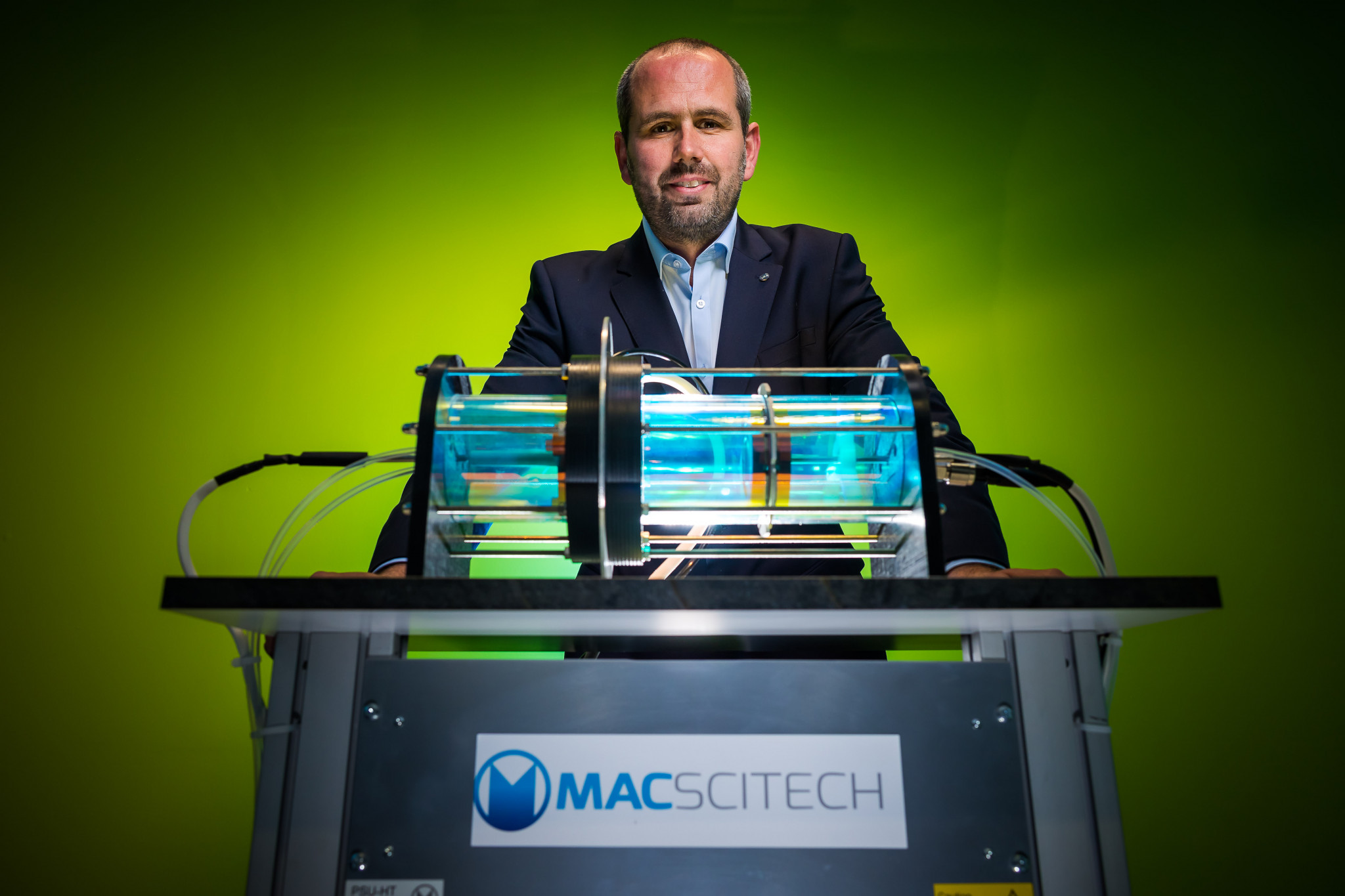
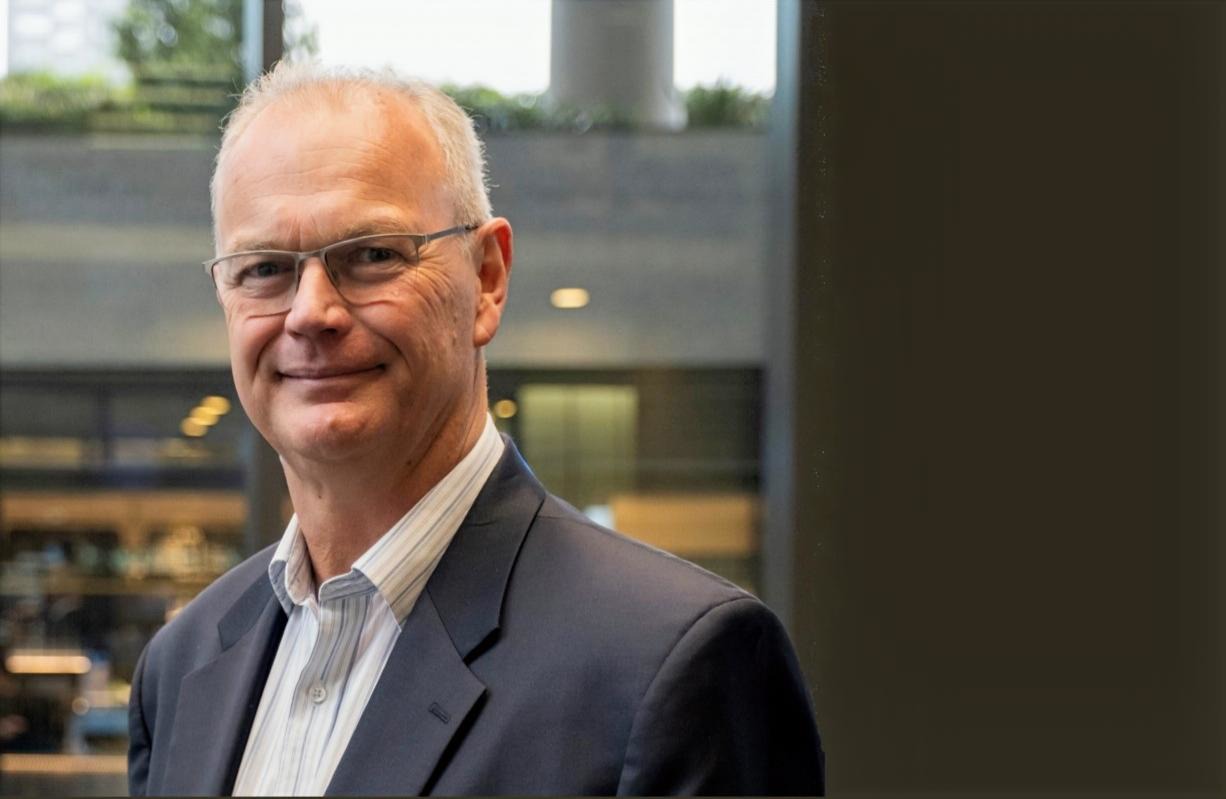
Above:
Michael Maughan, Founder of MAC SciTech.
Courtesy MAC SciTech
MAC SciTech has developed an out-of-this-world carbon dioxide processing system for space exploration which it hopes will rival technology being trialled by NASA.
Six months ago, the technology consultancy joined the UK Space Agency’s LEO programme and has now just completed its GEO Programme alongside eight other space technology companies. The GEO Programme is aimed at enabling high growth-potential companies within the UK and international space industries.

MAC SciTech Ltd, which has a laboratory in South Shields, has patented its revolutionary technology system for processing carbon dioxide designed for use on lunar space stations, space hotels and on the surface of Mars, as well as industrial applications on earth.
Founder Michael Maughan was recently invited to showcase his revolutionary technology during Ignite Space 2021 at Edinburgh International Conference Centre (Thursday 11 November). Michael, who has a PhD in chemistry from the University of Durham, spent five years working in the pharmaceutical industry. Starting out as a sole trader in 2008, he set up MAC SciTech in 2012 and runs the company with his wife Rachel Styles.
The consultancy usually operates in the military, marine, advanced manufacturing and medical sectors developing bespoke solutions for its clients. During lockdown, MAC SciTech developed its own carbon dioxide processing system to convert carbon dioxide to oxygen which could revolutionise longer term space travel and the carbon-capture industry.
MAC SciTech’s Carbon Dioxide Hydrogen Recovery System (CHRYSy) is an alternative to the MOXIE processing system used by NASA that was tested on board the Perseverance Rover on Mars.
Its green carbon capture processes means it can also be converted into useful chemicals found in a wide range of industrial materials, including methanol, polymers, waxes, fuels and plastics. The system processes breathing gas or the atmosphere on Mars and utilises hydrogen, recycles water for electrolysis and the carbon monoxide produced can be made into other valuable chemicals.
Michael has also provided mentoring for people currently attending the UK Space Agency’s LEO Programme, which is designed to promote high growth for high potential businesses.
He said: “A lot has happened in the last six months and I’m really pleased with how everything is going. The GEO support and Ignite Space gives us greater recognition and exposure to businesses in the UK and international space sector.
“It’s great to play our part in the UK space sector and collaborate or partner with world class organisations like the UK Space Agency, The North East Satellite Applications Centre of Excellence at NETPark, Durham University and Orbit.
“Our technology is specific to a small number of businesses but the size of the potential market is enormous and potential users of the technology include the likes of SpaceX, Blue Origin and Axiom Space in the United States.
“We’re excited for the next stage in our journey and have high aspirations to become a world player in the space sector.”
Cllr Mark Walsh, Lead Member for Regeneration and Economy at South Tyneside Council said: “It’s fantastic to see such a home grown, specialist, innovative South Tyneside business going from strength to strength.
“We wish MAC SciTech every success in developing its exciting and sustainable technology and look forward to seeing it literally take off.”