Manchester Airport launches airfield re-designation scheme

Courtesy MAG
The UK’s third largest airport is currently undertaking a £1bn transformation programme that will see an expanded Terminal Two become the focal point of its operations once the works are complete.
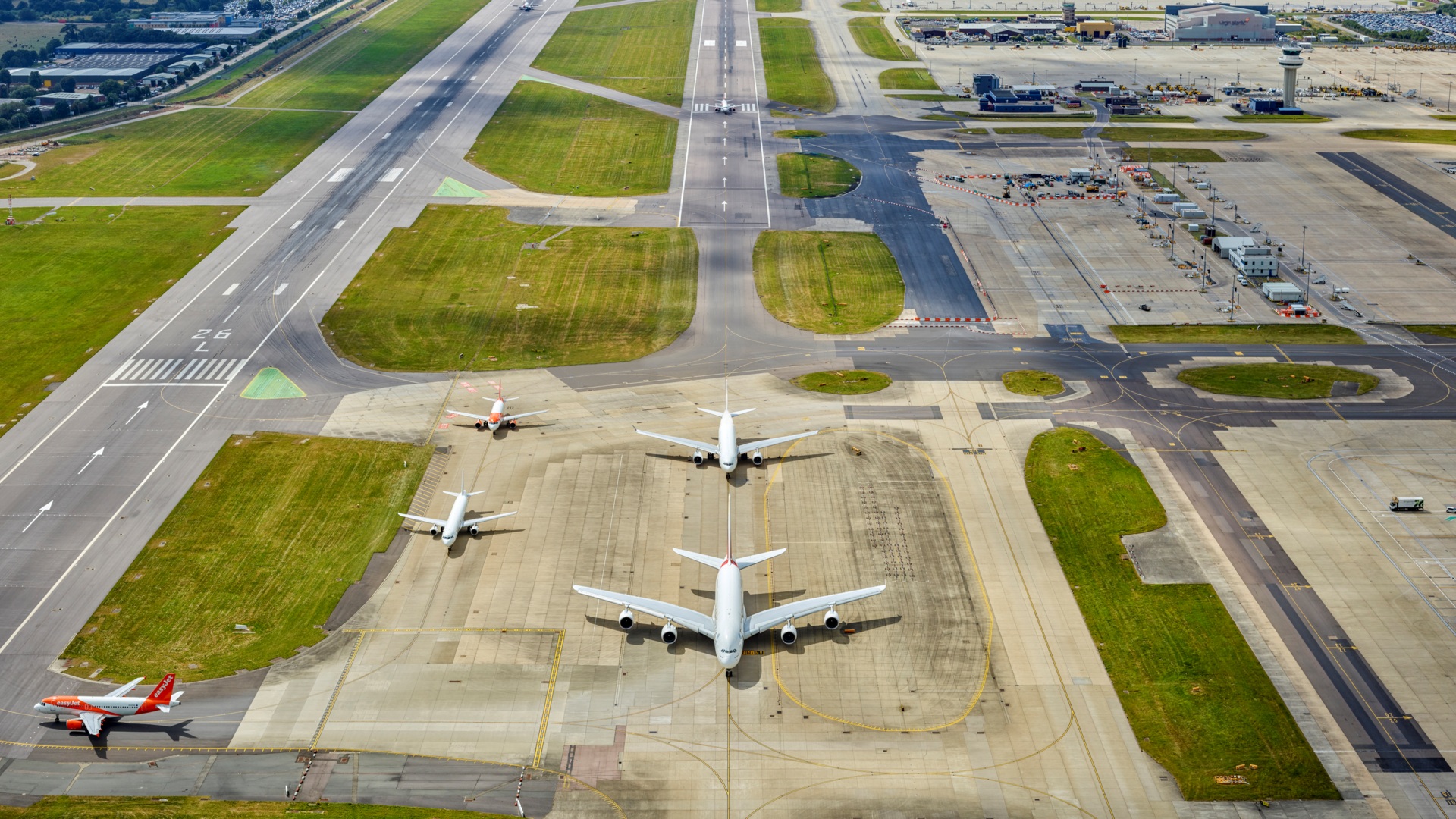
To support the shift in its operations, the airport is currently building a dual taxiway system to improve access from its runways to the terminal. The new taxiways will allow two Code E aircraft to pass each other which will improve the efficiency of the operation.

To prepare for the introduction of these new parallel taxiways, christened Echo and Delta, - in 2020, changes have been made to a number of the airfield designators. A team of around 30 from the airport and principal contractor Allied Infrastructure and sub-contractor ATG Airports worked through the night to install 50 new signs on five sections of taxiway, one runway holding position and 11 intermediate hold positions.
Additionally, several painted ground markings were altered, and changes were also made to the airfield lighting and other control software systems, aeronautical and operational charts, publications and databases.

As more facilities come online and further changes are made to the airfield, the new designators will make it easier for pilots and airside drivers to navigate around the airfield. The airport worked in consultation with NATS and the Manchester-based pilot community to develop the strategy for long-term airfield designators.
These changes are the first phase of re-designation. Further stages will take place as the outer taxiway network is developed between 2020 and 2024.
Manchester Airport is spending circa £110M on optimising its airfield. Work-to-date has included the creation of 11 new contact stands and three remote stands on Pier One of Terminal Two that opened in April 2019. In addition to these works, Manchester Airport are also investing in the latest technology such as ‘Airport Collaborative Decision Making’ (ACDM) and advanced ground radar systems. Collectively these investments will drive operational efficiency by reducing congestion and delays.
Next year will see the completion of the airfield’s western apron with 10 new remote aircraft stands and doubling the width of taxiway Zulu, which will become a ‘multi-choice’ taxiway. Using colour coded centrelines, a UK first, it will enable narrow bodied aircraft to push back onto different sides of the cul-de-sac at the same time and taxi past one another without delay.
A further six remote aircraft stands will be reconfigured and upgraded. The newly constructed section of taxiway Echo will also open, which will create a triple-parallel taxiway system running towards the runways.
Rad Taylor, Operations Director at Manchester Airport, said: “The re-designation of the taxiways is a major milestone for the works that are continuing out on the airfield. The changes will really benefit pilots and airfield drivers as more of the programme comes on stream.
“Lots of progress has been made out on the airfield in terms of new stands and taxiways and with more to come it will help improve the efficiency of the operation as our centre of gravity shifts towards Terminal Two.”
Work on the £1bn transformation programme continues at pace. The first passenger pier opened to passengers in April 2019 with the redeveloped terminal building set to open in Summer 2020.