Met cuts phone theft by 10,000 offences
Courtesy The Met
Over the last four weeks alone, officers made 248 arrests related to phone theft and seized about 770 stolen phones as part of intensified activity across London to identify and arrest suspects. A further 122 people were arrested for other offences as part of the wider operation.
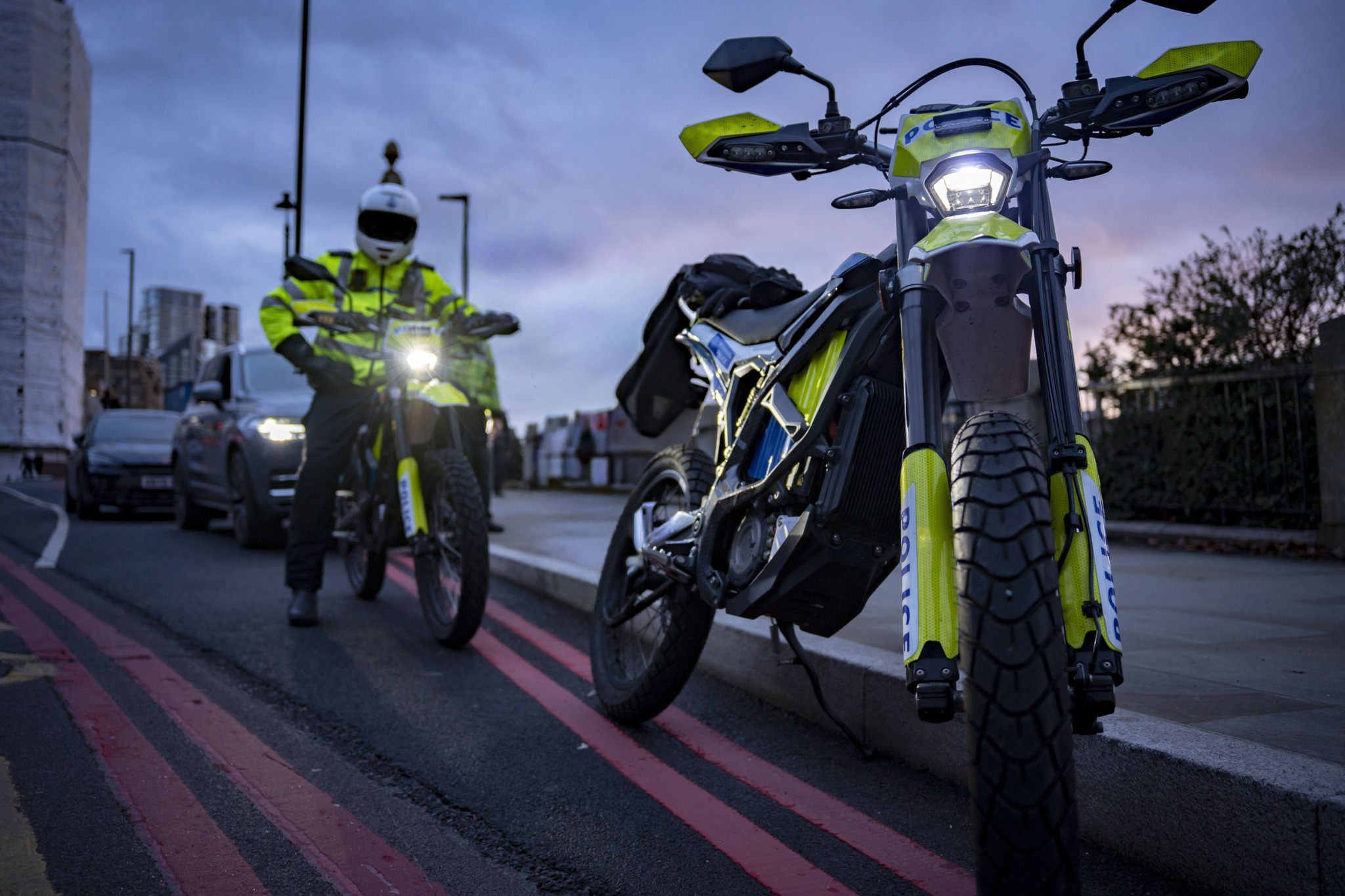
Local officers worked alongside specialist proactive teams, deploying cutting-edge technology, such as drones, Sur‑Ron e‑bikes (above) and live facial recognition, to catch offenders and significantly disrupt the stolen mobile phone market.

The focused activity builds on a year-long sustained crackdown on mobile phone theft – representing the most extensive series of operations of its kind ever undertaken by the Met.
As a result, mobile phone theft offences in London have fallen from 81,365 in 2024 to 71,391 last year – a drop of about 12.3%.
Commissioner Sir Mark Rowley said: “We are relentlessly cracking down on phone thieves and dismantling organised criminal networks at every level – from the pickpockets and phone snatchers operating on our streets, to the handlers who profit from their crimes, right through to the international networks exporting stolen phones overseas.
“Over the past year, we’ve made hundreds of arrests and recovered tens of thousands of stolen devices. That work has meant 10,000 fewer people facing the stress, cost and disruption that comes with having their phone stolen. It is this work that is making London an even safer city.
“But policing alone cannot solve this problem. Manufacturers and tech companies must do more to stop criminals being able to reset, reuse or resell stolen phones.
“We also need the courts to play their part by preventing repeat offenders being bailed only to go out and offend again, undermining the hard work officers are doing to keep communities safe.”
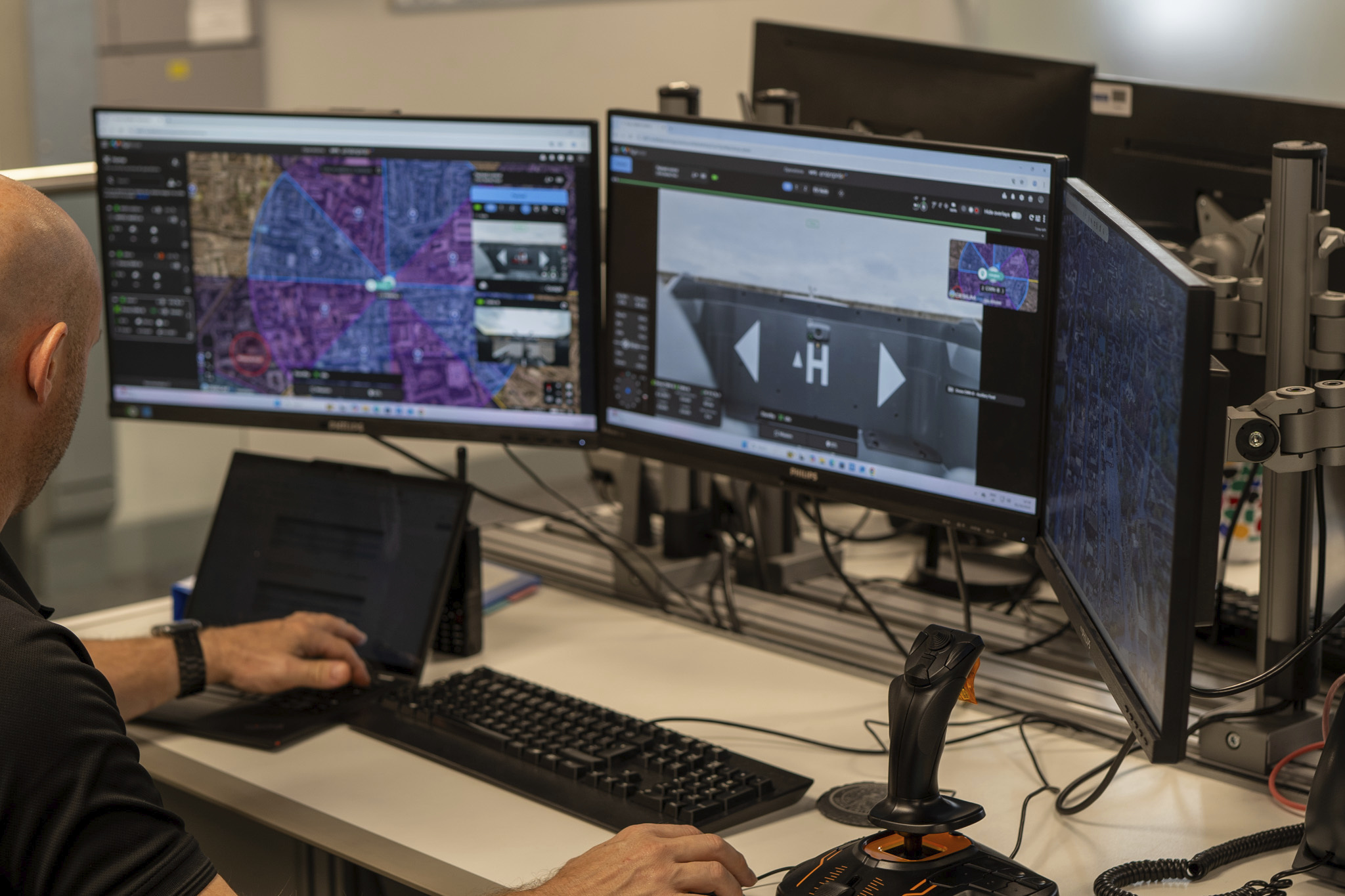
The Met carried out four weeks of focused activity to tackle mobile phone theft across London between Monday 19th January and Friday 16th February. This is on top of targeted precise activity over the past year.
In the West End, officers used pre-emptive tactics to identify suspects as they entered known hotspot locations to prevent offences. This involved close coordination between police ‘interceptors’, marked Sur-Ron e-bikes, the drone team and neighbourhood officers to target offenders.
Examples of the types of operations, arrests and pre-emptive tactics include:
- Thirty-two people were arrested during an operation targeting an organised criminal gang responsible for large-scale phone theft across London. The investigation identified children as young as 14 being paid up to hundreds of pounds to steal phones, with incentives advertised on social media platforms. During this operation, officers recovered more than 1,000 mobile phones, 200 laptops and other high-value electronics destined to be exported overseas by the organised criminal gang. So far, 20 people have been charged with further charges to follow.
- On Monday, 9th February, an off-duty officer arrested a prolific phone thief in the West End. Over the past couple of months, officers linked him to nearly 20 ‘table surfing’ offences. At the time of his arrest, the suspect was in possession of two stolen phones. Both devices were returned to their owners the same day. Officers found a further 39 stolen phones after searching the man’s home. Twenty-five of those devices have been reunited with their owners and efforts are ongoing to return the rest.
- On Wednesday, 28th January, officers spotted two pickpockets operating near Westminster Underground Station. Officers followed the men, aged 43 and 32, to Waterloo station, where both were detained. One of the suspects has an extensive history of mobile phone theft and was previously arrested after 300 mobile devices were recovered from a property linked to him.
Commander Andrew Featherstone, the Met’s lead for tackling phone theft, said: “We understand phone theft is a major concern for Londoners and that’s why our officers are relentlessly focused on tackling it head-on.
“Over the last four weeks, neighbourhood officers and specialist units have deployed cutting-edge technology – including drones, Sur-Ron e-bikes and live facial recognition – to identify and arrest suspects quickly.
“These tactics are delivering results. In hotspot areas such as the West End, theft is already down by 30 per cent since April last year.
“Londoners deserve to feel safe, and we will keep fighting back against the thieves and criminal gangs fueling this crime."
The Mayor of London, Sir Sadiq Khan, said: “Too many Londoners have been the victim of phone theft. Our new intensive action is putting us on the front foot when tackling phone thieves and dismantling the gangs behind the scourge of thefts here in London.
“Thanks to record funding from City Hall, the Met is investing in new state of the art technology to turbo-charge their efforts to bear down and be tough on mobile phone crime. New drones are supporting officers to capture evidence and improve intelligence gathering and new e-bikes are helping officers outpace and outmanoeuver criminals who use bicycles or electric motorbikes and scooters to commit phone thefts or evade police.
“But we know there is still more to do. Which is why as Mayor I’ll continue to prioritise neighbourhood policing and will continue to push the mobile phone industry to go much further in preventing stolen phones being used, sold and repurposed, building a safer London for everyone.”
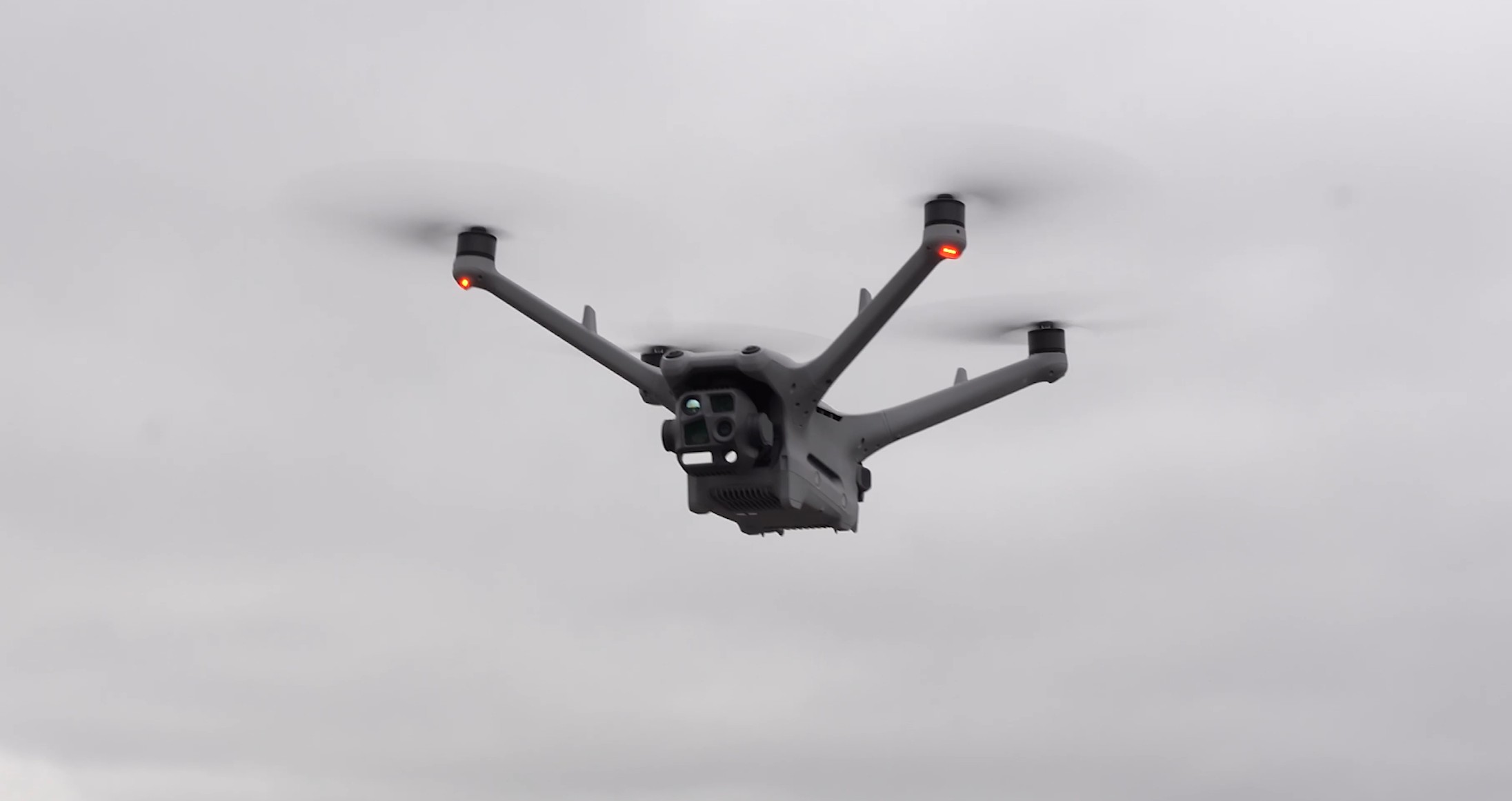
Background on technology and specialist teams used during the four-week operation:
- Drones: Stored in secure rooftop boxes at selected police buildings, drones are remotely deployed by the Met’s control room when needed. Once overhead, they provide live footage to a dedicated control room, supporting the police response and capturing evidence.
- Sur-Ron e-bikes: These electric motorcycles were chosen for their speed and agility, enabling officers to catch phone thieves using e‑bikes and e‑scooters. All riders are highly trained. The Met is expanding its fleet, with 20 additional Sur‑Rons due to arrive in the coming months.
- Interceptors: This specialist unit targets robberies and thefts involving cars, mopeds, Sur‑Rons and e‑bikes. Working alongside neighbourhood teams, they deliver proactive, intelligence‑led policing and are trained in advanced pursuit tactics.