Omnidea funded by SPRINT to develop CubeSats plasma thruster
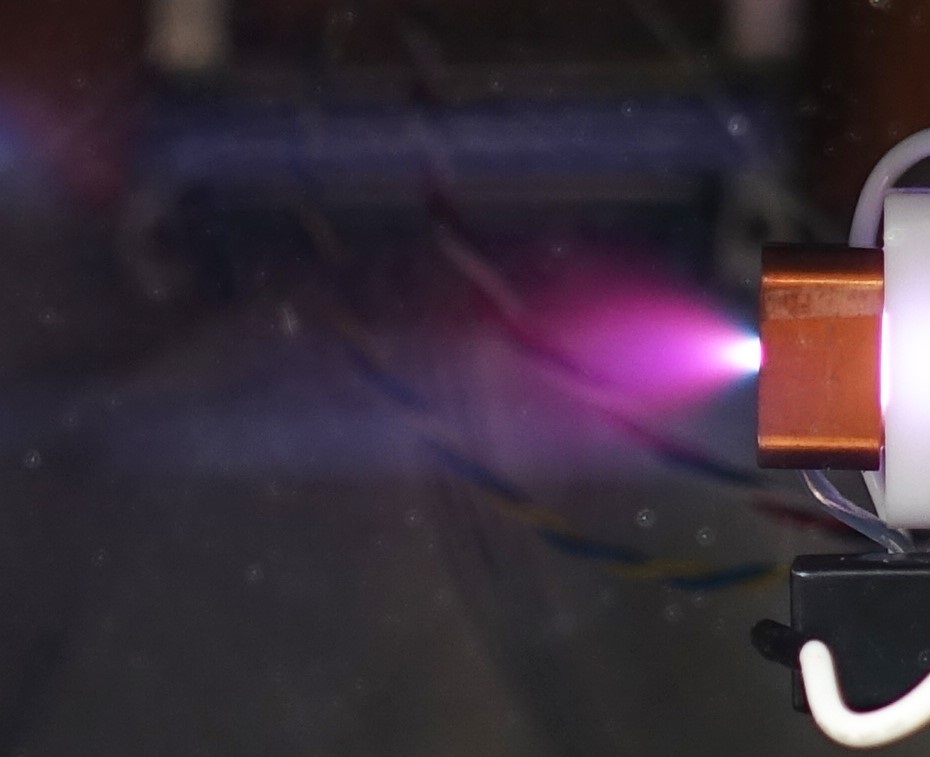
Image courtesy Omnidea
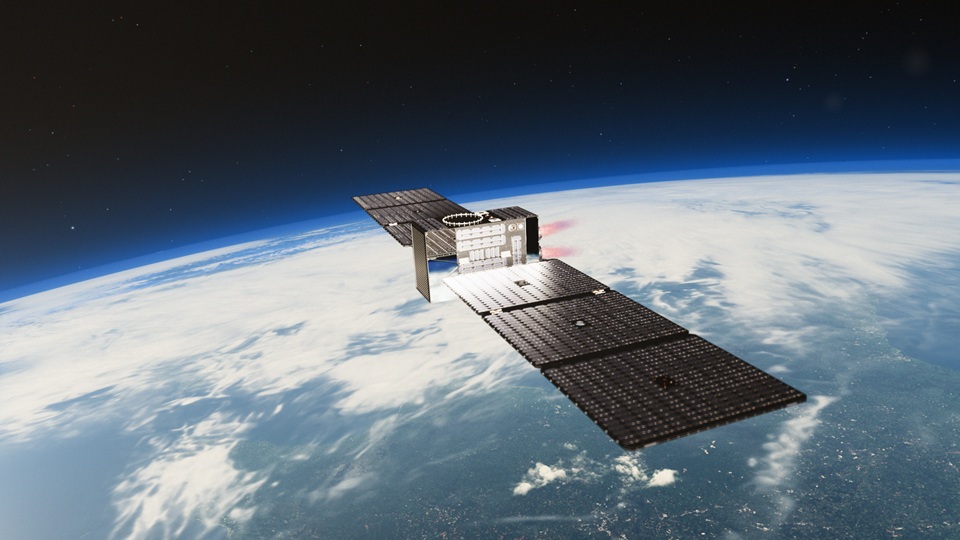
Supported by SPRINT, Omnidea Ltd will collaborate with the University of Leicester to develop a ground-breaking miniature solid fuel plasma-based electrical thruster for use on CubeSats.
The new thruster is a highly innovative electrical propulsion system for spacecraft applications and is the first system of its kind to generate plasma at thermonuclear temperatures and densities. It will be used for moving and positioning deployed space assets in vacuum and low-pressure environments, used on assets ranging from low Earth Orbit spacecraft (200-500km altitude) to deep space exploration systems. Omnidea Ltd is also planning to incorporate this technology into a new generation of rocket engines for use in Very Low Earth Orbit satellites, a relatively new market, still in its infancy.

The system works by generating a particular magnetic effect which results in a more tightly focused ion beam that gives higher performance when compared to traditional Pulse Plasma Thruster (PPT) systems. This results in higher specific impulse performance and higher energy efficiency operation.
The University of Leicester will bring its expertise in plasma physics, electronic circuit design and overall expertise in the space arena to this SPRINT project with Omnidea Ltd.
CubeSats equipped with these propulsion systems can also help with the mitigation and remediation of space debris - by avoiding collisions and removing themselves from orbit at end of life – thus enhancing mission performance.
This project with the University of Leicester will be funded by the £7.5 million SPRINT programme. SPRINT provides unprecedented access to university space expertise and facilities. SPRINT helps businesses through the commercial exploitation of space data and technologies.
Joe Wells, Omnidea Ltd UK Managing Director, said: “We are delighted to be collaborating with the University of Leicester and aim to maximise the innovation support it offers, whilst gaining access to key experts and the range of facilities at the University’s Space Research Centre.
“This research project will be extremely valuable in determining specifications for an in-orbit demonstrator and an equivalent breadboard demonstrator that will be built and tested in laboratory vacuum conditions.
“More significantly, we see this as an ideal opportunity to enter and exploit the small satellite market as an early player. This type of propulsion system has previously never been used in space applications. The technology combines the advantages of traditional PPT including simplicity, reliability, lower cost and low power consumption, with improved performance, including higher specific impulse, impulse bit and energy efficiency.”
Piyal Samara-Ratna, Space Park Leicester’s METEOR centre Principal Engineer added: "Omnidea’s electronic propulsion capability will revolutionise the way that small spacecraft are deployed in space.
“SPRINT has enabled us to collaborate with Omnidea on this innovative project, allowing us to enter the electronic propulsion sector, leverage our core research skills and knowledge, and apply this to space systems. SPRINT will help to develop an initial proof of concept and accelerate this development into a commercially viable system.”