

Prime Minister considers delaying decision on UK defence spending, according to reports


Prime Minister Andy Burnham is reportedly considering delaying a decision on how and when the UK will increase defence spending, potentially pushing back a key Spending Review from Spring to Autumn 2027.
The reported move, which was first highlighted by The Times on 6 October and subsequently reported by The Telegraph and Reuters, would delay Westminster’s plans to set out a pathway towards spending 3% of GDP on defence. The UK has committed to reaching 3.5% on core defence spending by 2035, in line with the wider defence investment pledge that was agreed by NATO allies at the 2025 Hague Summit.
According to The Times, the current “working assumption” among officials is that the next Spending Review for defence could take place in October 2027 rather than in the Spring of that year, as was previously planned.
Such a timetable would allow the government to align the review with a budget and potentially provide more time to assess its economic position and identify additional funding for increased defence spending.
Commenting on the proposed move in a written response to Reuters, a spokesperson for the Treasury rejected the suggestion that a delay has been agreed, saying the date of the next Spending Review had not yet been set and describing reports of a postponement as “pure rumour and speculation.”
UK defence funding faces fresh uncertainty amid reports of new delay
The timing of this decision is significant for the UK defence sector. Published in June 2026, the UK government’s Defence Investment Plan (DIP) commits £298bn to defence over the next four years and is intended to implement the priorities established by the 2025 Strategic Defence Review (SDR).
However, Reuters reported that the government still faces a £4.7bn funding gap associated with the existing investment plan, while reaching the interim 3% target would require substantially more funding. Having previously served as Defence Secretary, Chancellor John Healey MP is due to deliver his first Budget in the role on 28 October.
Any delay in setting out the longer-term spending trajectory could therefore leave defence companies waiting for greater clarity over the scale and timing of the UK’s future defence procurement plans.
Industry waits for clarity on UK defence spending
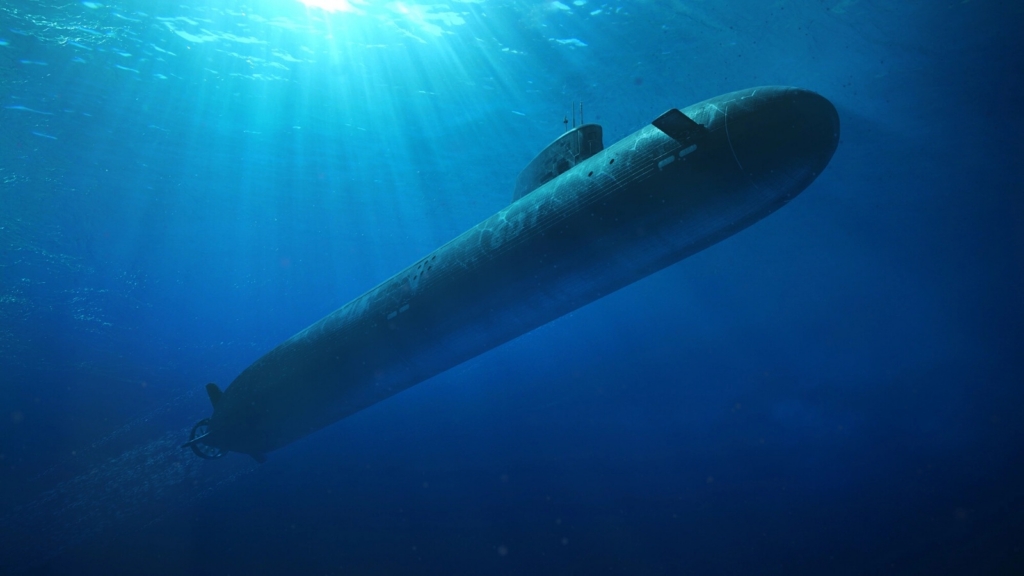
For UK-based defence firms, the central issue will be whether the government can provide a credible long-term funding trajectory while maintaining momentum on programmes that have already been announced, such as the UK-led Global Combat Air Programme (GCAP) and the development of the SSN-AUKUS nuclear-powered attack submarines in partnership with Australia and the US.
The 2026 DIP has been presented as a means of strengthening both military readiness and the domestic defence industrial base. Any further delay to decisions on defence spending could therefore be closely watched across the supply chain, particularly by firms investing in manufacturing capacity, specialised skills and technology on the expectation of sustained procurement demand.
With the Budget due later this month, the defence industry will be looking for indications of whether the UK government intends to maintain that momentum while resolving the wider question of how it will fund the UK’s longer-term defence procurement ambitions.
What will the UK’s next tranche of defence spending focus on?
In the next three years, UK defence spending is expected to focus heavily on capabilities that have already been identified as priorities rather than entirely new programmes and initiatives.
Munitions and weapons procurement will likely be a major area of investment. The 2026 DIP allocated £11.1bn to increase the UK’s weapon stockpiles, expand domestic munition production and refresh capabilities through the procurement of new long-range strike weapons, low-cost cruise missiles and one-way effectors (OWEs). The UK also plans to create at least six new energetics factories by 2030.
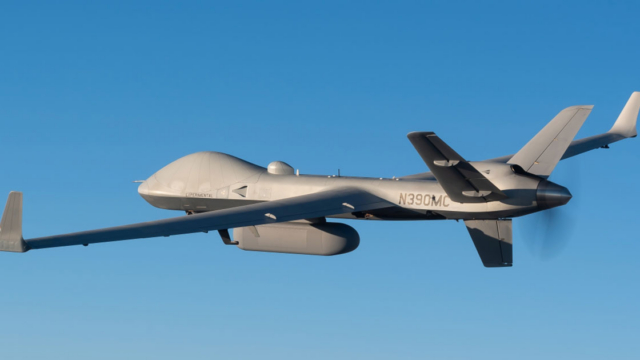
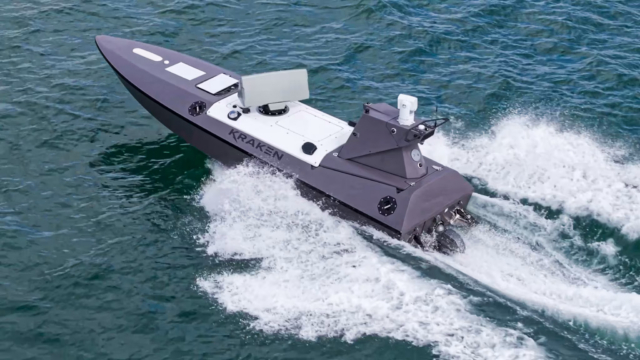
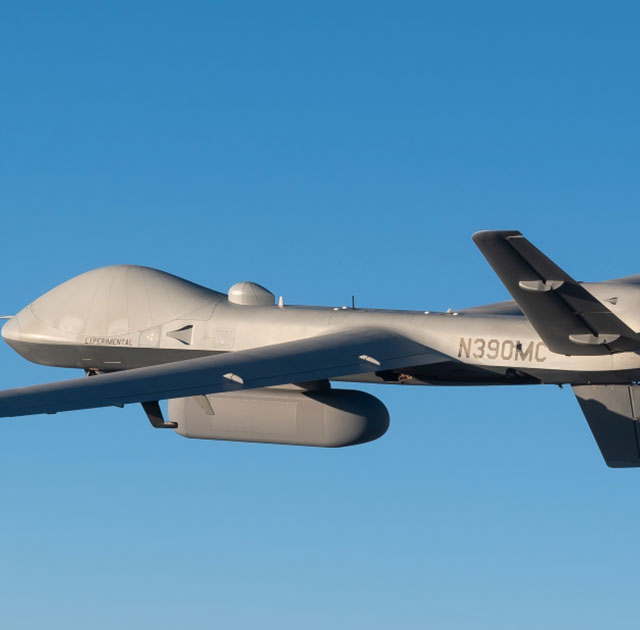
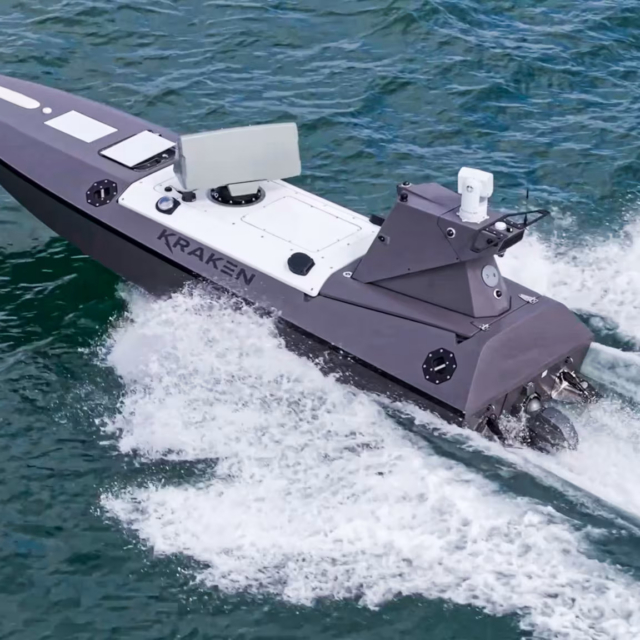
Uncrewed systems are another key priority, with more than £5bn allocated to the transformation of the UK’s military drone capabilities. This would cover the purchase of new strike and surveillance drones, uncrewed ground vehicles (UGVs) and Collaborative Combat Aircraft (CCAs), as well as funding for the Royal Navy’s new ‘Hybrid Navy’ concept, which aims to field a mixed fleet of crewed and autonomous platforms.
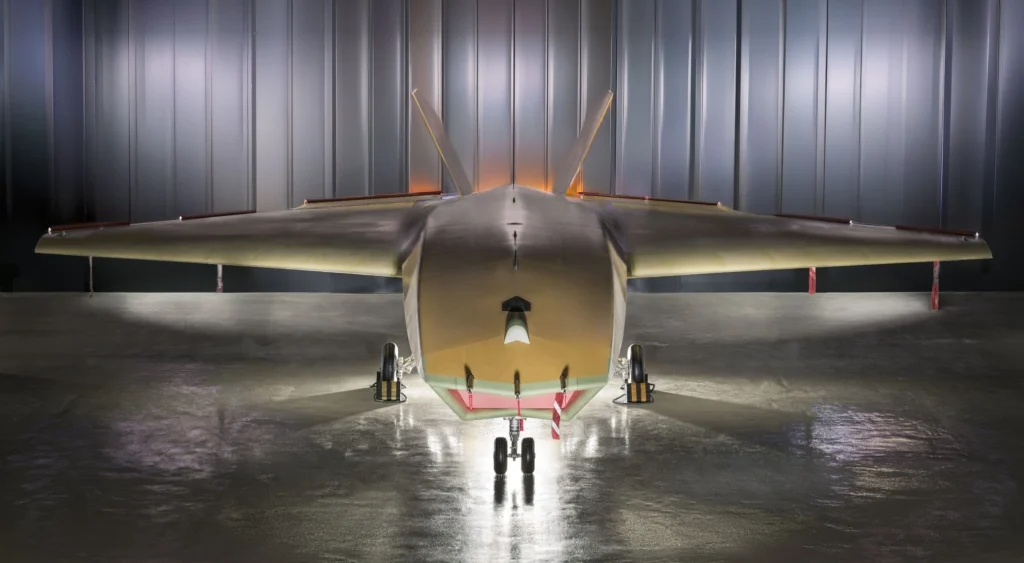
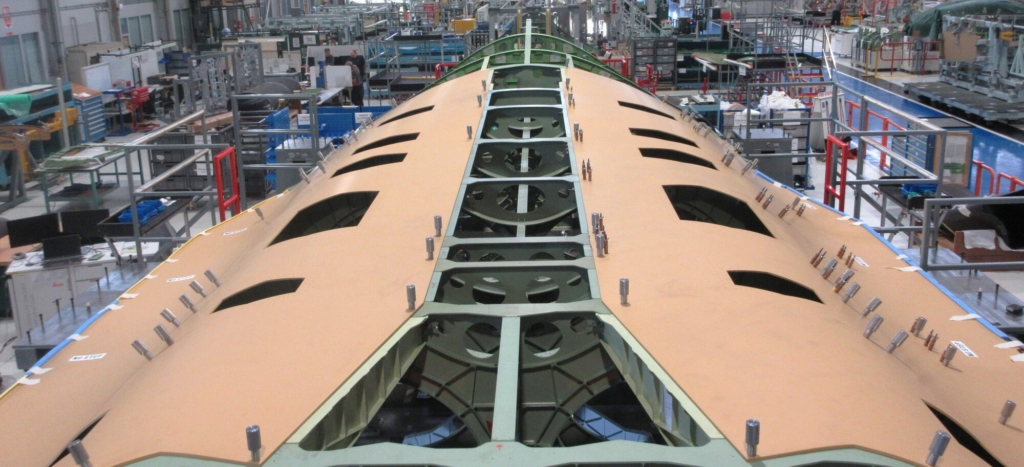
Investment into the UK’s future Combat Air capabilities will also continue, with £8.6bn having been set aside for the GCAP programme alongside Italy and Japan. The first full-scale GCAP demonstrator, known as the Combat Air Flying Demonstrator (CAFD), is slated to complete its maiden flight in 2027. Meanwhile, the 2026 DIP specifically allocated £300m to launch a dedicated UK CCA project.
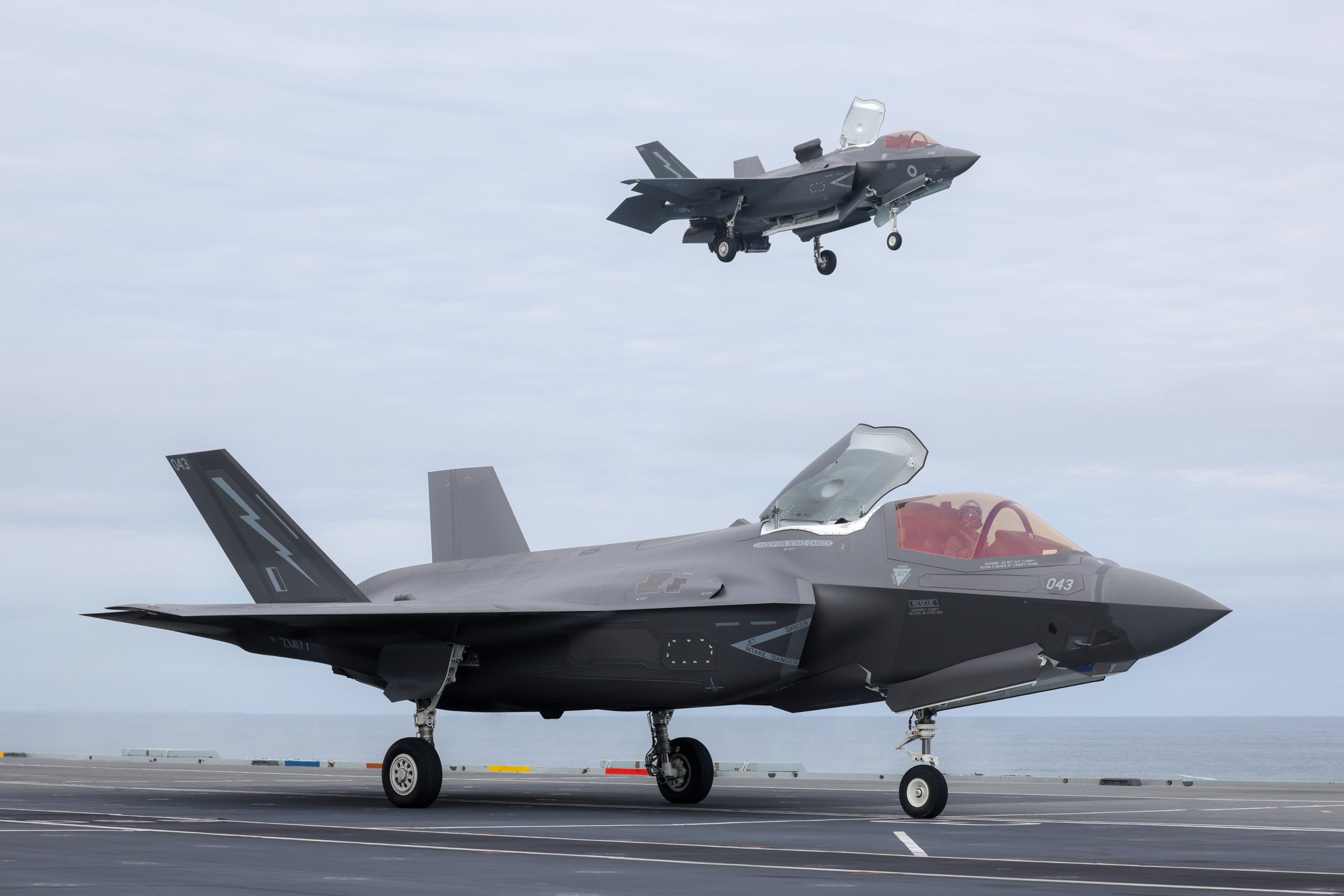
The UK also intends to purchase a second tranche of 27 F-35 Lightning IIs in the coming years. This follow-on order would comprise 15 additional short take-off and vertical landing (STOVL)-configured F-35Bs, along with 12 conventional take-off and landing (CTOL)-standard F-35As. The F-35A acquisition will enable the UK to join NATO’s airborne nuclear attack mission and also better support day-to-day training operations.
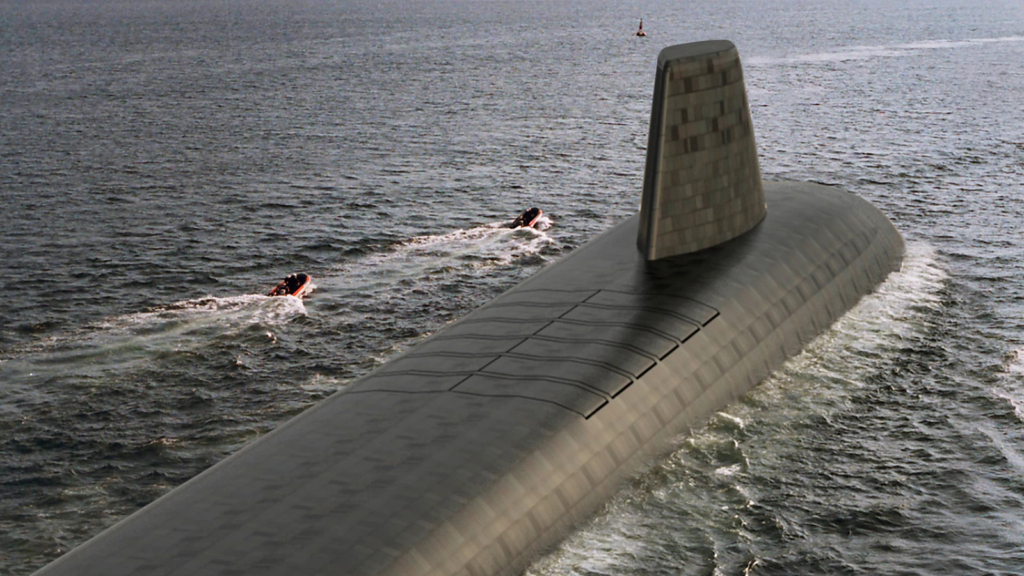
Alongside these programmes, near-term defence investment is expected to fund greater air and missile defence, digital targeting systems, new space-based capabilities and the UK’s enduring submarine-based nuclear deterrent through the ongoing development of the Royal Navy’s future Dreadnought-class ballistic missile submarines and the SSN-AUKUS fleet.
Sign up for our newsletter and get our latest content in your inbox.
Similar Reads



Sign up for our newsletter. Select all sectors relevant to you.
Related